How Do Art Collectors Handle Long-Distance Moves in 2026?
Key Takeaways
- •Use acid‑free paper, bubble wrap, and custom crates for each piece
- •Maintain 65‑75 °F and 40‑55 % RH with climate‑controlled trucks
- •Secure all‑risk fine‑art insurance; standard carrier coverage is insufficient
- •Document condition with photos and appraisals; wait 48 hrs before unpacking
Pulse Analysis
The United States has seen a surge in high‑net‑worth individuals relocating to secondary homes, prompting a niche market for art‑focused moving services. Traditional movers lack the expertise to address the delicate balance of temperature, humidity, and vibration that fine art requires. Specialized firms now offer climate‑controlled trucks, real‑time environmental monitoring, and custom‑fabricated crates, turning a potentially hazardous journey into a controlled logistics operation that protects both monetary and cultural assets.
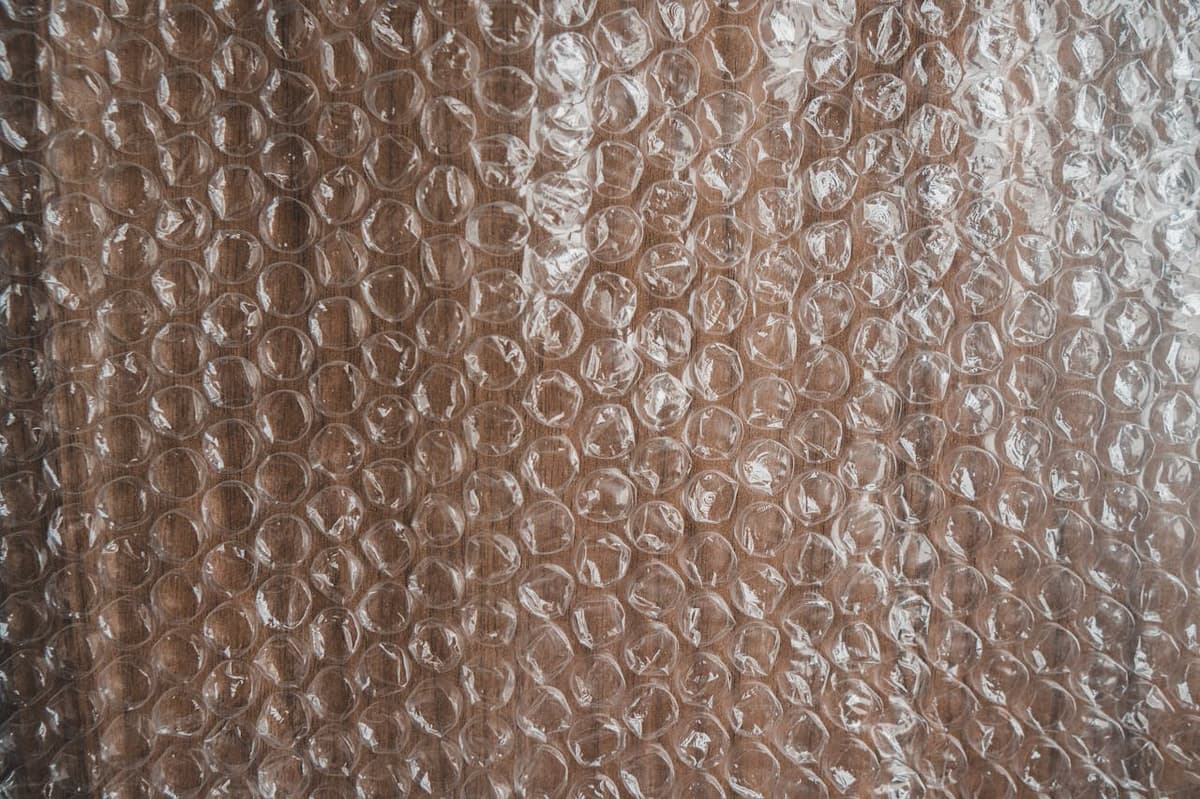
Technical safeguards form the backbone of a successful art move. Packing protocols start with acid‑free glassine and X‑tape on glass surfaces, followed by bubble‑wrap layers that keep pressure off the paint film. Crates lined with foam and fitted to each object's dimensions prevent shifting during transit. Insurance is equally critical; all‑risk fine‑art policies cover damage, theft, and restoration, whereas standard carrier liability often values items by weight, leaving high‑value pieces under‑insured. Collectors should secure up‑to‑date appraisals and comprehensive photographic documentation to streamline any claim process.
After arrival, the work isn’t finished. A 48‑hour acclimation period allows artworks to adjust to new temperature and humidity levels, reducing condensation risk. Professionals recommend photographing each piece again to record its post‑move condition and planning wall placement to avoid direct sunlight, which accelerates pigment fading. Emerging technologies such as IoT sensors embedded in crates provide continuous data on environmental conditions, offering insurers and owners real‑time assurance. As the art‑moving sector matures, these best‑practice standards will likely become industry norms, safeguarding cultural heritage during America’s increasingly mobile lifestyle.
How Do Art Collectors Handle Long-Distance Moves in 2026?
Comments
Want to join the conversation?