Key Takeaways
- •Exhibition pairs Payne's modern sketches with Wood's historic drawings.
- •Themes explore feminine eroticism and critique masculine authority.
- •Dedicated to Grace Payne, centenarian who died Dec 2025.
- •Works span 1977‑2026, mixing paper, plaster, brass.
- •Andrew Kreps Gallery supports transatlantic artistic collaboration.
Summary
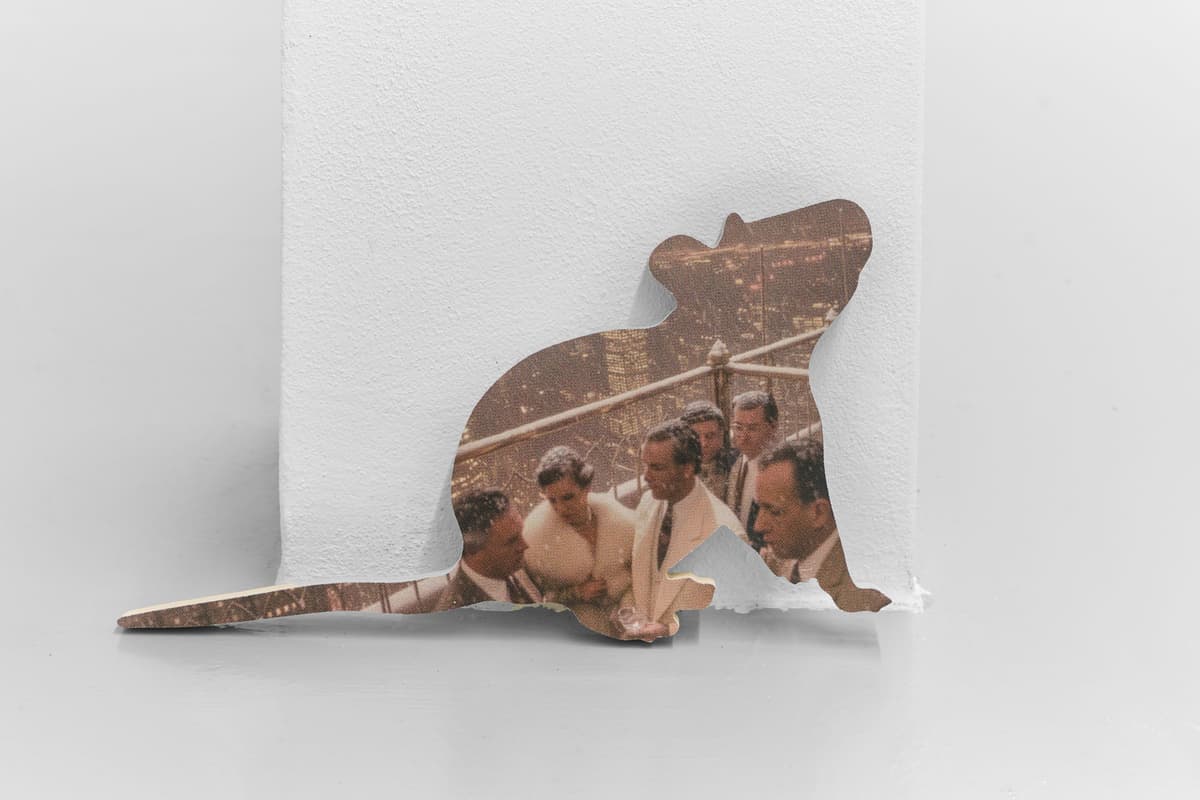
The Triangulo gallery in Cremona opened "He Does Not Have a Chance," a joint exhibition of I.W. Payne and Beatrice Wood. Featuring over a dozen works ranging from 1977 to 2026, the show juxtaposes Payne’s coloured‑pencil drawings and sculptural installations with Wood’s early 20th‑century graphite pieces. The curatorial narrative highlights a mischievous, feminist perspective that celebrates erotic freedom while confronting masculine domination. The exhibition is dedicated to Grace Payne, the artist’s 101‑year‑old grandmother who passed away in December 2025, and acknowledges support from New York’s Andrew Kreps Gallery.
Pulse Analysis
Triangulo’s "He Does Not Have a Chance" brings together two distinct artistic voices—Italy’s emerging drafter I.W. Payne and American Dada pioneer Beatrice Wood—creating a rare cross‑generational conversation. Payne’s recent coloured‑pencil studies and mixed‑media sculptures sit alongside Wood’s graphite drawings from the 1970s and 1980s, offering visitors a visual timeline that bridges post‑war avant‑garde sensibilities with contemporary feminist experimentation. The exhibition’s dedication to Grace Payne, who lived to 101, adds a personal narrative that underscores the longevity of artistic influence across families and borders.
The curatorial thread weaves humor, eroticism, and a pointed critique of patriarchal structures. Works such as Payne’s "Widows" and the sculptural "Bohemian" echo the domestic intimacy of Morisot’s "The Cradle" while subverting traditional gender roles through exaggerated line work and provocative materials. Wood’s titular piece, "He Does Not Have a Chance," functions as both a visual anchor and a thematic manifesto, reinforcing the exhibition’s exploration of female agency, desire, and resistance within a historically male‑dominated art world.
Beyond its aesthetic impact, the show signals a broader market shift toward collaborative retrospectives that revive overlooked modernist figures while championing new talent. Backed by New York’s Andrew Kreps Gallery, the exhibition attracts collectors interested in provenance‑rich works that blend historical significance with contemporary relevance. Its success may inspire further transatlantic partnerships, positioning Cremona as a hub for innovative curatorial projects that challenge conventions and expand the commercial appeal of feminist art narratives.
Comments
Want to join the conversation?