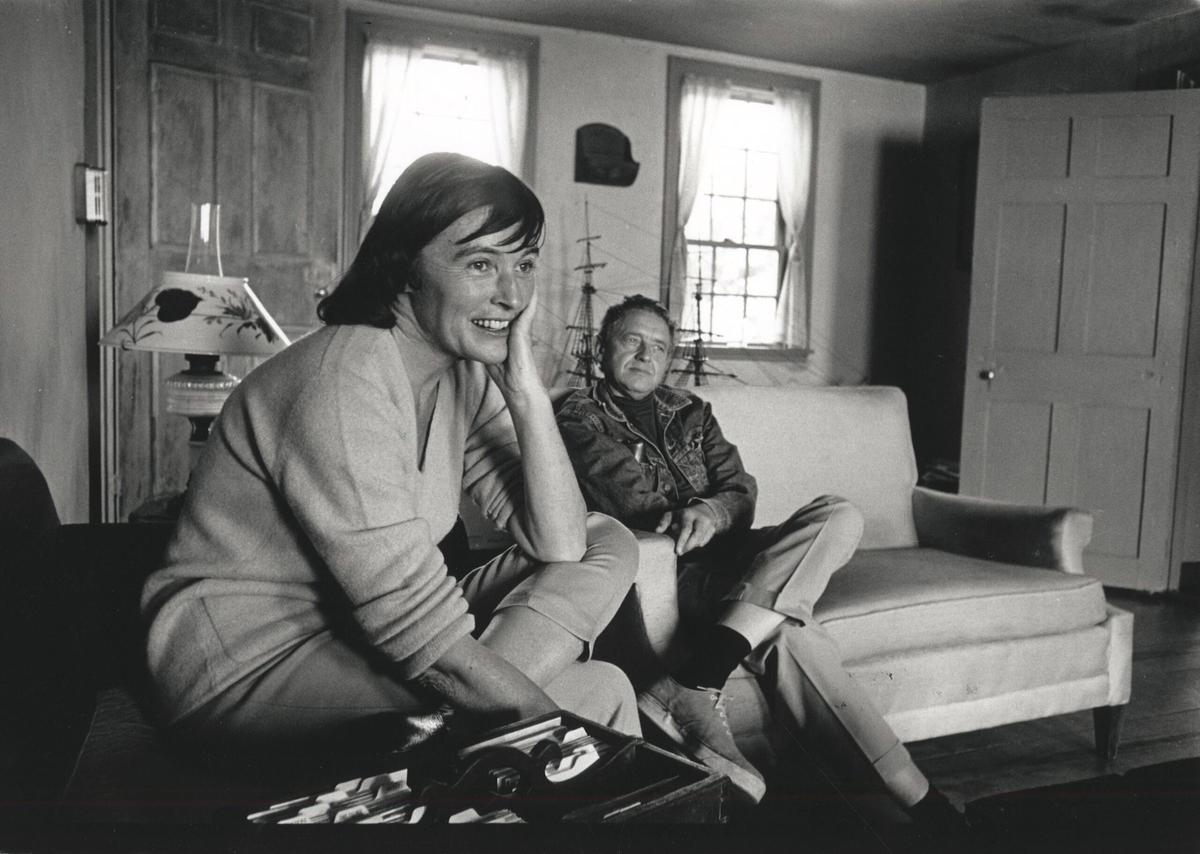
Multi-Museum Exhibition Spotlights Legacy of Betsy James Wyeth
Key Takeaways
- •First exhibition fully exploring Betsy Wyeth’s design legacy.
- •Highlights adaptive reuse of historic mills and island properties.
- •Features contemporary artists responding to Wyeth’s built environments.
- •Travels to Maine and Pennsylvania, running through 2027.
Pulse Analysis
Betsy James Wyeth has long lingered in the shadow of her husband, Andrew Wyeth, despite her pioneering work in immersive spatial design. As a self‑taught architect of interiors, historic mills, and island retreats, she applied adaptive‑reuse principles decades before the term entered mainstream preservation discourse. Her environments—most famously the Olson House that frames "Christina’s World"—provided more than backdrop; they acted as active collaborators, shaping light, texture, and narrative in Andrew’s oeuvre. Recognizing her contributions reframes the Wyeth legacy as a partnership of visual and spatial storytelling.
The traveling exhibition, "By Design: The Worlds of Betsy James Wyeth," unites three regional museums to dissect distinct threads of her practice. Farnsworth Art Museum concentrates on Maine‑based built environments, showcasing original floor plans and restored mill structures. Colby College Museum of Art commissions contemporary artists such as Mandy Lamb and Linda Nguyen Lopez to reinterpret the Allen and Benner Islands, bridging historic context with present‑day ecological concerns. Brandywine Museum of Art anchors the show in Pennsylvania, spotlighting Brinton’s Mill and the collaborative dynamic between Betsy and Andrew through rarely seen Wyeth Foundation holdings. This curatorial strategy not only diversifies the visitor experience but also creates a dialogue between historic preservation and contemporary creation.
Beyond celebrating an individual, the exhibition signals a broader shift in museum narratives toward inclusive, interdisciplinary storytelling. By treating design as an equal partner to painting, institutions encourage audiences to consider how space influences artistic production. The emphasis on adaptive reuse also aligns with sustainability trends, positioning historic structures as living assets rather than static relics. As scholars and curators absorb this model, future exhibitions may increasingly integrate architecture, design, and visual art, enriching cultural discourse and expanding the market for heritage‑focused programming.
Multi-Museum Exhibition Spotlights Legacy of Betsy James Wyeth
Comments
Want to join the conversation?