Key Takeaways
- •Georg Baselitz, 88, dies, leaving a cross‑disciplinary legacy
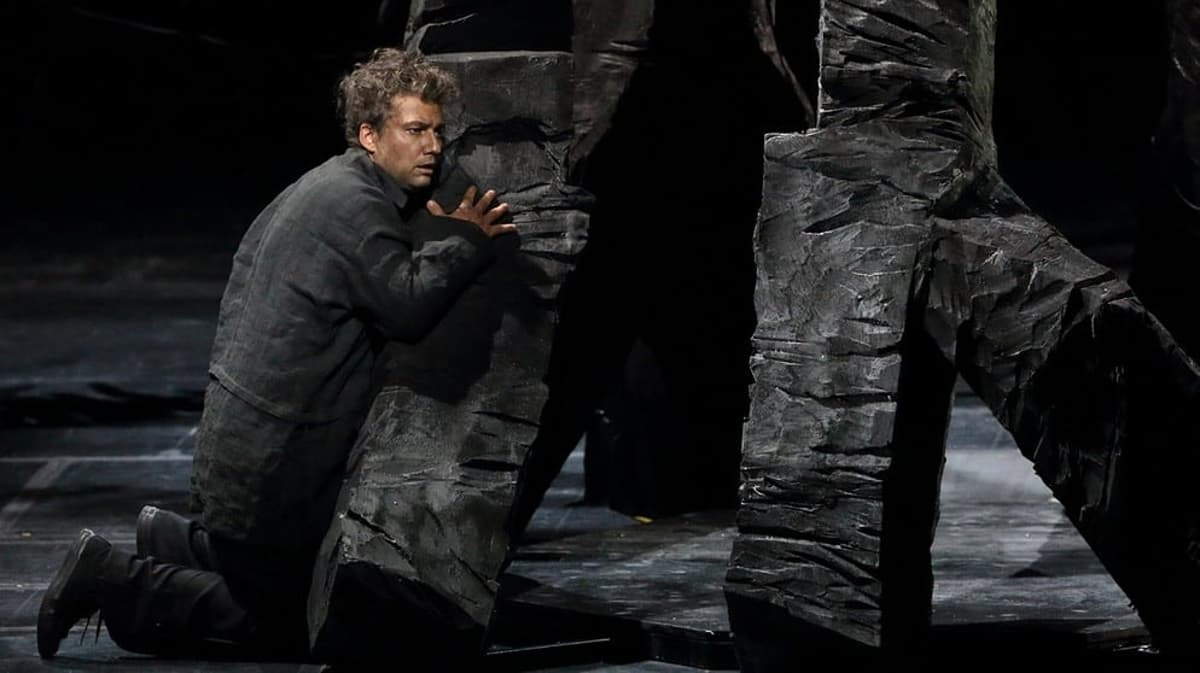
- •Designed sets for *Punch and Judy* (1993) and *Parsifal* (2018)
- •Collaborations with director Pierre Audi highlighted his stage vision
- •His designs linked contemporary art with traditional opera repertoire
Pulse Analysis
Georg Baselitz’s passing marks the loss of one of Germany’s most influential post‑modern artists, whose oeuvre spans painting, sculpture, and, notably, opera stage design. Known for his raw, expressive brushwork and a willingness to confront tradition, Baselitz brought the same confrontational aesthetic to the theatre. His partnership with director Pierre Audi produced a visual language that resonated beyond the canvas, positioning him as a bridge between the fine‑art world and the performing arts.
The two operatic productions that feature Baselitz’s designs illustrate how visual art can redefine classic works. In 1993, his bleak, abstract set for Harrison Birtwistle’s *Punch and Judy* at the Netherlands Opera challenged audiences with stark, sculptural forms that amplified the opera’s modernist themes. Two decades later, his reinterpretation of Wagner’s *Parsifal* at the Bavarian State Opera merged monumental, tree‑like structures with the mythic narrative, creating a visual tableau that drew both opera aficionados and contemporary‑art enthusiasts. These collaborations demonstrated that bold, artist‑driven stagecraft can revitalize canonical repertoire and attract new demographics.
For opera houses, Baselitz’s legacy signals a strategic opportunity: integrating high‑profile visual artists into productions can enhance brand prestige, boost ticket sales, and generate ancillary revenue through exhibitions and merchandise. As cultural institutions compete for dwindling audiences, the fusion of avant‑garde art with traditional performance offers a compelling differentiator. Preserving Baselitz’s set designs—through digital archives or touring installations—could become a revenue stream and a means to keep his innovative spirit alive for future generations of opera lovers and art patrons alike.
Opera mourns a monumental German artist
Comments
Want to join the conversation?