Key Takeaways
- •Five international artists explore memory, migration, and form through visual rhythm.
- •Exhibition links New Orleans and London cultural histories via R&B-inspired narratives.
- •Lucille Lewin’s porcelain sculptures embody rupture and repair, echoing musical crescendo.
- •Alia Ali’s work bridges Yemeni heritage with global Indigenous collaborations.
- •Show highlights abstract painting’s dialogue with spirituality, nature, and architecture.
Pulse Analysis
Rhythm in the Blues arrives at London’s 14 Percy Street at a moment when cultural institutions are seeking fresh narratives that bridge continents. Co‑curated by Pamela Bryan, whose Octavia Art Gallery roots itself in New Orleans’ vibrant music scene, and London‑based Julia Campbell Carter, the exhibition leverages the historic dialogue between two cities shaped by migration and rhythm. By framing visual art through the lens of R&B—a genre born from resilience and cross‑cultural exchange—the show offers a compelling entry point for collectors and audiences attuned to stories of movement and adaptation.
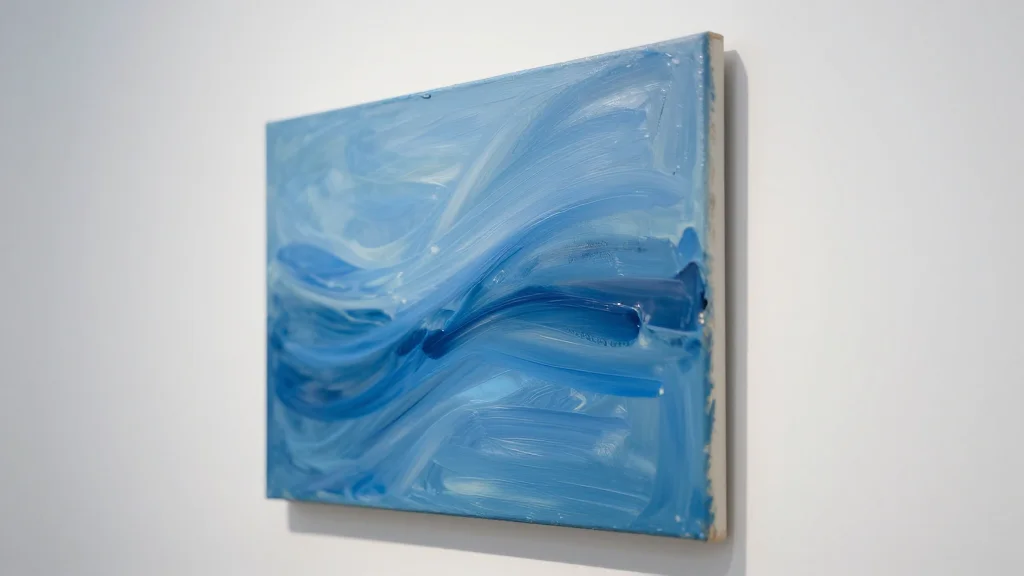
The roster of five artists underscores the exhibition’s thematic breadth. Alia Ali draws on Yemeni heritage and Indigenous collaborations to interrogate language as material, while Aigana Gali channels Eurasian steppe cosmologies into luminous abstracts. Azadeh Ghotbi’s gestural canvases and Naomie Kremer’s jagged oil forms explore perception, belonging, and the tension between order and disruption. Lucille Lewin’s porcelain sculptures, fractured and reassembled, embody a physical crescendo that mirrors musical dynamics. Across mediums—painting, photography, textiles, sculpture—the works translate rhythm into color, texture, and form, inviting viewers to hear visual beats and contemplate collective memory.
From a market perspective, Rhythm in the Blues exemplifies the growing demand for exhibitions that fuse artistic practice with sociopolitical relevance. The show’s cross‑regional narrative appeals to both European and North American collectors, while its emphasis on migration resonates with institutions prioritizing diversity and inclusion. As galleries continue to program experiences that echo global cultural flows, exhibitions like this not only enrich the public discourse but also reinforce the commercial viability of artists who navigate identity through a universal language of rhythm.
Rhythm in the Blues
Comments
Want to join the conversation?