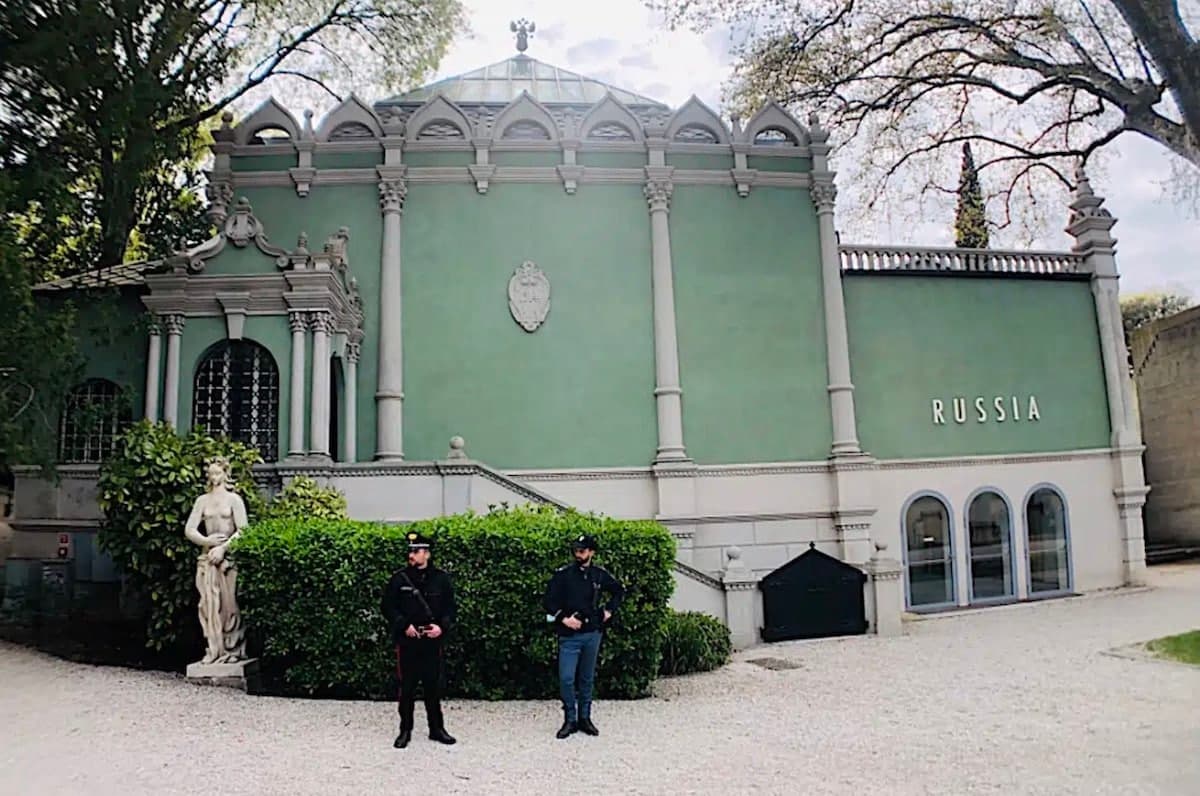
Russia’s Venice Biennale Pavilion Will Be Closed To The Public
Key Takeaways
- •Russia pavilion open only 4 days, then closed for months
- •Italian culture minister boycotts Biennale over Russia's participation
- •EU threatens to pull Biennale funding if sanctions are breached
- •Jury excludes countries with ICC war‑crime charges from Golden Lion
- •Screens replace live exhibition, highlighting institutional compromise
Pulse Analysis
The Venice Biennale, long‑standing showcase of contemporary art, has been thrust into a geopolitical spotlight as Russia re‑enters the Giardini after a two‑year hiatus. Since the 2022 invasion of Ukraine, Russian artists withdrew in protest, turning the pavilion’s absence into a moral statement. This year, the Biennale Foundation approved a Russian exhibition titled "The Tree is Rooted in the Sky," but the compromise limits public exposure to a four‑day preview, after which the space will be sealed and viewed only via screens. The move reflects a delicate negotiation between cultural openness and the reality of sanctions that have reshaped European arts funding.
Italian Culture Minister Alessandro Giuli’s decision to skip both the preview and opening ceremony signals a rare governmental rebuke of the Biennale’s governance. Coupled with the European Commission’s warning that it could withhold its multi‑million‑euro contribution, the episode highlights how cultural institutions are increasingly vulnerable to political leverage. The awards jury’s recent statement—excluding any nation whose leaders face International Criminal Court charges from the Golden Lion—adds another layer of pressure, effectively sidelining Russia without an outright ban. These actions illustrate a broader trend: art festivals must now navigate a complex web of diplomatic, legal, and ethical considerations.
Beyond the immediate fallout, the Biennale’s handling of the Russian pavilion raises questions about the future of transnational cultural exchange. While the foundation argues its actions comply with national and international law, critics argue the compromise undermines artistic integrity and public trust. If EU funding is withdrawn, the Biennale could face a financial shortfall that jeopardizes future editions, prompting other institutions to reassess their own sanction‑compliance protocols. Ultimately, the episode serves as a cautionary tale: cultural diplomacy cannot be insulated from geopolitics, and the balance between artistic freedom and political responsibility will shape the next generation of global art events.
Russia’s Venice Biennale Pavilion Will Be Closed To The Public
Comments
Want to join the conversation?