Key Takeaways
- •Paintings blend ritual motifs with drug‑induced imagery
- •Collaboration with Rosa Joly expands studio into exhibition venue
- •References span Goya, Bonnard, Jack Smith, and Derrida
- •Figures embody hormonal and toxic exchanges, suggesting societal anxieties
- •Shows Berlin’s influence on avant‑garde curatorial models
Pulse Analysis
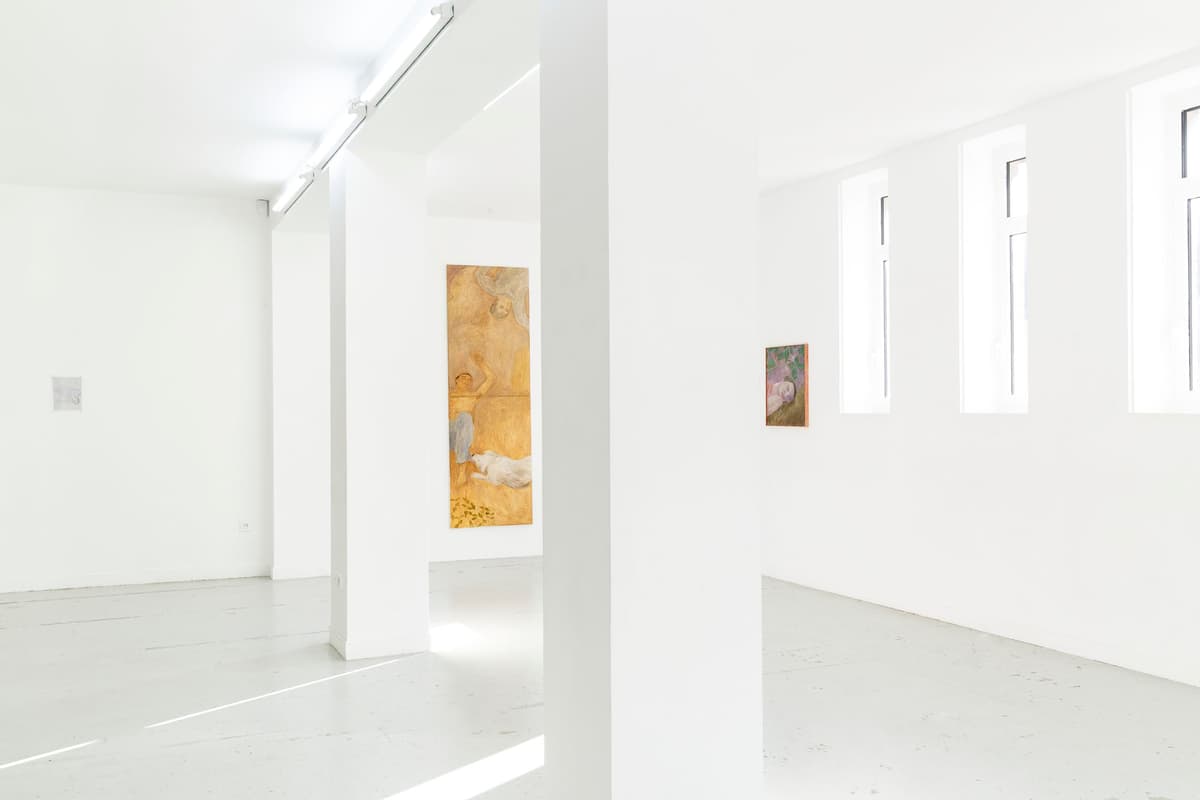
Sebastian Wiegold’s latest body of work, titled "Mauvais foins," continues his exploration of the human condition through the lens of altered consciousness. By layering references to classic painters like Bonnard and Goya with contemporary philosophical texts, Wiegold creates a visual dialect that speaks to both art historians and cultural theorists. The paintings’ muted palette and fluid brushstrokes evoke a sense of suspended time, mirroring the physiological effects of sedatives and psychedelics that the figures appear to experience. This synthesis of historical allusion and modern psychopharmacology positions the exhibition at the intersection of art and science, a space increasingly coveted by collectors seeking intellectually layered pieces.
The curatorial strategy behind the show further amplifies its impact. Transforming his Berlin studio into a public exhibition space, Wiegold partners with filmmaker‑sculptor Rosa Joly to blur the boundaries between creation and presentation. Adjacent works by Calla Henkel and Max Pitegoff provide a counterpoint, reinforcing the theme of communal intoxication while highlighting divergent artistic responses to similar subject matter. This collaborative model reflects a broader shift in the art world toward flexible, interdisciplinary venues that can adapt quickly to evolving cultural conversations.
From a market perspective, "Mauvais foins" taps into a growing appetite for art that interrogates mental health, substance use, and the politics of the body. Galleries and institutions are increasingly programming shows that address these topics, recognizing their relevance to younger, socially conscious collectors. Wiegold’s ability to translate complex philosophical ideas into accessible visual narratives not only enhances his critical standing but also positions his work as a compelling investment in the evolving narrative of contemporary art.
Sebatian Wiegand at Les Bains-Douches, Alençon
Comments
Want to join the conversation?