Key Takeaways
- •Bulgaria pavilion uses interactive film games to explore future scenarios.
- •Canada’s Abbas Akhavan hides details, prompting viewers to question history.
- •Catalonia’s “Paper Tears” links 15th‑century watermarks to modern institutions.
- •Lithuania’s 16 mm film blends animism and anarchy to challenge patriarchy.
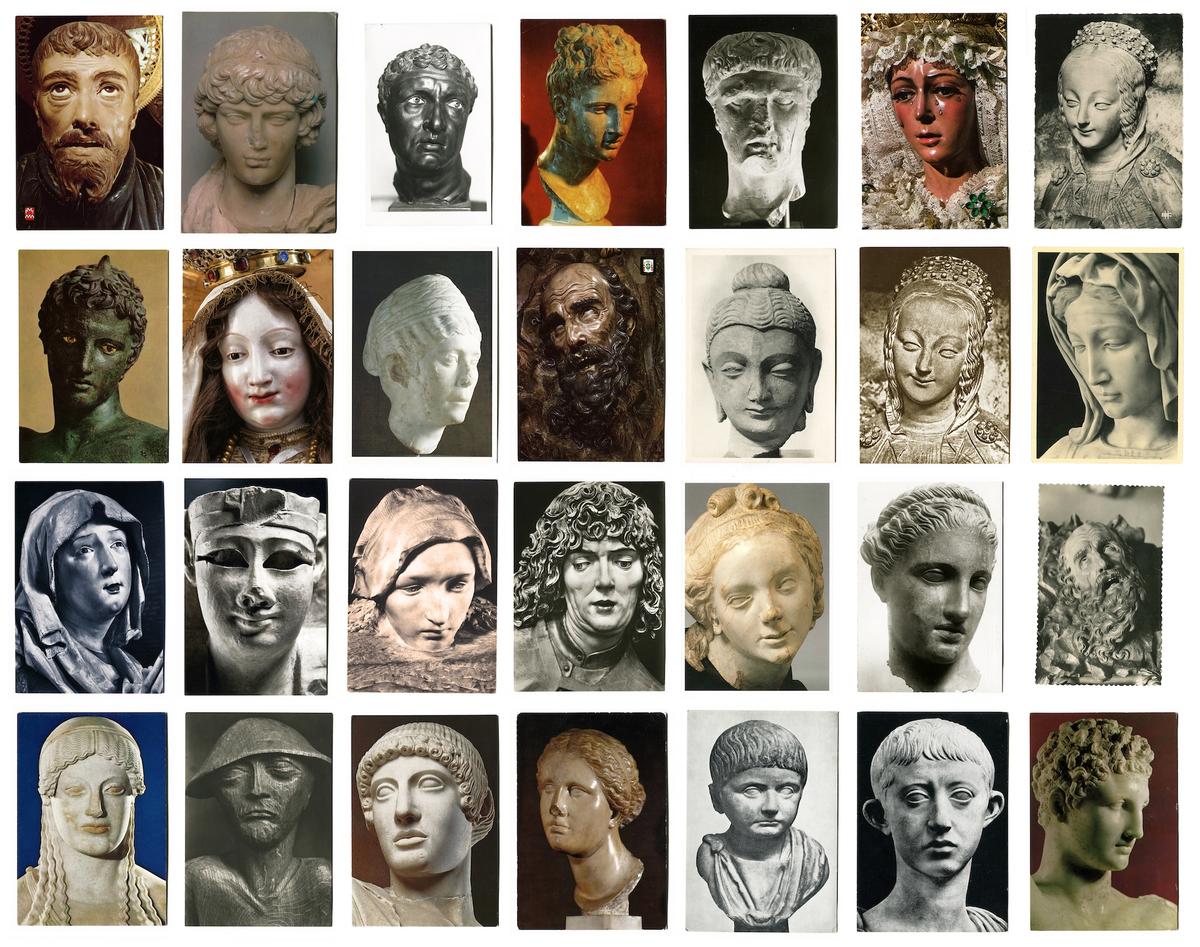
- •Spain’s postcard mural critiques tourism‑driven memory economies.
Pulse Analysis
The Venice Biennale’s 2026 edition arrives amid heightened cultural anxiety, and its selected pavilions act as micro‑laboratories for artistic risk‑taking. Bulgaria’s "Federation of Minor Practices" transforms the traditional exhibition space into a game‑like arena, using newly commissioned films to demand sustained attention and to model speculative futures. By immersing visitors in a participatory loop, the pavilion underscores how digital interactivity can become a conduit for political critique, a trend likely to ripple through museum practices worldwide.
Canada’s Abbas Akhavan embraces opacity, deliberately withholding details about "Entre chien et loup." This strategy forces audiences to grapple with the fluidity of historical narratives, echoing broader debates about provenance, censorship, and the role of the artist as historian. The work’s focus on light and cameraless photography amplifies the tension between visibility and concealment, a motif that resonates with institutions wrestling over transparency in acquisition and exhibition policies.
The remaining showcases—Catalonia’s watermark‑driven "Paper Tears," Lithuania’s 16 mm "animism sings anarchy," and Spain’s postcard mural "Los restos"—collectively interrogate how memory, gender, and commerce shape collective consciousness. By repurposing archival materials, archaic film formats, and everyday tourist ephemera, these pavilions critique entrenched power structures while offering fresh visual vocabularies. Their success signals to curators and collectors that blending historical research with experimental media can generate both critical acclaim and market relevance, reinforcing the Biennale’s role as a launchpad for the next wave of influential contemporary art.
The Venice Biennale 2026: the Pavilion hit list
Comments
Want to join the conversation?