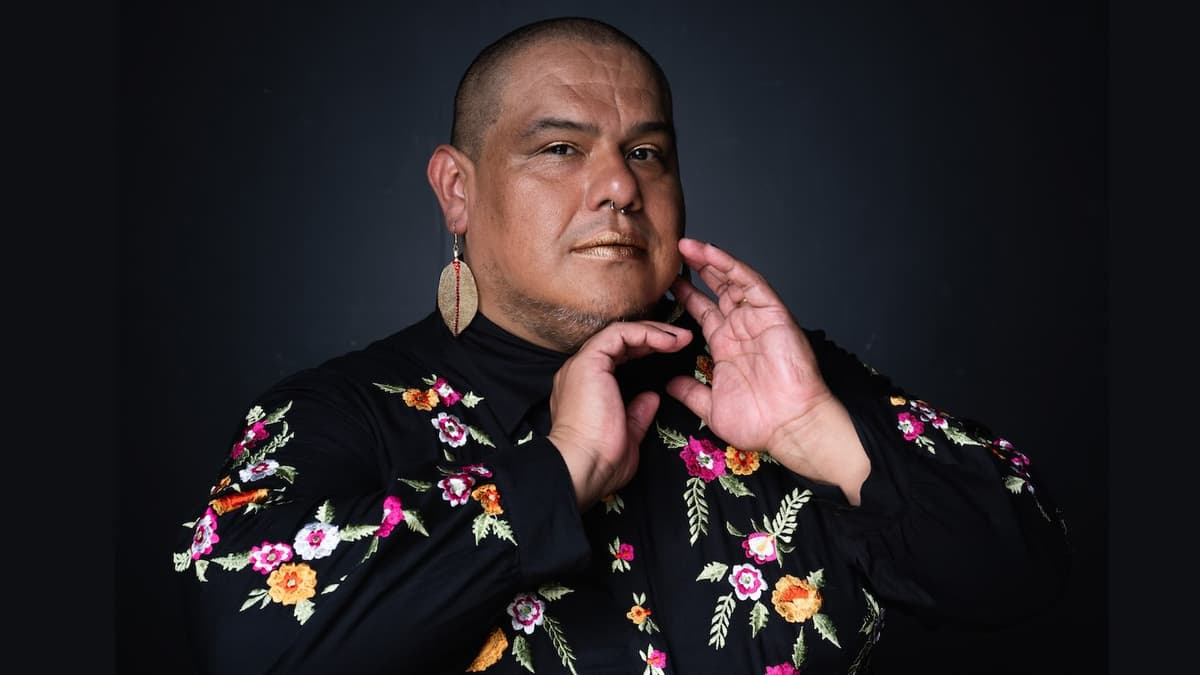
Transgression Is Freedom in the Artistry of Dorian Wood
Key Takeaways
- •Wood releases *Canto de Todes* album via New Amsterdam Records
- •Album adapts 12‑hour installation into 70‑minute folk‑experimental collection
- •Themes blend joy, sorrow, queer identity, anti‑colonial critique
- •Collaboration features guitarist Michael Corwin and four cellists
Pulse Analysis
Dorian Wood’s move from Los Angeles to Boston reflects a broader migration of artists seeking affordable creative hubs, yet her work remains rooted in the cultural hybridity of her Costa Rican‑Nicaraguan heritage. By positioning herself against the “white colonialist gatekeeping” she perceives in Boston’s Puritanical legacy, Wood leverages her transgressive ethos to interrogate power structures that marginalize queer, trans‑femme voices. This geographic and ideological shift underscores how place‑based challenges can catalyze new artistic directions, especially for anti‑disciplinary creators who thrive on disruption.
*Canto de Todes* began as a 12‑hour, site‑specific installation at REDCAT, where Wood combined chamber music, folk traditions, and experimental soundscapes to forge a communal ritual. The album distills that marathon experience into a 70‑minute journey, retaining the work’s three‑movement architecture while offering listeners portable access to its emotional spectrum. Core collaborators—including guitarist Michael Corwin and cellists Adrián Cortés, April Guthrie, Christopher Votek, and Emily Elkin—provide a textured string foundation that supports Wood’s powerful vocals and thematic storytelling, from the dance‑like “Lirios” to the a cappella invocation “Nube Negra.”
Beyond its artistic merits, the project signals a growing appetite for folk‑inspired activism within the independent music market. By foregrounding queer identity, ancestral trauma, and anti‑gentrification messages, Wood aligns with a lineage of artists using music as protest, echoing the legacy of Violeta Parra. New Amsterdam Records’ involvement highlights the label’s commitment to boundary‑pushing releases that blend cultural heritage with contemporary social critique, positioning *Canto de Todes* as both a sonic experience and a catalyst for dialogue on inclusion and resistance.
Transgression is Freedom in the Artistry of Dorian Wood
Comments
Want to join the conversation?