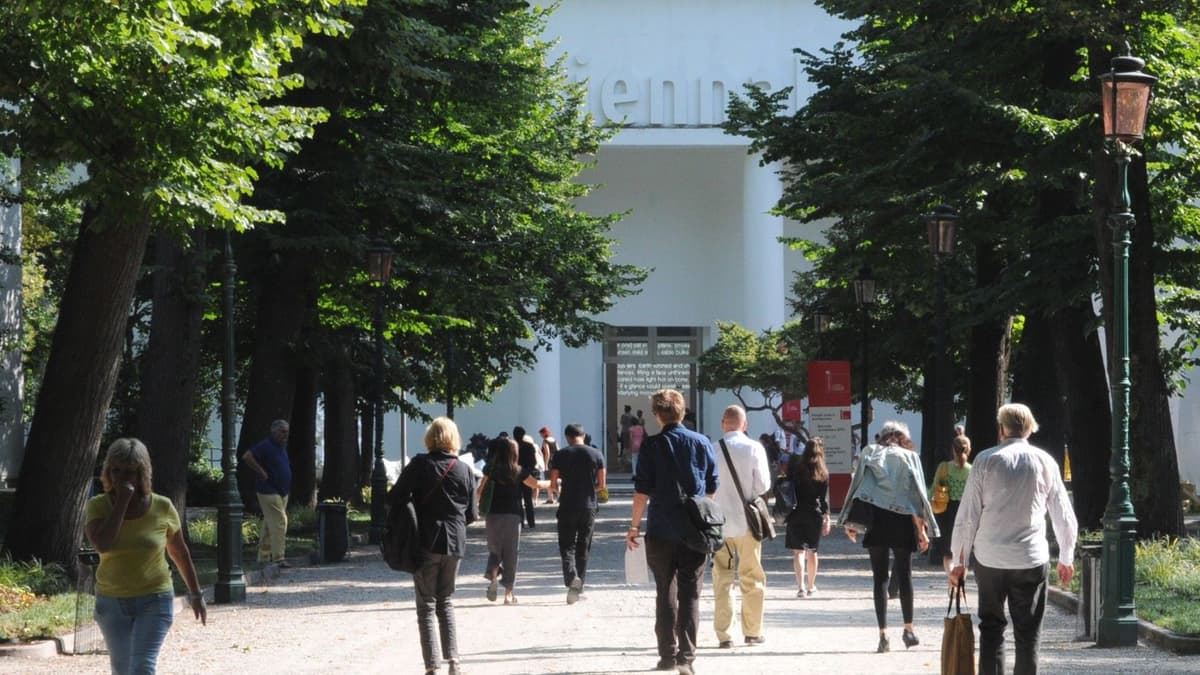
Venice Biennale 2026: The Seeds Koyo Kouoh Sowed, and The Tree We Are Living Under
Key Takeaways
- •61st Biennale opens May 9, 2026 across 140+ venues.
- •Theme "In Minor Keys" foregrounds marginal voices and quiet dignity.
- •Six nations debut, including Guinea, Qatar, and Vietnam.
- •Over 30 collateral events spread through Venice’s historic sites.
- •Integrated ArtRabbit map helps visitors navigate pavilions and neighborhoods.
Pulse Analysis
Koyo Kouoh’s curatorial legacy anchors the 61st Venice Biennale, a rare convergence of scale and subtlety. *In Minor Keys* departs from the spectacle‑driven past, opting instead for a quiet dignity that amplifies artists operating on the periphery of mainstream institutions. By invoking Toni Morrison’s call for love and magic over perpetual crisis, the edition reframes the Biennale as a living orchard where overlooked seeds can flourish, positioning Venice as a laboratory for socially engaged art.
The exhibition’s magnitude is unprecedented: more than 140 sites, over 100 national pavilions, and a slate of six debuting countries—Guinea, Equatorial Guinea, Nauru, Qatar, Sierra Leone, Somalia, and Vietnam—expand the geographic and cultural footprint of the event. Collateral projects in palazzi, churches, and canals deepen the city’s role as a curatorial partner, while ArtRabbit’s integrated map turns navigation into a participatory act. This breadth not only attracts a global audience but also injects significant spending into Venice’s economy, with ticket tiers ranging from a single ride (€9.50 ≈ $10.45) to multi‑day passes, stimulating hospitality, dining, and local commerce.
Practically, the Biennale’s design encourages visitors to treat Venice itself as an exhibit. Vaporetto routes connect the Giardini and Arsenale, and guided tours deepen engagement with the historic shipyards and park pavilions. By blurring the line between artwork and urban fabric, the edition sets a precedent for future art fairs seeking sustainability and inclusivity. Curators worldwide are watching how this low‑key, neighborhood‑centric model may redefine audience expectations and funding structures in the post‑pandemic cultural sector.
Venice Biennale 2026: The Seeds Koyo Kouoh Sowed, and The Tree We are Living Under
Comments
Want to join the conversation?