Why It Matters
*Rememory* demonstrates how contemporary art can surface erased narratives, influencing public discourse and cultural policy in a politically charged Australian climate.
Key Takeaways
- •143 works by 83 artists from 37 countries featured
- •Curator Hoor Al Qasimi faces backlash over pro‑Palestinian stance
- •Installations explore Vietnam war trauma, Palestinian displacement, First Nations narratives
- •Venue cohesion varies; AGNSW space offers strongest thematic connections
- •Biennale fuels debate on art, politics, and collective memory in Australia
Pulse Analysis
The 25th Biennale of Sydney, *Rememory*, arrives at a crossroads of art and politics, reflecting a global shift toward confronting silenced histories. Curated by internationally recognised Hoor Al Qasimi, the biennial leverages Toni Morrison’s concept of the space between remembering and forgetting, inviting audiences to engage with narratives that have been systematically erased. This framing resonates amid Australia’s current cultural reckoning, where festivals are under intense public and media scrutiny, and curatorial decisions are increasingly politicised.
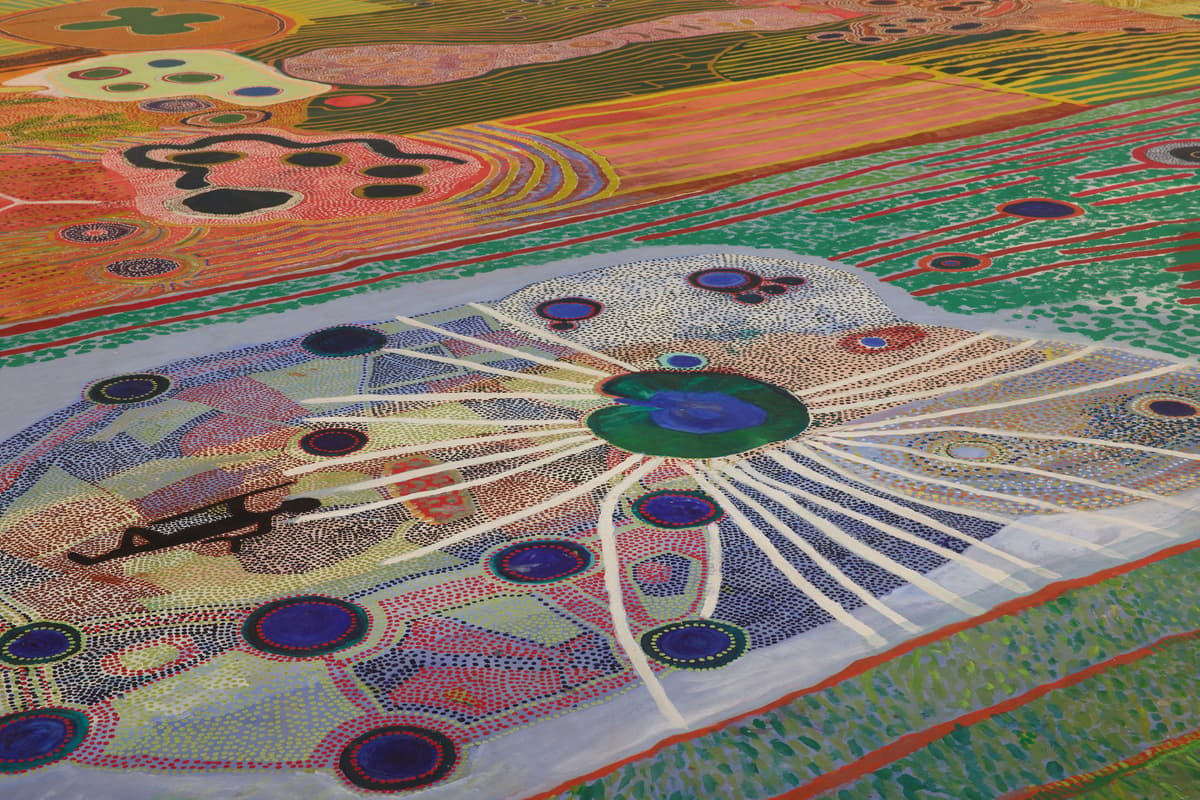
Key works illustrate the breadth of the biennale’s ambition. Tuan Andrew Nguyen’s video sculpture repurposes unexploded Vietnam‑war ordnance into haunting art, symbolising the lingering trauma of conflict. Basel Abbas and Ruanne Abou‑Rahme’s installation visualises Palestinian displacement through floating chiffon figures and archival drawings, while John Harvey and Walter Waia’s three‑channel video confronts rising sea levels threatening Torres Strait islands. These pieces, alongside First Nations commissions and Sudanese community photography, embody a multilayered dialogue that bridges past atrocities with present‑day geopolitical anxieties.
The exhibition’s impact extends beyond its artistic merit, shaping conversations about cultural funding, censorship, and the role of museums in societal healing. While venues like the AG NSW Naala Badu building successfully weave disparate works into a cohesive narrative, other sites—such as the industrial White Bay Power Station—risk fragmenting the experience. The biennale’s mixed reception underscores the need for thoughtful spatial design and curatorial clarity when tackling complex, politically charged subjects. As Australia grapples with rising far‑right sentiment and calls for greater representation, *Rememory* serves as a barometer for how art institutions can either reinforce or challenge dominant historical narratives.
25th Biennale of Sydney Review: From the Margins
Comments
Want to join the conversation?
Loading comments...