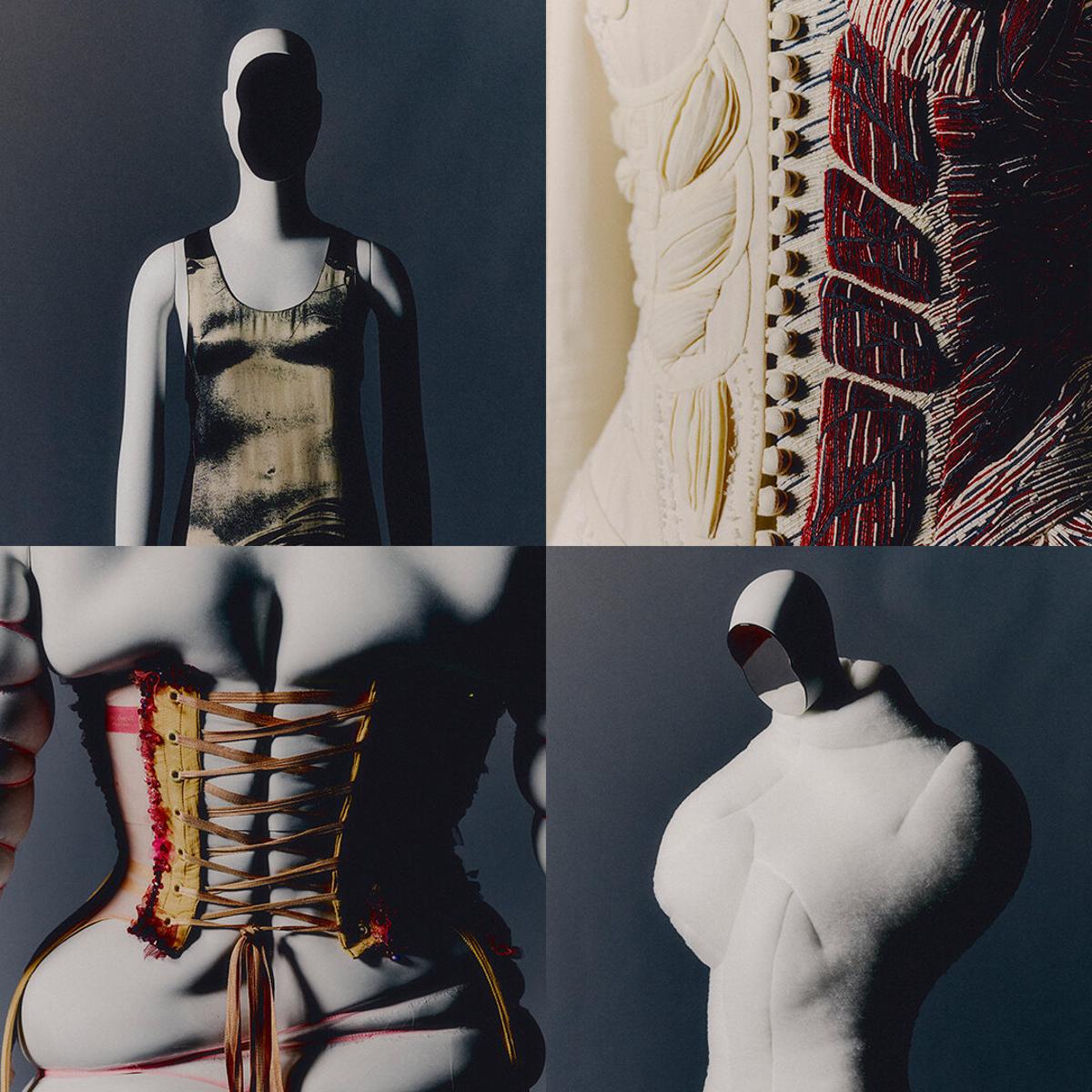
7 ‘Body Types’ in the Met’s ‘Costume Art’ Fashion Exhibition
Companies Mentioned
Why It Matters
By framing fashion as a unifying visual language, the exhibition reinforces the scholarly and commercial relevance of costume studies, influencing designers, curators, and cultural institutions alike.
Key Takeaways
- •Seven curated silhouettes illustrate fashion’s evolution across eras
- •Andrew Bolton positions the dressed body as a unifying museum theme
- •Items include Dutch lace bibs, Japanese armor breastplates, Degas tutu
- •Exhibition bridges fine art and wearable design, attracting diverse audiences
- •Shows how clothing reflects social identity and artistic expression
Pulse Analysis
The Met’s Costume Institute continues its tradition of high‑profile shows with "Body Types," an exhibition that arrives alongside the annual Met Gala and immediately captures global attention. By spotlighting seven archetypal silhouettes, the museum positions fashion not merely as attire but as a narrative device that threads through painting, sculpture, and decorative arts. This curatorial strategy underscores the Institute’s role as a cultural barometer, translating runway hype into scholarly discourse and drawing visitors who might otherwise skip a traditional art museum.
Bolton’s concept of the "dressed body" reframes each garment as a visual essay on identity, technology, and power. The seven body types range from the ethereal tutu that encircles a bronze Degas ballerina to the utilitarian iron breastplate forged by 18th‑century Japanese armorers. By juxtaposing Dutch lace bibs rendered in brushstroke detail with contemporary avant‑garde pieces, the exhibition creates a dialogue between centuries, illustrating how silhouette adapts to shifting social norms while retaining a core communicative function. This cross‑departmental approach—linking costume, Asian art, European paintings, and modern sculpture—offers a holistic view of fashion’s place within the broader art historical canon.
For the fashion industry, "Body Types" serves as both inspiration and market intelligence. Designers can trace the lineage of current trends back to historical prototypes, while brands gain insight into how garments convey cultural narratives beyond mere aesthetics. Museums, too, see a blueprint for future exhibitions that blend scholarly rigor with popular appeal, potentially expanding ticket sales and donor interest. Ultimately, the show reinforces the idea that clothing is a powerful storytelling medium, shaping and reflecting society’s evolving self‑image.
7 ‘Body Types’ in the Met’s ‘Costume Art’ Fashion Exhibition
Comments
Want to join the conversation?
Loading comments...