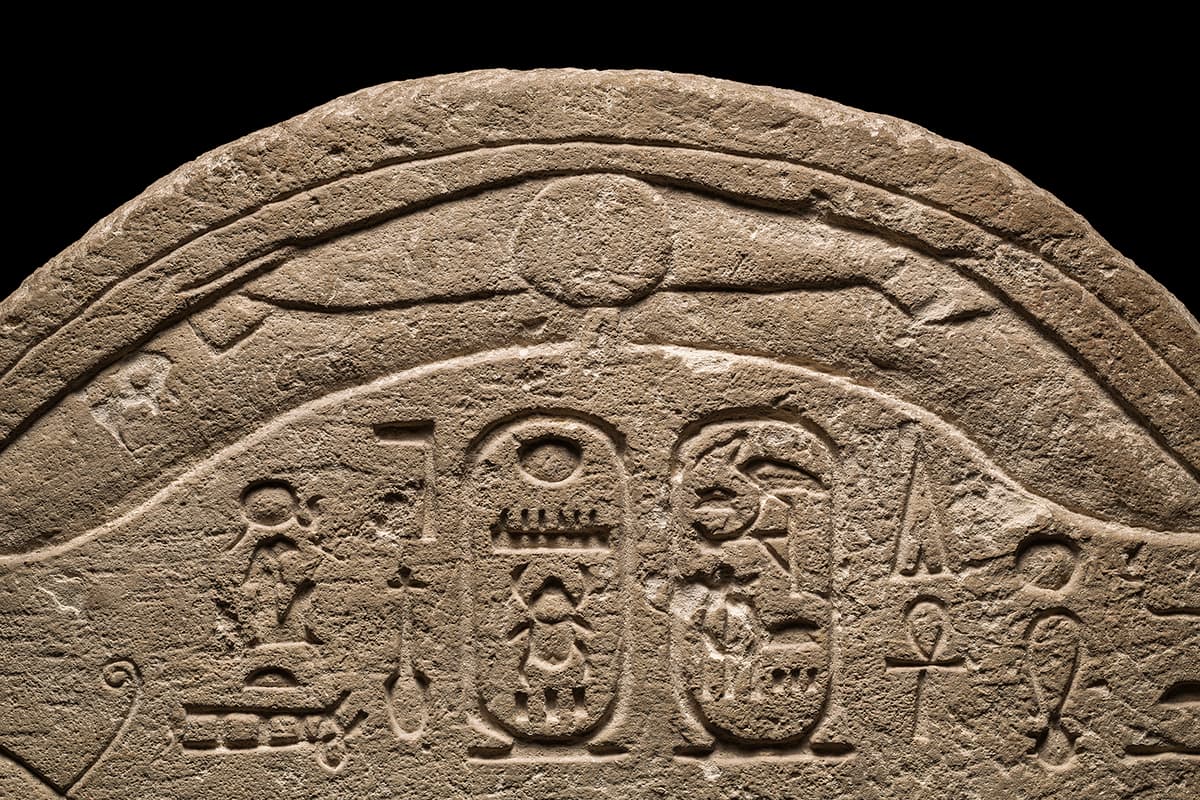
A Bodybuilder’s 3,300-Year-Old Egyptian Stele Heads to TEFAF
Why It Matters
The listings underscore soaring demand and premium valuations for authenticated Egyptian artifacts, shaping collector strategies and museum acquisition budgets. They also highlight how scientific authentication can unlock market confidence for pieces with contested histories.
Key Takeaways
- •Stele of Thutmose IV listed for £450k ($608k) at TEFAF
- •Greywacke Goddess bust authenticated, priced at £1.5m ($2m)
- •Provenance traced from 1923 Paris sale to modern market
- •Scientific analysis key to confirming authenticity of ancient artifacts
- •High‑profile Egyptian pieces drive premium prices at global fairs
Pulse Analysis
Ben Weider’s legacy extends beyond bodybuilding into the world of antiquities, where his 3,300‑year‑old stele of Thutmose IV has become a marquee piece for TEFAF New York. The limestone monument, originally a diplomatic gift from the United Arab Republic of Bodybuilding Federation, resurfaced after a modest 56,000 CAD auction sale and now commands a six‑figure pound price. Its presence at the fair signals that even niche historical objects can achieve headline status when linked to iconic personalities and rare provenance.
The accompanying greywacke bust of an Egyptian goddess showcases the transformative power of scientific authentication. Initial doubts about its authenticity—stemming from a glossy surface and a patched nose—were resolved through material analysis that identified quarry sources in Wadi Hammamat and clarified 18th‑century restoration work. By tracing its ownership back to a 1923 Paris auction, the specialists at David Aaron not only restored credibility but also justified a £1.5 million valuation. This case reinforces that rigorous provenance research and modern analytical techniques are now indispensable tools for dealers and collectors navigating a market fraught with forgeries.
Together, these artifacts illustrate a broader trend: premier fairs like TEFAF are becoming pivotal venues where high‑profile Egyptian pieces command premium prices and attract global attention. The willingness of buyers to invest millions reflects both a fascination with ancient Egypt and a confidence that provenance and scientific validation can mitigate risk. As regulatory scrutiny intensifies, the market’s reliance on transparent documentation and expert authentication will likely shape future pricing dynamics and the flow of antiquities into private and institutional collections.
A Bodybuilder’s 3,300-Year-Old Egyptian Stele Heads to TEFAF
Comments
Want to join the conversation?
Loading comments...