Why It Matters
The initiative proves that modest, adaptable interventions can revitalize existing housing stock, fostering cultural activity and social cohesion while offering a scalable template for cities facing aging urban fabric.
Key Takeaways
- •Flexible walls enable multiple simultaneous programs
- •Café doubles as neighborhood social hub
- •Artist studio merges living and work spaces
- •Model promotes low-cost community cultural activation
- •Replicable design supports urban stock renewal
Pulse Analysis
China’s urban agenda is shifting from new construction toward stock renewal, seeking ways to extract value from existing residential blocks. MINOR lab’s Jiadu Art Center illustrates how a modest 533 m² footprint can become a catalyst for community vitality. By treating the ancillary building, adjacent courtyard, and a former apartment as a cohesive network, the project redefines the role of ordinary housing stock, turning it into a public cultural asset without the expense of new builds. This approach aligns with municipal goals to boost livability while containing development costs.
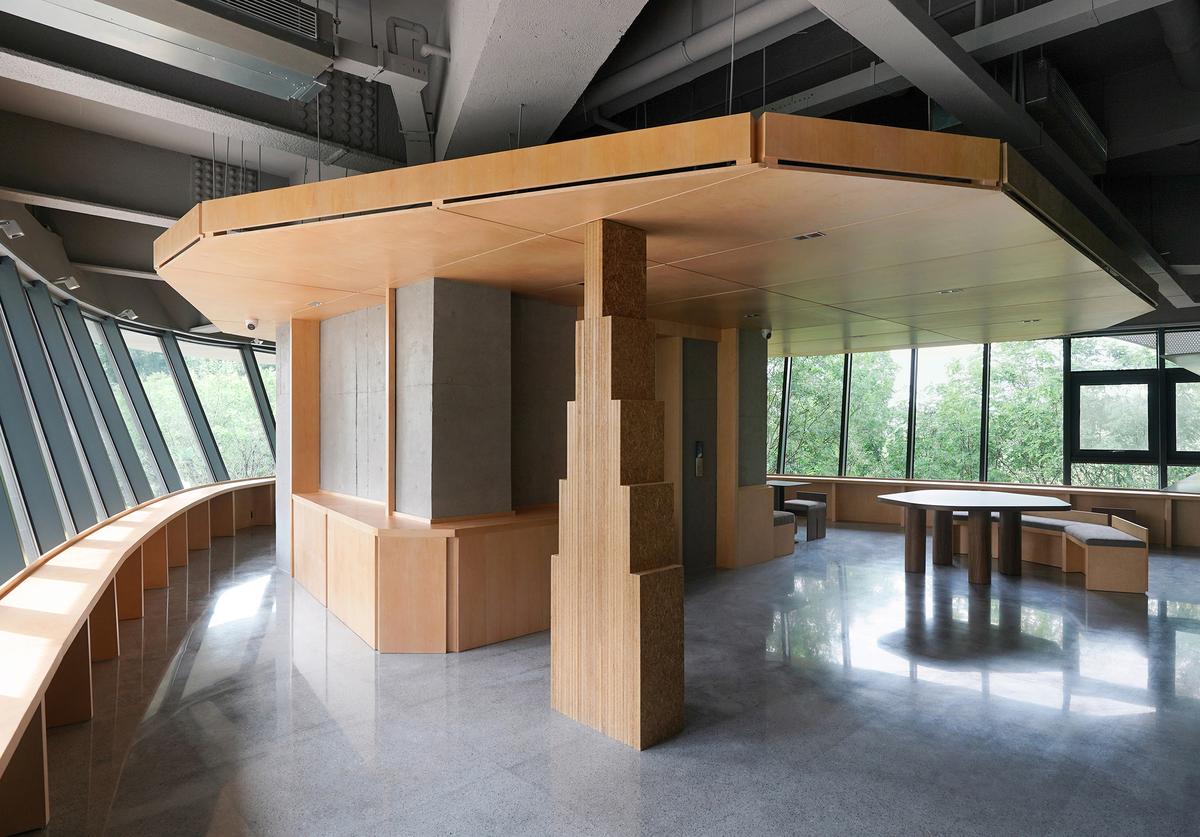
The core of the design lies in its adaptability. Multi‑layer movable walls and steel‑framed, straw‑board‑clad columns allow the art center to morph from intimate lecture rooms to expansive exhibition halls within minutes. A modular furniture system supports rapid reconfiguration, reducing the need for temporary construction and lowering the carbon footprint. The café mirrors this flexibility, using spatial cues and material contrasts to create zones that shift between lively gathering spots and quieter nooks. Meanwhile, the artist studio blends living and creative functions through sliding walls, daylight‑modulating blinds, and ventilation frames, offering a prototype for future live‑work environments. These strategies collectively showcase a sustainable, low‑maintenance model for cultural infrastructure.
Beyond architecture, the project generates measurable social and economic benefits. The emergence of additional studios and independent art spaces demonstrates a self‑reinforcing ecosystem that attracts visitors, supports local creators, and stimulates small‑scale commerce. For city planners and developers, the Jiadu model offers a replicable blueprint that can be applied to aging neighborhoods worldwide, delivering cultural enrichment and community cohesion without large capital outlays. As urban centers grapple with aging stock, such “punctual activation” strategies may become essential tools for resilient, people‑centric city growth.
A Community Art Ecosystem in Practice / MINOR lab
Comments
Want to join the conversation?
Loading comments...