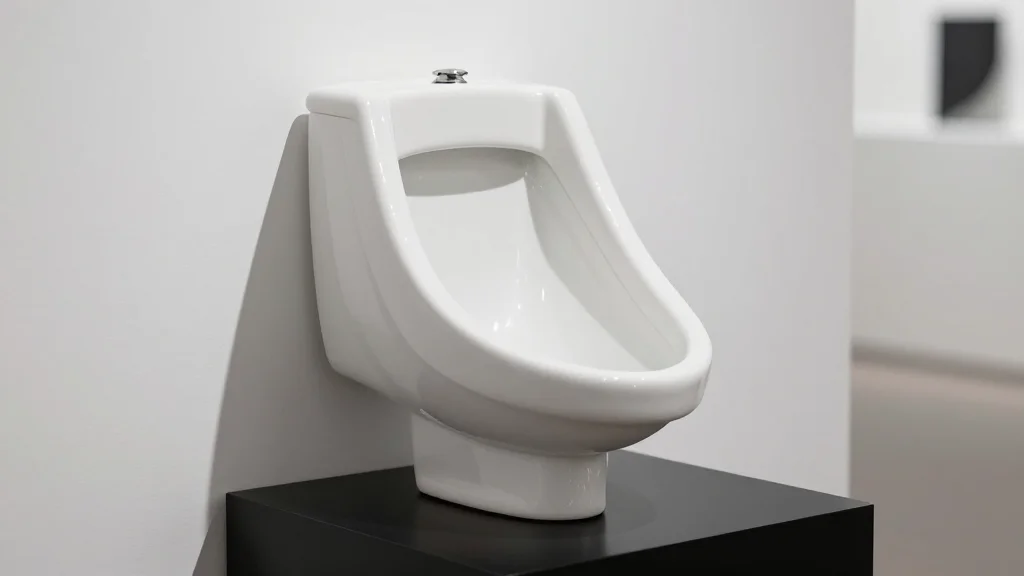
A Duchamp Retrospective at MoMA Presents an Artist Who Challenged the Very Definition of Art
Why It Matters
The retrospective reaffirms Duchamp’s foundational role in shaping modern art discourse and informs collectors, curators, and audiences about the origins of today’s market‑driven conceptual practices.
Key Takeaways
- •Duchamp's Readymades redefined art's material boundaries
- •His influence seen in Cattelan's $6.2M banana piece
- •MoMA's retrospective first US show in 50 years
- •Exhibition runs through August 22, 2026 at MoMA
- •Duchamp challenged gender norms via Rrose Sélavy persona
Pulse Analysis
Marcel Duchamp’s impact on contemporary art extends far beyond his early 20th‑century experiments. By presenting ordinary objects as art, his Readymades dismantled the notion that aesthetic value resides solely in visual pleasure. This conceptual shift paved the way for market‑driven spectacles such as Maurizio Cattelan’s banana, which transformed a modest fair price of $120,000 into a $6.2 million auction headline, illustrating how Duchamp’s ideas continue to fuel high‑stakes transactions and media buzz.
The MoMA retrospective, organized with the Philadelphia Museum and the Centre Georges Pompidou, offers the most extensive look at Duchamp’s oeuvre in the United States since the 1970s. Spanning his early paintings, provocative performances, and later optical experiments, the show runs until August 22, 2026, inviting 21st‑century audiences to engage with his provocations. By contextualizing works like the "3 Standard Stoppages" and the Rrose Sélavy persona, the exhibition demonstrates how Duchaug blurred lines between gender, industrial production, and artistic intent, influencing generations of Pop, Performance, and Conceptual artists.
For institutions, the exhibition signals a renewed emphasis on revisiting avant‑garde pioneers to deepen public understanding of contemporary art’s roots. Collectors gain insight into the provenance of market‑driven conceptual pieces, while curators can draw parallels between Duchamp’s anti‑retinal stance and today’s digital and experiential art trends. Ultimately, the MoMA show not only cements Duchamp’s status as a catalyst for artistic innovation but also frames ongoing debates about authenticity, value, and the role of the viewer in the art ecosystem.
A Duchamp Retrospective at MoMA Presents an Artist Who Challenged the Very Definition of Art
Comments
Want to join the conversation?
Loading comments...