Companies Mentioned

Why It Matters
The disputes highlight how geopolitics can reshape cultural platforms, while the jury’s walk‑out and new award format signal a shift toward greater public participation in art‑world prestige mechanisms.
Key Takeaways
- •Biennale announced 100 official pavilions and 31 collateral events for 2026.
- •Russia and Israel pavilions spark EU sanctions controversy.
- •Jury resigned, cancelling Golden Lion awards; visitors' lions introduced.
- •Curator Koyo Kouoh died; her vision retained by advisory team.
- •US pavilion delayed by government shutdown, highlighting political influence.
Pulse Analysis
The Venice Biennale remains the art world’s most visible stage, and the 2026 edition underscores that visibility with a record‑breaking roster of 100 national pavilions plus 31 collateral events. Curated under the banner “In Minor Keys," the central exhibition aims to explore subtle, under‑current cultural narratives, a theme that many countries are already echoing in their own selections. This expansive lineup not only offers a global snapshot of contemporary practice but also reinforces the Biennale’s role as a diplomatic showcase where nations project soft power through artistic expression.
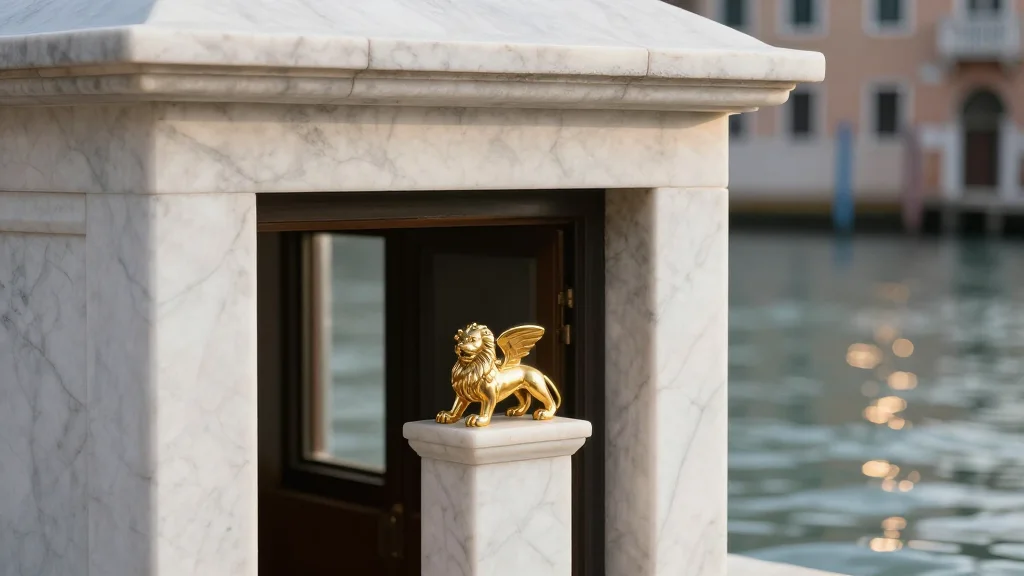
Geopolitical tensions have seeped into the Biennale’s fabric this year. The decision to allow Russian and Israeli pavilions has ignited criticism from EU officials who claim it violates sanctions tied to Russia’s war in Ukraine. Compounding the drama, the international jury—tasked with awarding the coveted Golden Lion—resigned en masse after declaring that nations facing International Criminal Court charges would be excluded. In response, the Biennale scrapped the Golden Lion for 2026, opting instead for Visitors’ Lions decided by public vote, a move that could democratize recognition but also dilute the prestige traditionally associated with the awards.
The sudden death of Koyo Kouoh, the appointed curator for the main exhibition, added another layer of uncertainty. Rather than canceling the show, the Biennale committed to preserving her curatorial vision, appointing five advisers to execute the program with the support of her family. This decision reflects a broader industry trend of safeguarding artistic intent amid unforeseen disruptions. As the Biennale prepares for its 2026 debut, stakeholders—from governments to galleries—will watch closely to see how cultural institutions balance artistic freedom, political pressure, and evolving audience expectations.
A Guide to the 2026 Venice Biennale National Pavilions
Comments
Want to join the conversation?
Loading comments...