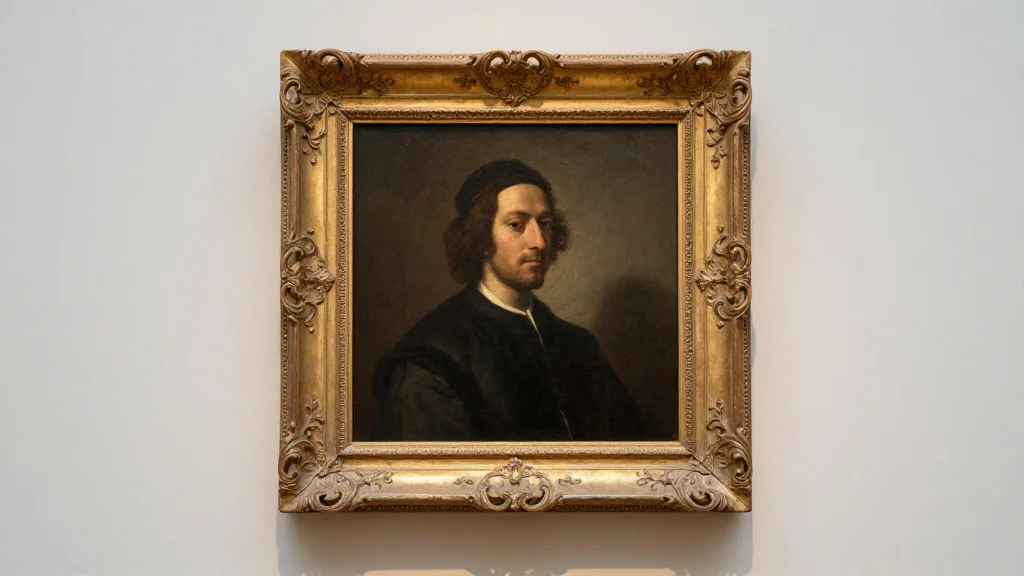
A Lucas Cranach the Elder Masterpiece Once Hung in Hitler’s Munich Apartment
Why It Matters
The painting illustrates how Nazi‑era looting still surfaces in major institutions, prompting renewed scrutiny of provenance research and restitution ethics.
Key Takeaways
- •Cranach's 1526 painting once displayed in Hitler's Munich flat
- •Provenance includes possible forced sale from Jewish collector, no restitution claims
- •WWII journalist Patricia Lochridge smuggled the work to the United States
- •National Gallery acquired painting in 1963 after misrepresented sale by Silberman
- •Museum maintains transparency, invites further provenance information from public
Pulse Analysis
The rediscovered photograph of Lucas Cranach the Elder’s *Cupid complaining to Venus* offers a rare glimpse into Adolf Hitler’s personal art taste, which favored traditional Germanic masters. While the painting’s mythological subject—Cupid’s sting by bees—appears innocuous, its presence in Hitler’s Munich flat underscores the dictator’s use of cultural assets to craft an image of refined authority. Art historians note that Cranach’s works were prized by the Nazi regime for their perceived Aryan aesthetic, making each piece a potential conduit for propaganda and personal prestige.
Tracing the canvas’s journey reveals the tangled web of Nazi‑era art transactions. After an ambiguous 1909 Berlin auction, the painting likely entered Hitler’s collection through a forced sale or outright seizure from a Jewish owner—a common practice that left countless artworks with murky histories. Post‑war, American correspondent Patricia Lochridge was granted a one‑day mayoral honor in Berchtesgaden and seized the painting from a local warehouse, smuggling it to the United States. Her subsequent attempts to place the work with the Metropolitan Museum fell through, and the National Gallery in London acquired it in 1963 via A. Silberman Galleries, which falsely claimed a clean lineage. This episode highlights how wartime looting can persist through decades of misrepresentation.
For museums, the Cranach case reinforces the imperative of rigorous provenance research and transparent disclosure. The National Gallery’s acknowledgment of the painting’s questionable past and its invitation for further information exemplify a growing institutional shift toward accountability. As heirs of dispossessed families increasingly pursue restitution, institutions must balance the cultural value of holding such masterpieces with ethical responsibilities to address historical injustices. Ongoing scholarship, like Birgit Schwarz’s forthcoming book on Hitler’s collection, will likely shed more light on similar artworks, prompting museums worldwide to reevaluate holdings acquired under dubious circumstances.
A Lucas Cranach the Elder Masterpiece Once Hung in Hitler’s Munich Apartment
Comments
Want to join the conversation?
Loading comments...