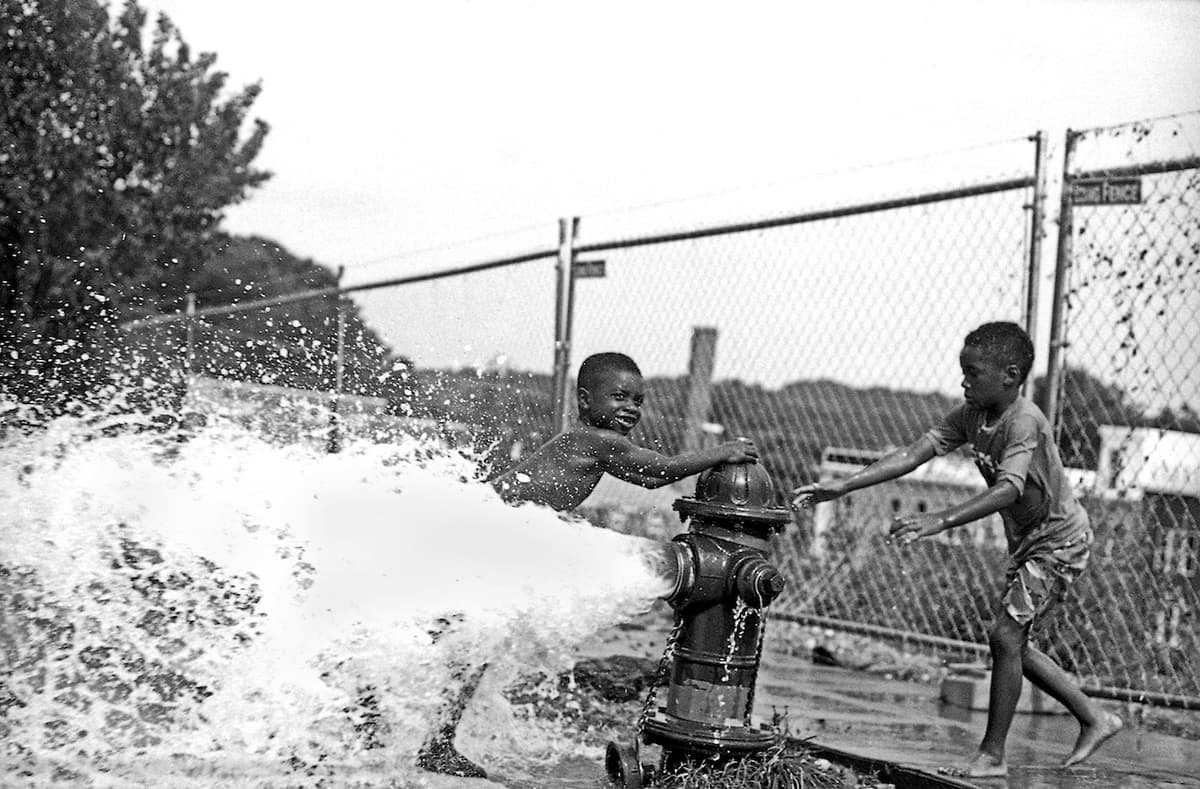
A Photographic Discourse Between Beverly Price and Gordon Parks
Why It Matters
The show underscores the power of inclusive representation to reshape cultural memory and validates emerging Black LGBTQ+ voices in the canon of documentary photography. It signals museums’ growing commitment to diverse, community‑rooted storytelling.
Key Takeaways
- •Price documents everyday Black life in D.C. with intimate lens
- •Exhibition bridges 60‑year photographic dialogue across generations
- •Price’s intuition‑driven method captures unseen, quiet moments
- •Representation rooted in lived experience challenges mainstream narratives
- •Parks‑Price pairing reinforces photography as civic responsibility
Pulse Analysis
The Brooklyn‑based Center for Art and Advocacy’s latest exhibition, “A Language We Share,” reunites two photographers separated by time but united by purpose. Gordon Parks, whose mid‑20th‑century images defined Black urban life, set a precedent for using the camera as social documentation. By juxtaposing his work with Beverly Price’s contemporary portfolio, the show creates a visual conversation that illustrates how neighborhoods evolve while core human experiences—play, love, struggle—remain constant. This curatorial choice reflects a broader museum trend: foregrounding historically marginalized creators alongside canonical figures to rewrite the visual record.
Price, a Black gay woman who grew up in Washington, D.C., approaches photography as an act of preservation rather than mere observation. She describes her process as feeling moments before they are seen, allowing intuition to guide the shutter. Her focus on children’s quiet, introspective scenes stems from personal trauma and a desire to safeguard innocence amid rapid technological change. By embedding herself within the communities she photographs, Price avoids the outsider gaze, fostering trust that yields images rich in dignity and nuance. This methodology resonates with contemporary documentary photographers who prioritize relational ethics over assignment‑driven shoots.
The exhibition’s impact extends beyond artistic appreciation; it signals a shift in how cultural institutions value community‑centric narratives. As collectors and audiences seek authentic stories, works like Price’s offer both market relevance and social relevance, reinforcing photography’s role as a civic responsibility. By linking past and present, the show invites viewers to consider how today’s visual archives will inform future understandings of place, identity, and collective memory. In an era of rapid urban transformation, such documentation becomes essential for preserving the human fabric of neighborhoods.
A Photographic Discourse Between Beverly Price and Gordon Parks
Comments
Want to join the conversation?
Loading comments...