Key Takeaways
- •Carnegie International’s 59th edition opens in Pittsburgh
- •61 artists and collectives featured, 36 new commissions
- •Director Eric Crosby emphasizes site‑specific works for Pittsburgh
- •Event aims to revitalize Rust Belt cultural profile
Pulse Analysis
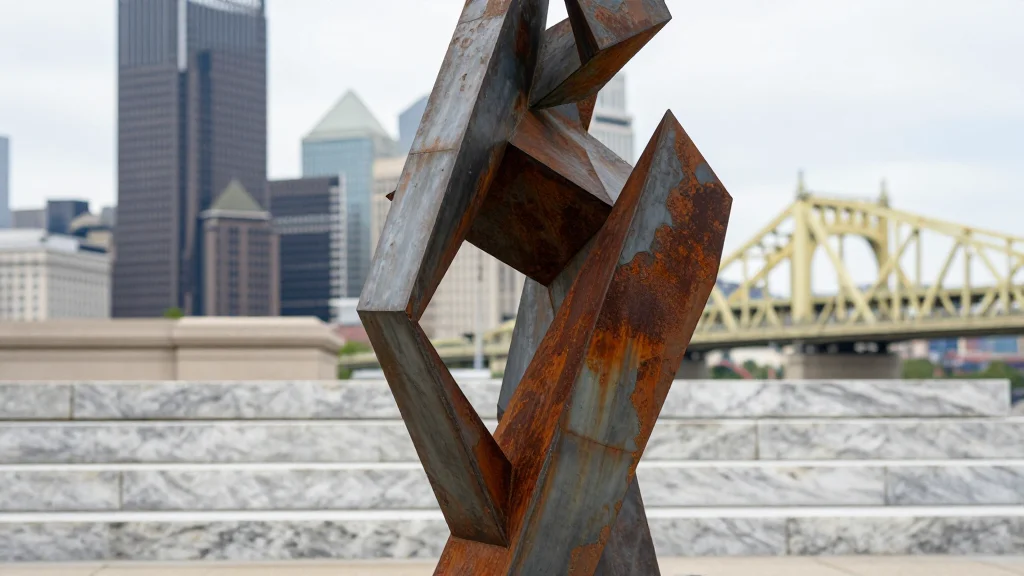
The Carnegie International, first staged in 1896 as an American counterpart to the Venice Biennale, has long been a barometer of contemporary art trends. Its 59th iteration arrives in Pittsburgh, a city once defined by steel mills and now rebranding itself as a cultural hub. By labeling the show a “Rust Belt Biennale,” the museum signals a deliberate shift to spotlight post‑industrial narratives, positioning the exhibition as both a celebration of artistic innovation and a statement about regional identity.
A standout feature of this edition is the scale of artist commissions: 36 new works were created expressly for the Pittsburgh venue. Director Eric Crosby stresses that these pieces receive “time and space” to engage directly with the city’s architecture, history, and community. This site‑specific approach not only enriches the visitor experience but also provides artists with a rare laboratory to experiment with materials and concepts that echo the city’s industrial past. Local institutions, from universities to galleries, are collaborating to support these projects, fostering a vibrant ecosystem that nurtures emerging talent alongside established names.
Beyond the artistic merits, the biennale carries significant economic implications. Cultural tourism is projected to increase hotel occupancy and restaurant sales, injecting millions of dollars into the regional economy. Moreover, the event amplifies Pittsburgh’s profile on the global stage, attracting future exhibitions, conferences, and creative enterprises. As more Rust Belt cities seek to reinvent themselves through culture, the Carnegie International may serve as a blueprint for leveraging world‑class art events to drive urban renewal and long‑term prosperity.
A Rust Belt Biennale
Comments
Want to join the conversation?