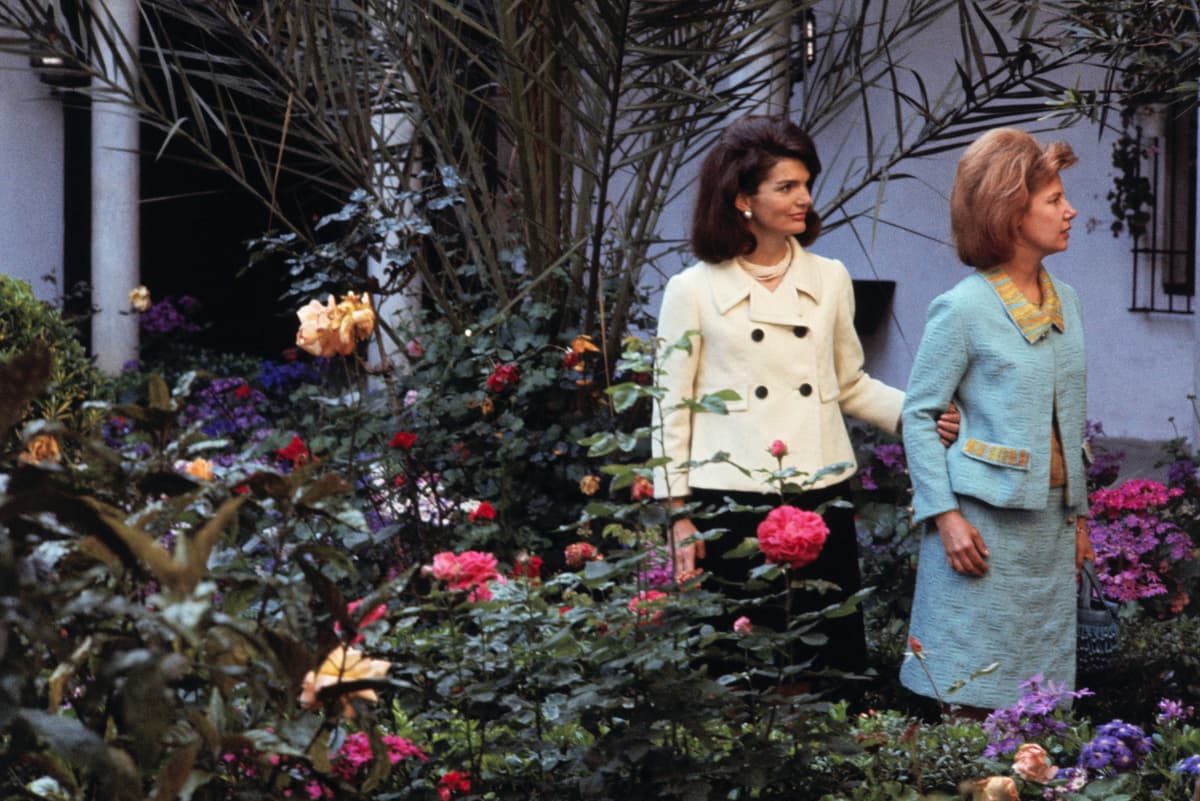
A Spanish Palace Revisits Jackie Kennedy’s Bond With the Duchess of Alba
Why It Matters
The exhibit underscores how personal relationships between elite figures can shape cultural diplomacy and boost heritage tourism, reinforcing Spain’s luxury‑culture brand on the global stage.
Key Takeaways
- •Exhibition showcases 200 items from Duchess of Alba’s art and fashion collection
- •Jackie Kennedy’s 1966 Seville visit sparked a lasting transatlantic friendship
- •Five‑page handwritten letter and watercolor from Kennedy displayed publicly
- •Curated by Duchess’s daughter, the show links Spanish aristocracy to global icons
- •Exhibition runs until Aug 31, boosting cultural tourism in Seville
Pulse Analysis
Seville’s historic Palacio de las Dueñas has become a cultural crossroads with the launch of “Cayetana: Grande de España.” The exhibition, curated by the Duchess of Alba’s youngest child Eugenia Martínez de Irujo and historian Cristina Carrillo de Albornoz, assembles roughly 200 artifacts that trace the aristocrat’s influence on 20th‑century art, fashion and politics. By presenting personal letters, photographs by Cecil Beaton and Richard Avedon, and rare garments, the show offers a tactile narrative of a woman who acted as a de‑facto ambassador for Spanish heritage, bridging aristocratic tradition with contemporary global taste.
At the heart of the display is a five‑page letter and accompanying watercolor sent by Jackie Kennedy during her 1966 visit to Seville. Their friendship, forged amid the backdrop of the April Fair and bullfighting arenas, illustrates how informal, high‑profile connections can soften diplomatic tensions and foster cultural exchange. Kennedy’s presence, still mourning her husband’s assassination, found solace in the duchess’s hospitality, creating a transatlantic bond that resonated through subsequent decades of artistic patronage and social networking among European royalty.
Beyond its historical intrigue, the exhibition is a catalyst for luxury tourism in Andalusia. By spotlighting the duchess’s extensive social circle—including Queen Elizabeth II and leading photographers—the museum attracts affluent visitors seeking immersive heritage experiences. Local hotels, restaurants and boutique retailers stand to benefit from the increased foot traffic, while the event reinforces Spain’s positioning as a destination where aristocratic legacy meets modern cultural consumption. Future programming that leverages similar high‑profile narratives could further amplify Seville’s global cultural cachet.
A Spanish Palace Revisits Jackie Kennedy’s Bond With the Duchess of Alba
Comments
Want to join the conversation?
Loading comments...