A Theatre Group of Exiled Belarusian Artists Arrive in Venice, With an Exhibition That Shows What Repression Feels Like
Why It Matters
By inserting an independent Belarusian voice into the world’s premier art fair, the exhibition redefines who can claim cultural representation and spotlights the spread of authoritarian surveillance worldwide.
Key Takeaways
- •Belarus Free Theatre stages first unofficial collateral exhibition at Venice Biennale
- •“Official. Unofficial. Belarus.” uses multisensory installations to convey repression
- •Exhibition challenges state‑run pavilions, highlighting independent cultural voice
- •Highlights global spread of authoritarian surveillance beyond Belarus
Pulse Analysis
The Venice Biennale, often called the "Olympics" of contemporary art, has traditionally been dominated by state‑funded pavilions that project official narratives. The Belarus Free Theatre’s inclusion as a collateral event disrupts this model, offering a rare platform for a diaspora‑born collective that has operated underground since the 2020 protests against President Alexander Lukashenko. Their presence underscores a growing demand for authentic, non‑governmental cultural expressions at high‑visibility venues, signaling a shift in how nations are represented on the global stage.
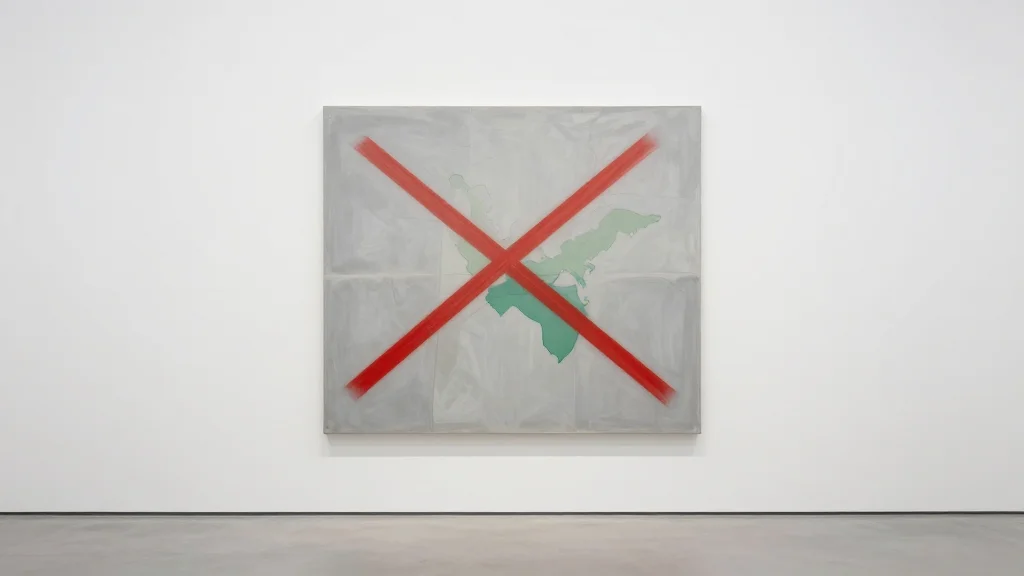
“Official. Unofficial. Belarus.” translates repression into a multisensory experience, drawing on Michel Foucault’s ideas about discipline that target both body and soul. Visitors navigate a historic Venetian church where paintings, soundscapes, and sculptures fashioned from prison bars create an immersive environment that mimics surveillance, obstruction, and the psychological weight of authoritarian control. By moving beyond visual representation to engage scent, sound, and spatial tension, the exhibition forces audiences to feel the constraints of a censored society, offering a visceral understanding that words alone cannot convey.
Beyond its artistic ambition, the show serves as a cautionary lens for a world where authoritarian tactics are proliferating beyond Eastern Europe. By positioning Belarus as a prototype rather than an outlier, the exhibition invites viewers to recognize similar patterns of surveillance and state‑driven narrative control in their own societies. This self‑authored cultural intervention not only amplifies a silenced voice but also challenges the Biennale’s own institutional structures, prompting a broader conversation about who gets to define national identity in the age of global authoritarianism.
A Theatre Group of Exiled Belarusian Artists Arrive in Venice, With an Exhibition That Shows What Repression Feels Like
Comments
Want to join the conversation?
Loading comments...