Companies Mentioned

Why It Matters
The upheaval reveals how geopolitical tensions and cultural policy can destabilize flagship art events, forcing a reevaluation of governance, funding, and prize structures across the global art ecosystem.
Key Takeaways
- •Jury resigned en masse over Israel and Russia pavilion eligibility.
- •Iran withdrew days before opening, citing political pressure.
- •US pavilion stayed empty after values‑based proposal request silenced submissions.
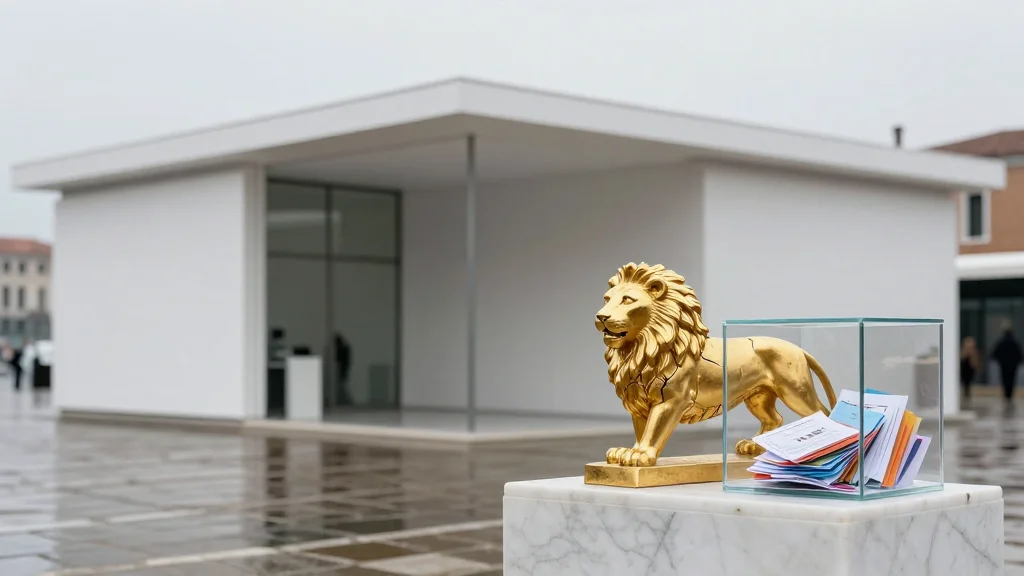
- •Golden Lion award scrapped; public vote now decides top prize.
- •Pussy Riot stormed Russian pavilion, highlighting activist art interventions.
Pulse Analysis
The Venice Biennale’s 2026 edition has become a case study in how contemporary art institutions are vulnerable to external political forces. When the jury collectively stepped down over the inclusion of Israeli and Russian artists, it signaled a loss of confidence in the event’s adjudication process. Iran’s last‑minute withdrawal and the U.S. pavilion’s silence, prompted by a values‑centric call for work, further illustrate how national agendas can dictate participation, eroding the Biennale’s reputation as an apolitical showcase of artistic excellence.
Beyond the Biennale, similar fractures are appearing across cultural pillars. Recent federal rulings deeming the Department of Education’s $100 million cut to NEH grants unconstitutional, alongside the Academy of Motion Picture Arts and Sciences barring AI‑generated content from Oscar eligibility, point to a broader pushback against unchecked institutional authority. These developments, coupled with high‑profile legal actions against tech giants for AI training practices, suggest a growing demand for transparency and public accountability in the stewardship of cultural capital.
Looking ahead, the Biennale’s decision to replace the Golden Lion with a public vote could redefine how artistic merit is recognized, shifting power from elite juries to broader audiences. While this democratization may restore some legitimacy, it also raises questions about the criteria used to evaluate avant‑garde work and the role of activism in shaping outcomes. Stakeholders—from sponsors to artists—must navigate a landscape where cultural relevance is increasingly contested, and where the mechanisms for awarding prestige are being rewritten in real time.
A Venice Biennale in Turmoil
Comments
Want to join the conversation?
Loading comments...