Advocates Try to Save Brutalist Fountain in San Francisco, José Aparicio Painting Returns to Prado Museum: Morning Links for April 30, 2026
Why It Matters
The fountain appeal underscores how civic activism can shape urban cultural policy, while the Prado repatriation and Biennale probe illustrate the growing intersection of art, provenance, and international politics that affect museums, collectors, and city planners.
Key Takeaways
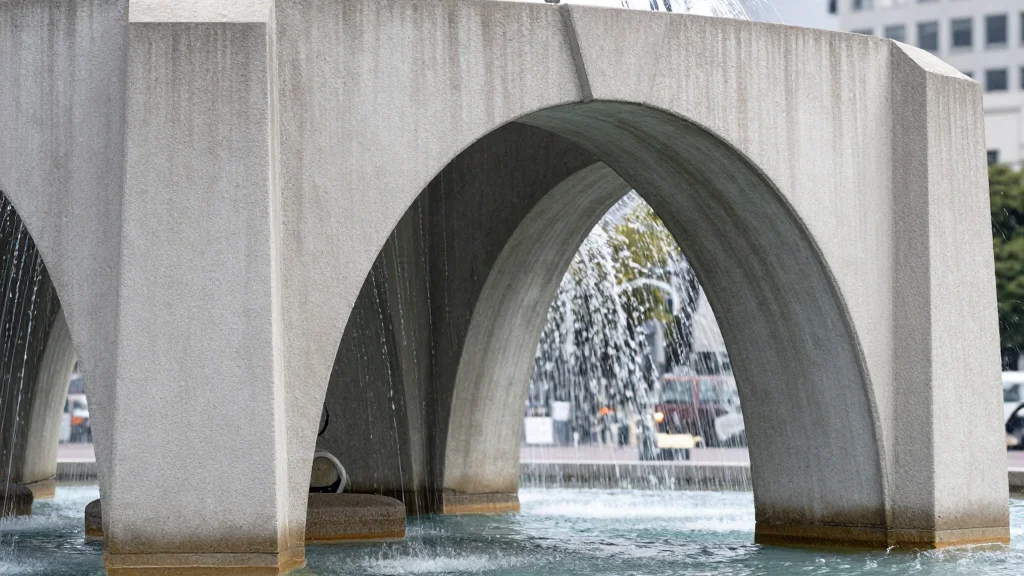
- •Friends of the Plaza appeal to halt Vaillancourt Fountain demolition.
- •Aparicio’s 1818 ‘Year of the Famine’ returns to Prado after 150 years.
- •Italy orders new Biennale inspections over alleged Russian pavilion sanctions breach.
- •Unverified Banksy‑style sculpture appears in London’s Waterloo Place.
Pulse Analysis
The fight to preserve San Francisco’s Vaillancourt Fountain reflects a broader tension between development pressures and cultural heritage stewardship. Designed by architect Richard Haight in 1971, the concrete cascade has become a touchstone for Brutalist enthusiasts and local residents alike. The Friends of the Plaza group argues that demolition would erase a rare example of mid‑century public art, potentially lowering property values and eroding community identity. City officials now must balance the fountain’s maintenance costs against public sentiment, setting a precedent for how municipalities handle aging yet beloved artworks.
The Prado’s acquisition of José Aparicio’s “The Year of the Famine in Madrid” marks a significant restitution milestone. The 1818 canvas, which documented a devastating cholera outbreak, spent more than a century in private European collections before being repatriated through collaborative provenance research. Its return enriches Spain’s narrative of 19th‑century social history and bolsters the museum’s commitment to showcasing underrepresented national artists. The move also signals a growing willingness among institutions to resolve historical displacement of artworks, a trend that could accelerate similar restitutions across Europe and beyond.
Geopolitics and anonymity continue to reshape the global art landscape, as seen in the Venice Biennale’s intensified inspections and the mysterious Banksy‑style sculpture in London. Italy’s probe into the Russian pavilion highlights how sanctions compliance is becoming a litmus test for cultural events, potentially influencing future participation criteria. Simultaneously, the unverified Banksy piece fuels market speculation, reminding collectors that street‑art credibility can swing valuations dramatically. Together, these episodes illustrate that art institutions must navigate political risk, provenance diligence, and the allure of mystery to maintain credibility and financial stability in an increasingly complex market.
Advocates Try to Save Brutalist Fountain in San Francisco, José Aparicio Painting Returns to Prado Museum: Morning Links for April 30, 2026
Comments
Want to join the conversation?
Loading comments...