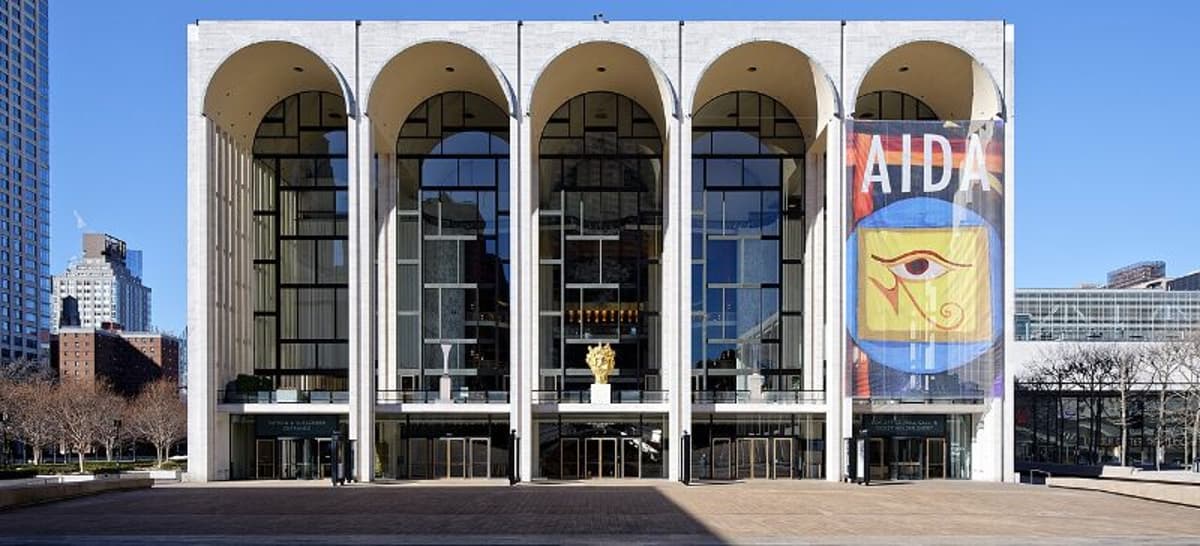
AJ Chronicles: Perils of Philanthropy — The Metropolitan Opera
Why It Matters
The Met’s funding collapse highlights the unsustainable reliance of cultural institutions on volatile philanthropy and geopolitically‑linked sponsorships, signaling a systemic risk to the arts ecosystem.
Key Takeaways
- •Met’s endowment fell from $340M to $216M since 2022
- •$30M gap must be covered by July 31, prompting asset sales
- •Opera revenue share dropped from 41% to under 20%
- •Saudi deal was a non‑binding MOU, not a firm contract
- •Arts funding now faces geopolitics, donor conditionality, and shrinking grants
Pulse Analysis
The Metropolitan Opera’s aborted Saudi Arabia deal underscores how desperate even flagship cultural institutions have become for cash. After announcing a three‑week winter residency in Riyadh backed by a $200 million promise, the Met learned the agreement was merely a memorandum of understanding. With its endowment slashed by $120 million—down to $216 million—the opera now faces a $30 million deficit and is poised to sell naming rights and two Chagall murals, a stark illustration of liquidity‑first strategies overtaking traditional fundraising. This episode reflects a broader shift: arts organizations are shedding commercial revenue streams, with earned income now representing just 12‑20% of budgets, while philanthropic support grows erratic and conditional.
Across the Atlantic and within the United States, the financial strain is evident. The Bridge Theatre in London is up for sale, Berlin’s Modern Museum opening is delayed to 2030, and Hampshire College is winding down after decades of experimental education. Meanwhile, donors are imposing new constraints, as seen in Arkansas Public Television’s $3 million challenge grant that ties funding to continued PBS affiliation. Such conditional patronage reshapes institutional missions, turning donors into de‑facto gatekeepers. The erosion of corporate sponsorships and the retreat of large foundations have left a vacuum that geopolitically motivated patrons, like Saudi Arabia, briefly filled—only to withdraw when strategic interests shift.
Yet the crisis also seeds new models of support. Recent gifts, such as the National Gallery of Art’s $116 million endowment for loaning works and Artists Count’s $1.3 million binational fund for creators in San Diego and Tijuana, prioritize circulating resources over permanent capital projects. These network‑weaving initiatives suggest a move away from cathedral‑building philanthropy toward a more agile, collaborative ecosystem. As governments tighten cultural budgets and donors demand greater accountability, arts institutions must rebuild direct community ties and diversify revenue to survive the post‑pandemic funding landscape.
AJ Chronicles: Perils of Philanthropy — The Metropolitan Opera
Comments
Want to join the conversation?
Loading comments...