Why It Matters
By tracing how ordinary Americans have visualized loyalty, the show reveals the cultural roots of today’s political symbolism and offers museums a model for contextualizing national milestones.
Key Takeaways
- •Folk Nation links 19th‑century patriotic merch to modern nationalism
- •1829 embroidered coverlet bears "Agriculture and manufactures" motto
- •1876 Centennial spread eagles, flags onto everyday consumer goods
- •Curators present Navajo figurine, limestone angel, anti‑KKK screed
- •Grandma Moses’s 1947 painting reflects nostalgic, divided America
Pulse Analysis
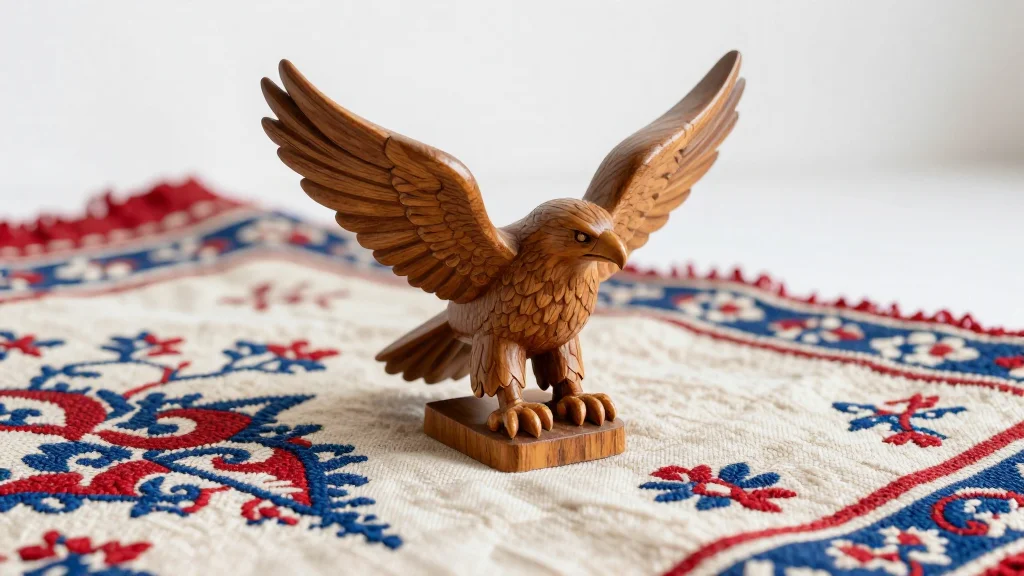
As the United States prepares for its 250th birthday, the public eye is fixed on massive fairs, naval displays, and glossy merchandise that scream patriotism. While the federal government and corporate sponsors roll out star‑studded spectacles, the American Folk Art Museum has taken a different route, presenting a modest exhibition that digs into the grassroots origins of American iconography. By foregrounding handcrafted objects—from a penny‑farthing‑mounted Uncle Sam to a 1829 embroidered coverlet—the museum reminds visitors that patriotic expression has always been as much a personal craft as a state‑driven narrative.
The show’s historical sweep underscores how folk art served as a conduit for national symbols long before mass media. The 1876 Centennial Exposition in Philadelphia popularized eagles, flags, and neoclassical motifs, which quickly migrated onto baking‑powder tins, toys, and samplers. As industrialization accelerated, a nostalgic yearning for handmade authenticity emerged, prompting collectors and curators to label such pieces "folk art." This label preserved a democratic aesthetic, allowing ordinary workers, farmers, and city dwellers to embed their own aspirations and anxieties into everyday objects, effectively democratizing the visual language of the nation.
In today’s polarized climate, the exhibition’s relevance extends beyond historical curiosity. By juxtaposing celebratory symbols with works that critique the Ku Klux Klan or highlight regional divides, the museum illustrates how patriotic imagery can both unite and obscure deeper societal fractures. For cultural institutions, the lesson is clear: national commemorations gain depth when they acknowledge the layered, sometimes contradictory, folk traditions that have long shaped America’s identity. This perspective equips business leaders, marketers, and policymakers with a richer understanding of how authentic, grassroots narratives can inform contemporary branding and civic engagement strategies.
America’s history in jingoistic merch
Comments
Want to join the conversation?
Loading comments...