America’s Venice Biennale Artist Was Scorned by Tastemakers — He Says He’s Misunderstood
Why It Matters
The selection spotlights the fraught intersection of art, politics, and national branding under a polarizing administration, while signaling that unconventional artists can become diplomatic symbols. It also raises questions about how cultural institutions allocate funding and influence representation on the world stage.
Key Takeaways
- •Self‑taught Alma Allen selected for US Venice Biennale pavilion
- •Pavilion organized by new nonprofit tied to State Department contacts
- •Critics argue Allen’s abstract work lacks political relevance
- •Rapid production timeline reflects last‑minute artist substitution
Pulse Analysis
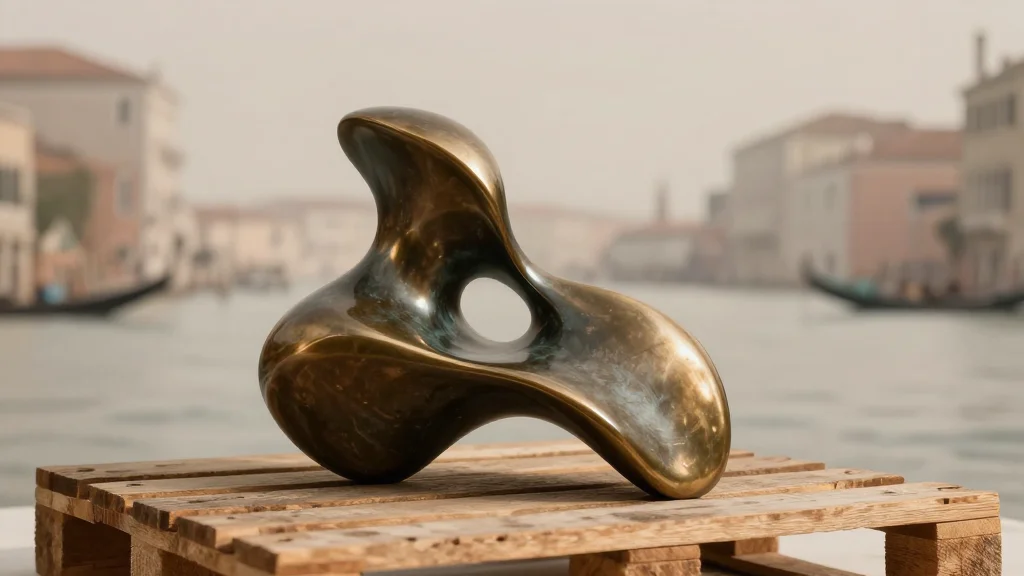
The Venice Biennale remains the premier platform for nations to showcase their cultural capital, and the United States’ choice of Alma Allen marks a departure from the traditionally credentialed artists who have filled the role. Allen’s trajectory—from selling wooden figurines on a SoHo ironing board to creating monumental marble forms—embodies a self‑made American narrative that resonates with the biennale’s historic emphasis on artistic innovation. Yet his lack of formal training and limited museum exposure contrast sharply with the polished portfolios of past U.S. representatives, prompting debate over what qualifies as a national artistic voice.
Complicating the appointment is the involvement of the American Arts Conservancy, a nonprofit founded by a Tampa pet‑supply entrepreneur and linked through personal connections to the State Department’s Art in Embassies program. The organization’s emergence during the Trump administration, which has actively reshaped cultural policy to reflect “American values,” fuels speculation that the selection serves a political agenda as much as an artistic one. Critics, including prominent art writers and former gallery partners, argue that Allen’s abstract, non‑figurative sculptures offer little commentary on current social or political issues, making the pavilion appear “vanilla” at a moment when cultural diplomacy is under intense scrutiny.
Regardless of the controversy, Allen’s participation underscores a broader shift in how the United States curates its cultural exports. By embracing a self‑taught artist who operates out of Mexico, the pavilion challenges conventional expectations of national representation and may signal a more inclusive, if politically charged, approach to cultural diplomacy. The rushed production schedule—ten new works shipped within months—highlights the logistical hurdles of last‑minute substitutions, but also demonstrates the artist’s capacity to mobilize a sizable studio team. As the biennale unfolds, observers will watch whether Allen’s material mastery and emphasis on form can bridge the gap between artistic autonomy and the geopolitical narratives that now accompany every national pavilion.
America’s Venice Biennale artist was scorned by tastemakers — he says he’s misunderstood
Comments
Want to join the conversation?
Loading comments...