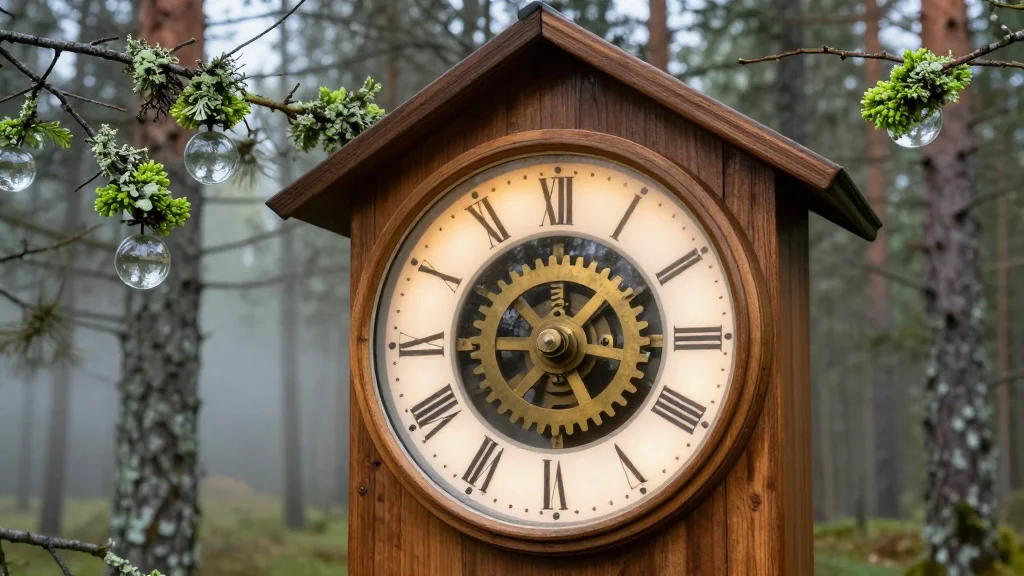
An Installation in Nature Has Climate Lessons for Humans
Why It Matters
The installation turns a public space into a real‑time climate indicator, raising awareness while positioning Oulu as a hub for sustainable cultural tourism. It demonstrates how art can translate complex environmental data into an accessible, community‑focused experience.
Key Takeaways
- •‘Climate Clock’ spans Oulu’s city center to surrounding forests.
- •Ten artists collaborate on the installation, opening June 13, 2026.
- •Lichen serves as a living bio‑indicator of ecosystem health.
- •Public art links climate science with community engagement.
- •European Capital of Culture spotlight amplifies Oulu’s sustainability agenda.
Pulse Analysis
Oulu’s selection as the 2026 European Capital of Culture provides a strategic platform for innovative public‑art projects that blend creativity with climate advocacy. "Climate Clock" leverages the city’s natural landscape, turning a forest trail into an immersive exhibition that draws both locals and international visitors. By situating the work along a high‑traffic corridor, the installation maximizes exposure, reinforcing Oulu’s brand as a forward‑thinking, environmentally conscious destination and creating new revenue streams for hospitality and cultural sectors.
At the heart of the project is lichen, a symbiotic organism long used by ecologists as a bio‑indicator of air quality and ecosystem health. Antti Laitinen’s approach—collecting diverse species from across Finland and arranging them on branch‑crafted spheres—allows the lichen to react autonomously to temperature, moisture, and pollution levels. This living display offers a tangible, visual metric of climate impact, translating scientific data into an intuitive experience for visitors. The integration of mechanical elements and a barrel of snowflakes further underscores the fragility and dynamism of northern ecosystems.
From a business perspective, "Climate Clock" exemplifies how cultural programming can align with sustainability goals to attract investment and tourism. The project’s timing, coinciding with the melting of winter snow, creates a seasonal narrative that can be leveraged in marketing campaigns and educational outreach. Moreover, the collaboration among ten artists and local authorities showcases a model for public‑private partnerships that can be replicated in other cities seeking to embed climate resilience into their cultural identities, ultimately driving economic growth while fostering environmental stewardship.
An Installation in Nature has Climate Lessons for Humans
Comments
Want to join the conversation?
Loading comments...