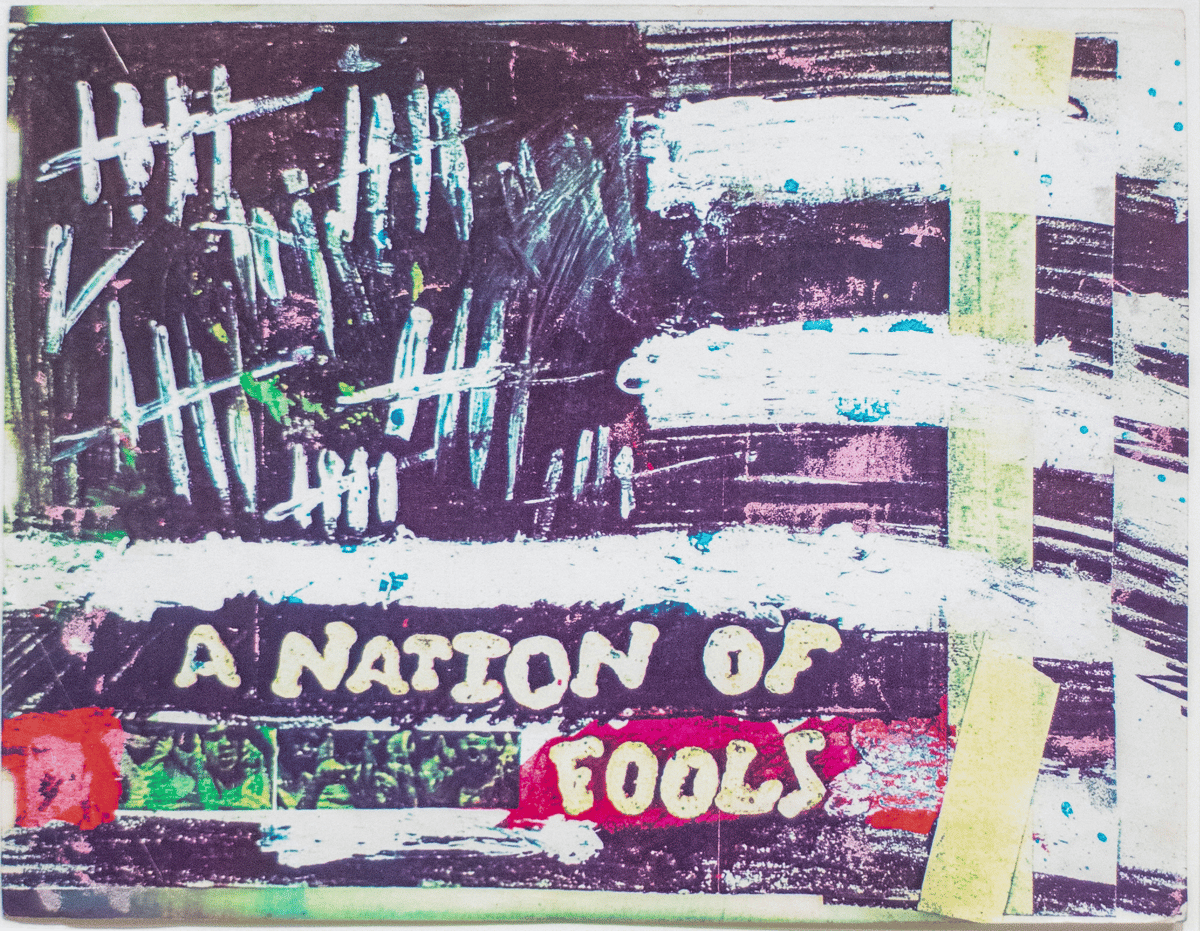
An Intimate Portrait of Basquiat’s Early Life Returns to Brooklyn
Companies Mentioned
Why It Matters
By spotlighting Basquiat’s formative years, the exhibition reshapes his narrative from market myth to personal humanity, offering scholars and collectors rare primary material. The initiative also strengthens Brooklyn’s cultural cachet during a peak art‑market week.
Key Takeaways
- •‘Our Friend, Jean’ returns to Brooklyn during Frieze Week May 16.
- •Exhibition shows 20 early Basquiat works from 1979‑80 era.
- •Most pieces come from Alexis Adler’s personal collection of Basquiat memorabilia.
- •Smithsonian acquired its first Basquiat and over 100 Adler photographs.
- •Bishop Gallery plans a research center to preserve and expand the collection.
Pulse Analysis
Jean‑Michel Basquiat’s meteoric rise from street graffiti to global icon is well documented, yet the artist’s pre‑studio period remains under‑explored. The late 1970s, when he inhabited a modest 12th Street apartment with photographer Alexis Adler, produced a body of work that foreshadows his later symbolism and raw visual language. Scholars have long sought material that captures this transitional phase, because it reveals how Basquiat synthesized urban culture, jazz, and Afro‑Caribbean heritage before commercial success. The new exhibition arrives at a moment when museums and collectors are re‑evaluating the provenance and narrative surrounding his early output.
The Bishop Gallery’s “Our Friend, Jean” assembles twenty pieces—including drawings, mixed‑media paintings, and personal artifacts—directly from Adler’s archive. Among the highlights are the untitled flag painting, now in the Smithsonian’s National Museum of African American History and Culture, and a series of candid photographs taken during their shared tenancy. By juxtaposing these items with contributions from Basquiat’s contemporaries, the show offers a multidimensional portrait that balances artistic development with intimate daily life. The inclusion of previously unseen sweaters, postcards, and handwritten notes deepens the contextual framework for researchers and fans alike.
Beyond its scholarly value, the exhibition reinforces Brooklyn’s status as a crucible for contemporary art, especially as it coincides with Frieze Week, a period of heightened market activity. The gallery’s plan to establish the Bishop Arts & Research Center signals a commitment to long‑term stewardship, ensuring that the collection remains publicly accessible rather than disappearing into private hands. For the broader art market, the renewed focus on Basquiat’s early works may stimulate interest in comparable archival material, prompting institutions to reassess the cultural capital of provenance‑rich, pre‑celebrity pieces.
An Intimate Portrait of Basquiat’s Early Life Returns to Brooklyn
Comments
Want to join the conversation?
Loading comments...