Why It Matters
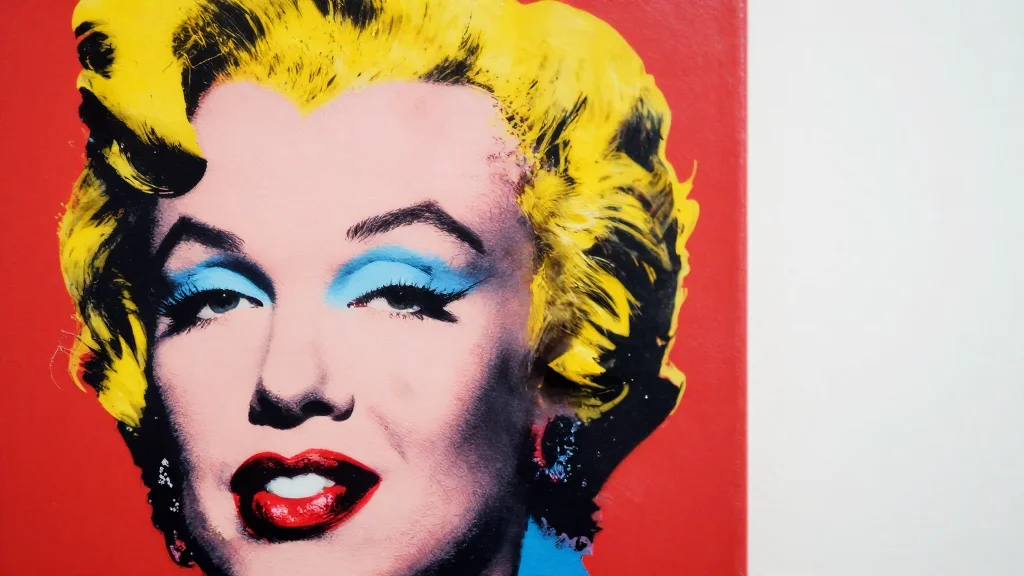
The Marilyn series transformed how pop art treats fame, linking artistic innovation with the modern art market’s appetite for iconic, high‑value works.
Key Takeaways
- •Warhol produced over 50 Marilyn silkscreens between 1962‑64
- •Silk‑screening gave each portrait slight variations, mimicking mass‑media noise
- •The 1964 “Shot Marilyns” were vandalized, then restored
- •A “Shot Sage Blue Marilyn” sold for $195 million in 2022
Pulse Analysis
When the New York Times announced Marilyn Monroe’s death in August 1962, a young Andy Warhol was poised to turn tragedy into a visual mantra. Already experimenting with repetitive motifs like Campbell’s Soup cans, Warhol adopted silk‑screening to mass‑produce images that echoed the era’s advertising machinery. By overlaying paint with a single publicity still, he created a series that both celebrated and critiqued the relentless churn of celebrity culture, positioning Monroe as a modern‑day icon caught in the glare of media consumption.
The technical quirks of Warhol’s process—misaligned screens, accidental blots, and subtle color shifts—infused each portrait with a sense of imperfection that mirrored the public’s fragmented perception of fame. This aesthetic tension reached a dramatic climax in 1964 when performance artist Dorothy Podber shot four of the large canvases, an act that transformed the works into literal artifacts of violence and vulnerability. The “Shot Marilyns” became emblematic of pop art’s ability to blur the line between creation and destruction, reinforcing Warhol’s commentary on how society devours and discards its idols.
Decades later, the market has validated Warhol’s vision. The 1964 “Shot Sage Blue Marilyn” sold for $195 million in May 2022, a record that underscores the enduring financial and cultural weight of the series. Such auction results highlight how Warhol’s blend of mass‑media aesthetics, celebrity mythos, and daring provenance continues to drive collector demand, cementing his work as a cornerstone of both art history and contemporary investment portfolios.
Andy Warhol’s Tribute to Marilyn Monroe
Comments
Want to join the conversation?
Loading comments...