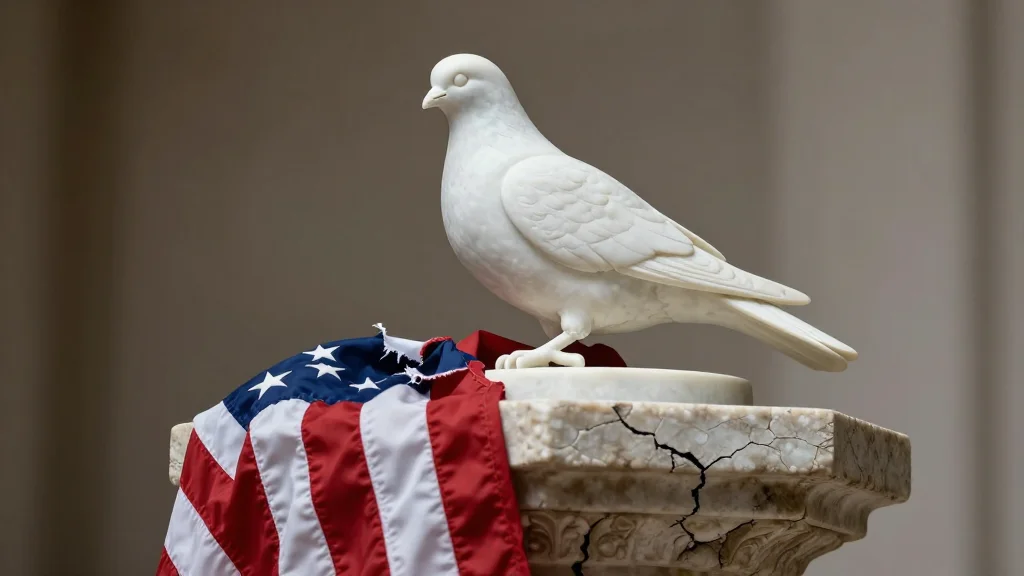
Anish Kapoor Condemns Inclusion of US in Venice Biennale
Why It Matters
The dispute highlights how geopolitical conflicts are increasingly shaping major cultural institutions, threatening funding streams and the Biennale’s reputation as a neutral artistic platform.
Key Takeaways
- •Kapoor calls for US exclusion from 2026 Venice Biennale
- •Jury resigned after refusing to consider Israel and Russia for top prize
- •EU plans to withdraw $2.3 million grant for Biennale 2028
- •Italian culture minister announces boycott of Biennale preview
- •Biennale organizers defend open participation, reject censorship
Pulse Analysis
The Venice Biennale, often described as the "Olympics of art," has long been a barometer for global cultural trends. This year’s edition, however, is being reframed by geopolitical fault lines as artists and curators leverage the platform to protest state actions they deem immoral. The resignation of the entire jury—prompted by the refusal to evaluate Israeli and Russian entries—underscores a growing willingness among cultural gatekeepers to prioritize ethical considerations over traditional curatorial autonomy.
Anish Kapoor’s outspoken condemnation of U.S. participation taps into his broader history of confronting American political power, from his legal threat against the Trump administration to his criticism of border‑patrol imagery at Chicago’s Cloud Gate. By labeling the United States as a warmonger, Kapoor aligns with a cohort of artists who view the Biennale as a stage for political accountability. Their open letter, demanding the exclusion of the U.S., Israel and Russia, reflects an emerging consensus that cultural prestige should not shield nations from scrutiny.
The fallout extends beyond rhetoric. The European Union’s decision to pull a $2.3 million grant earmarked for the 2028 Biennale signals that funding bodies are increasingly sensitive to the political optics of their sponsorships. Italy’s culture minister Alessandro Giuli’s boycott of the preview further isolates the event, raising questions about the viability of a truly inclusive, apolitical art exhibition. As the Biennale grapples with these pressures, its future may hinge on balancing artistic freedom with the moral expectations of a globally connected audience.
Anish Kapoor Condemns Inclusion of US in Venice Biennale
Comments
Want to join the conversation?
Loading comments...