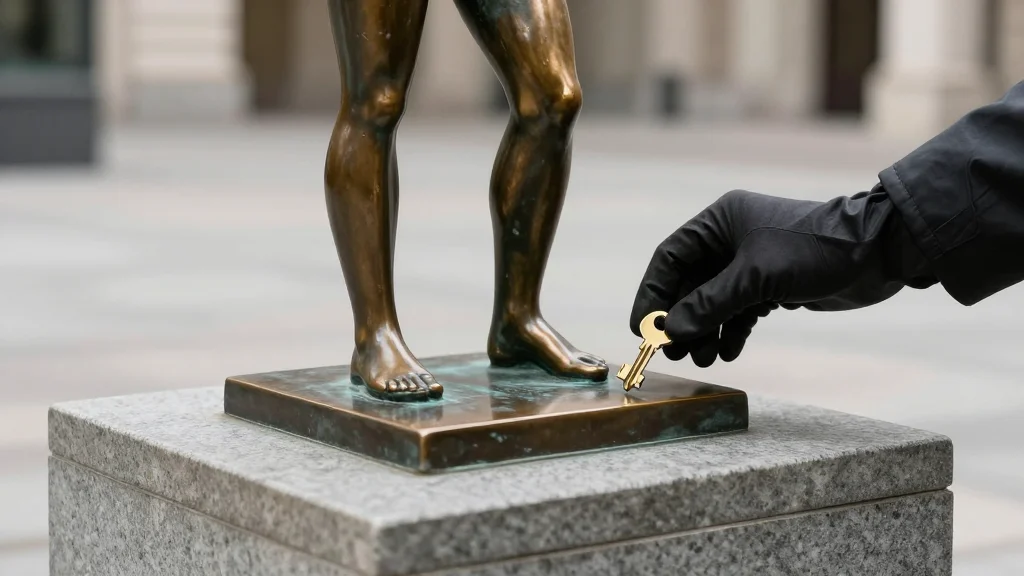
Antony Gormley Sculpture Quietly Removed and Sold Off by UK Council
Why It Matters
The sale highlights the tension between fiscal austerity and preserving public art, signaling how cash‑strapped local governments may monetize cultural heritage. It raises questions about the long‑term stewardship of publicly funded artworks.
Key Takeaways
- •Kent Council sold Gormley's "Two Stones" for undisclosed price
- •Sculpture valued at £859,000 (~$1.1 million) in council accounts
- •Sale aims to offset council deficit without raising local taxes
- •Critics warn selling public art erodes cultural assets
Pulse Analysis
The decision by Kent County Council to part with Antony Gormley's "Two Stones" underscores a growing trend where financially strained municipalities turn to cultural assets for quick liquidity. While the council frames the transaction as a pragmatic response to a multi‑year budget shortfall, the lack of transparency around the sale price fuels public skepticism. By leveraging a work valued at roughly $1.1 million, officials hope to shore up the balance sheet without imposing additional tax burdens on residents, a politically sensitive move in a region where fiscal conservatism dominates local discourse.
Beyond the immediate cash infusion, the sale raises broader concerns about the stewardship of publicly owned art. Critics, including leaders from the Contemporary Visual Arts Network, argue that disposing of iconic pieces erodes community identity and diminishes the educational role of public sculpture. The controversy mirrors previous council actions, such as the auction of a Tony Ray‑Jones print for about $900, suggesting a pattern of monetizing cultural collections rather than seeking alternative funding streams or partnerships. This approach risks setting a precedent where art becomes a contingency asset rather than a permanent public good.
For policymakers and cultural institutions, Kent's maneuver offers a cautionary tale about balancing fiscal responsibility with cultural preservation. While short‑term revenue gains are tangible, the long‑term cost may manifest in reduced tourism appeal, weakened civic pride, and a fragmented art ecosystem. Stakeholders are urged to explore more sustainable solutions—like public‑private collaborations, grant programs, or community fundraising—to protect artistic heritage while still addressing budgetary pressures. The debate in Kent may well shape how other UK councils navigate the intersection of economics and culture in the years ahead.
Antony Gormley sculpture quietly removed and sold off by UK council
Comments
Want to join the conversation?
Loading comments...