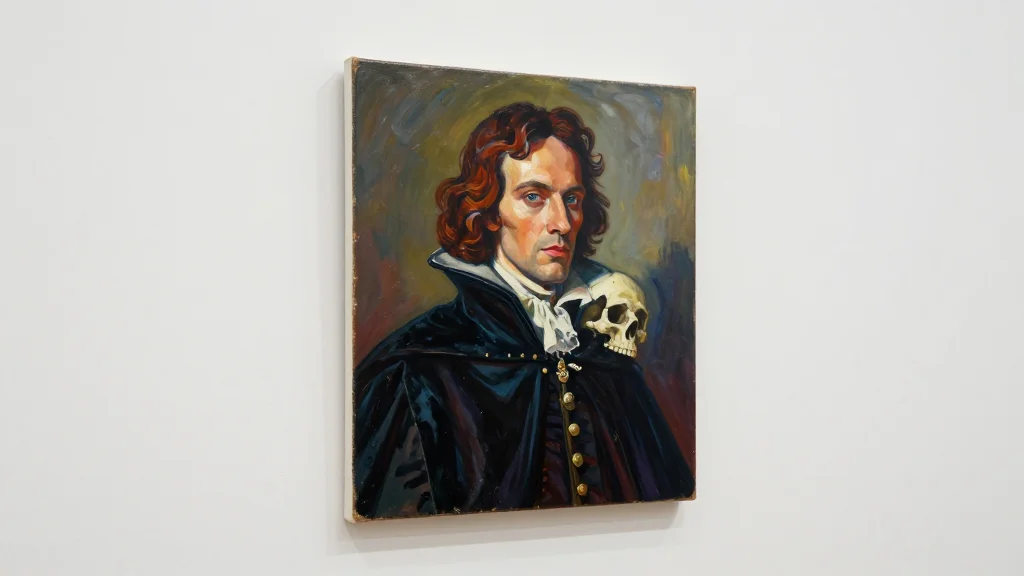
Archibald Prize 2026 Finalists Ditch Brown Suits for Bold, Genre‑defying Portraits

Why It Matters
The Archibald Prize is a cultural barometer for Australian portraiture; its shift away from the traditional brown‑suit aesthetic signals a broader redefinition of what constitutes a portrait in the 21st century. By embracing colour, experimental formats and theatrical narratives, the prize is encouraging artists to explore identity, representation and storytelling in ways that resonate with contemporary audiences. This evolution may also influence museum acquisition strategies, art‑market valuations, and the pedagogical approaches of art schools across the country. Furthermore, the change reflects a global trend where legacy institutions are reassessing historic visual vocabularies to stay relevant. As the Archibald embraces a more inclusive and experimental language, it could set a precedent for other national prizes, prompting a ripple effect that reshapes portraiture standards worldwide.
Key Takeaways
- •2026 Archibald Prize shortlist features 59 finalists with no traditional brown‑suit portraits.
- •Curator Beatrice Gralton describes the new works as “splashes of colour and a defiance of genre.”
- •Packing Room Prize goes to Sean Layh for a double‑portrait of actor Jacob Collins as Hamlet.
- •Several finalists present frameless canvases, challenging conventional portrait presentation.
- •The shift may influence gallery buying patterns and attract younger, more experimental audiences.
Pulse Analysis
The Archibald’s pivot mirrors a generational hand‑off in the art world, where the authority of the old guard is yielding to a cohort that values visual impact over formal restraint. Historically, the prize cemented a visual shorthand—men in brown suits—that signalled status and respectability. By discarding that shorthand, the 2026 finalists are redefining prestige itself, aligning portraiture with the visual language of street art, digital media and performance.
From a market perspective, the move could diversify the prize’s collector base. Investors who previously shied away from avant‑garde portraiture may now see a validated pathway to acquisition, given the Archibald’s institutional backing. Conversely, traditionalists may view the shift as a dilution of the prize’s heritage, potentially fracturing the audience. The tension between preservation and innovation will likely play out in auction results and museum programming over the next few years.
Looking ahead, the Archibald’s embrace of non‑framed, colour‑driven works could accelerate cross‑disciplinary collaborations, inviting designers, technologists and performance artists into the portrait arena. If the prize continues to champion such hybridity, it may become a launchpad for a new sub‑genre—‘post‑portraiture’—that blurs the boundaries between representation, abstraction and narrative experience, reshaping the future of portraiture both in Australia and abroad.
Archibald Prize 2026 finalists ditch brown suits for bold, genre‑defying portraits
Comments
Want to join the conversation?
Loading comments...