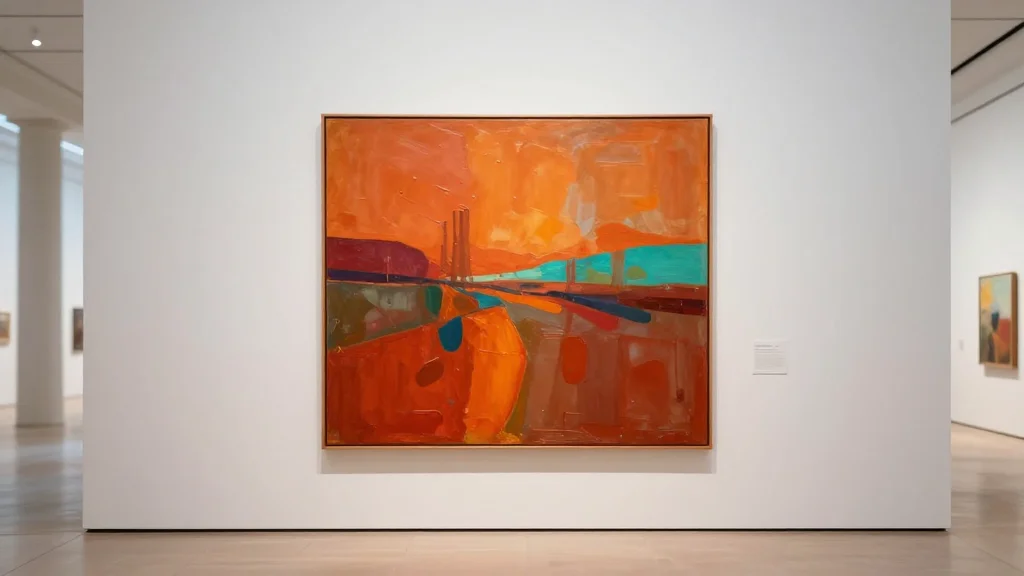
Arizona Biennial 2026 Opens at Tucson Museum of Art, Showcasing Statewide Talent

Why It Matters
Arizona Biennial 2026 provides a rare, statewide platform that aggregates the creative output of a geographically and culturally expansive region. By assembling artists from urban centers, desert towns, and Indigenous communities, the exhibition offers a microcosm of the broader shifts occurring in American contemporary art—namely, a move toward decentralization and a heightened focus on local narratives. The biennial also strengthens Tucson’s cultural tourism, drawing visitors who might otherwise bypass the Southwest in favor of coastal art hubs. Moreover, the involvement of Julie Rodrigues Widholm, a leading figure from a major West Coast museum, bridges regional and national art ecosystems. Her curatorial lens, shaped by a broader institutional perspective, lends the biennial credibility that can translate into increased market visibility for participating artists, potentially reshaping collecting patterns and gallery representation in the region.
Key Takeaways
- •Arizona Biennial 2026 opens May 22 at Tucson Museum of Art, runs through Sept 27
- •Curated by Julie Rodrigues Widholm, executive director of BAMPFA
- •Features 40+ artists across media, including BrassTuna, Sama Alshaibi, and Adia Jamille
- •Accompanied by public programs, workshops, and artist talks focusing on Southwest issues
- •Biennial aims to elevate Arizona’s art scene within the national biennial circuit
Pulse Analysis
The Arizona Biennial’s 2026 edition arrives at a moment when regional art institutions are leveraging biennials to punch above their weight in the national conversation. Historically, biennials have functioned as barometers of artistic trends, but they have also been critiqued for favoring metropolitan centers like New York or Los Angeles. By anchoring the show in Tucson and appointing a juror from a respected West Coast museum, TMA is effectively creating a conduit for cross‑regional dialogue. This strategy not only raises the profile of Arizona artists but also signals to collectors that the Southwest is a fertile ground for discovery.
From a market perspective, the biennial could catalyze a re‑evaluation of price baselines for artists who have previously sold primarily through local galleries. The presence of high‑visibility programming—talks, workshops, and a forthcoming catalogue—provides additional data points for dealers and auction houses assessing demand. If the biennial garners critical acclaim, we may see a ripple effect where larger institutions, such as the Museum of Modern Art or the Whitney, begin to scout Arizona talent more aggressively.
Looking ahead, the biennial’s success will likely influence how other Southwestern museums structure their own flagship events. Expect to see more collaborations with out‑of‑state curators, increased investment in digital exhibition tools, and a stronger emphasis on inclusive representation. In the long term, Arizona Biennial 2026 could become a template for how regional art ecosystems assert relevance on the national stage, reshaping the geography of contemporary art production and consumption.
Arizona Biennial 2026 Opens at Tucson Museum of Art, Showcasing Statewide Talent
Comments
Want to join the conversation?
Loading comments...