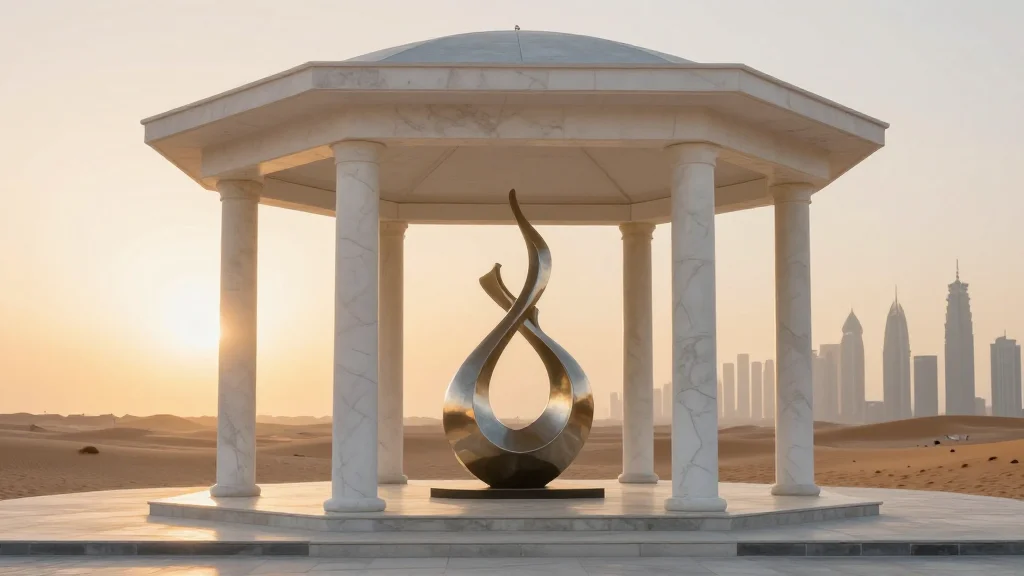
Art Basel Launches Qatar Fair and Overhauls Hong Kong Encounters Program

Companies Mentioned
Why It Matters
Art Basel’s entry into Qatar marks a decisive step in the globalization of the contemporary art market, bringing a premier European‑origin fair to a region that has rapidly built world‑class cultural institutions. The move not only offers Gulf collectors direct access to leading artists but also provides regional artists a platform on an international stage, potentially reshaping collecting patterns and dealer strategies. The reimagining of Hong Kong’s Encounters sector signals a shift toward curatorial experimentation within the fair context. By treating the fair floor as a unified exhibition, Art Basel challenges the traditional vendor‑centric model and may influence other fairs to adopt more narrative‑driven programming, thereby altering how large‑scale works are commissioned, displayed, and interpreted. Together, these developments illustrate how major fairs are leveraging geographic diversification and curatorial innovation to stay relevant in a market where collectors increasingly seek immersive, story‑rich experiences.
Key Takeaways
- •Art Basel launches its first Qatar edition, Feb. 5‑7, 2026, at M7 – Msheireb Cultural Forum and Doha Design District.
- •The Qatar fair features artists such as Marwan, Anicka Yi, Alex Katz, and Shirin Neshat, represented by leading galleries.
- •Encounters at Art Basel Hong Kong is restructured around four Asian philosophical elements—water, fire, earth, ether.
- •Curatorial team for Encounters includes Mami Kataoka (Mori Art Museum), Hirokazu Tokuyama (Mori), Isabella Tam (M+ Museum), and Alia Swastika (independent curator).
- •Both initiatives aim to broaden Art Basel’s global footprint and experiment with fair‑as‑exhibition models.
Pulse Analysis
Art Basel’s twin announcements reflect a strategic pivot toward market diversification and curatorial depth. The Qatar debut is less about immediate profit than about planting a long‑term foothold in a region where sovereign wealth funds and cultural ministries are actively shaping a nascent art ecosystem. By aligning with established local venues, the fair mitigates risk while signaling confidence in the Gulf’s appetite for high‑end contemporary art. This could prompt rival fairs—such as Frieze and FIAC—to accelerate their own Middle Eastern outreach, intensifying competition for gallery representation and sponsorship.
Meanwhile, the Encounters overhaul demonstrates an internal reckoning with the fair’s own format. By imposing a philosophical framework on the exhibition space, Art Basel is testing whether narrative cohesion can coexist with the commercial imperatives that drive dealer participation. If successful, this model may become a template for other sectors, encouraging fairs to curate experiences rather than merely aggregate booths. Such a shift could elevate the role of curators within the fair ecosystem, granting them greater influence over artist selection and presentation.
Looking ahead, the outcomes of these experiments will likely inform Art Basel’s next wave of expansion. Positive reception in Qatar could unlock further Middle Eastern editions, while a well‑received Encounters program may inspire similar thematic restructurings in Basel and Miami. Both moves underscore a broader industry trend: the blending of market dynamics with cultural programming to create events that are as much about storytelling as they are about sales.
Art Basel Launches Qatar Fair and Overhauls Hong Kong Encounters Program
Comments
Want to join the conversation?
Loading comments...