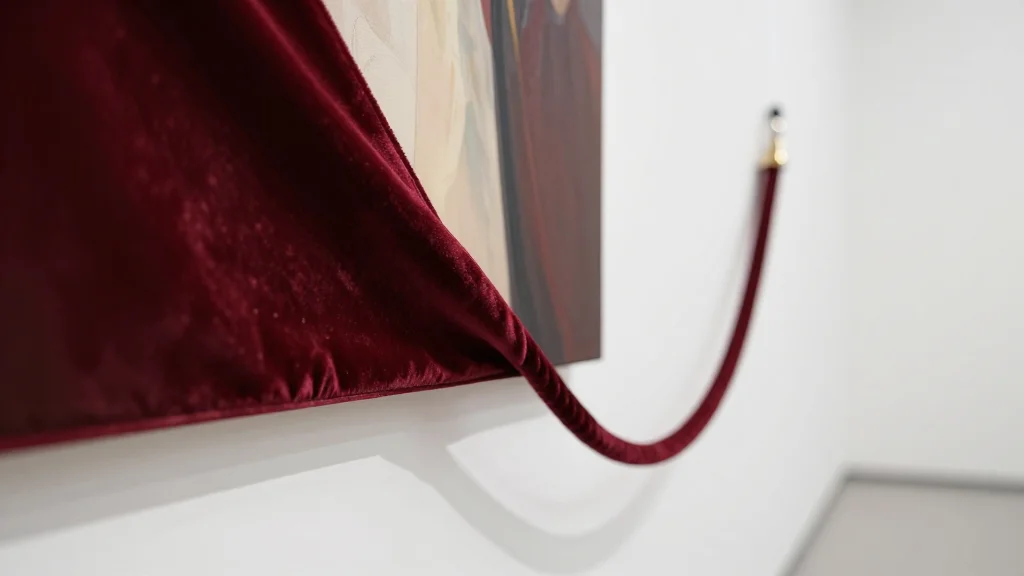
Art Basel Unveils ‘Basel Exclusive’ No‑Preview Policy for 2026 Fair

Why It Matters
The “Basel Exclusive” policy could redefine how major art fairs balance digital accessibility with the allure of in‑person discovery. By limiting previews, Art Basel is testing whether scarcity can reignite the high‑stakes atmosphere that once made opening days the focal point of market activity. If successful, other fairs may adopt similar tactics, reshaping the economics of preview platforms and potentially shifting collector behavior back toward physical attendance. Moreover, the initiative highlights a broader tension between established galleries seeking to protect marquee works and emerging dealers hoping for digital exposure. How the market reconciles these competing interests will influence the next generation of fair strategies and could affect pricing dynamics for both primary and secondary market pieces.
Key Takeaways
- •Nearly 200 of 232 main‑gallery exhibitors will withhold at least one work from digital previews.
- •The hidden works include blue‑chip artists like Basquiat and emerging talents such as Frieda Toranzo Jaeger.
- •Vincenzo de Bellis, Art Basel’s global director of fairs, framed the move as a counter to pandemic‑era digital sales.
- •Co‑founders Christine Berry and Martha Campbell said the policy offers a fresh way to engage collectors.
- •The initiative may prompt other major fairs to reconsider their own preview policies.
Pulse Analysis
Art Basel’s “Basel Exclusive” is a calculated risk that leverages scarcity to revive the physicality of the fair experience. Historically, the opening moments of Art Basel were the most coveted, with dealers staging surprise reveals that could set price benchmarks for the entire season. The pandemic eroded that dynamic, pushing buyers toward high‑resolution PDFs and virtual tours. By institutionalizing a no‑preview rule for a single work per gallery, Basel is re‑introducing the element of surprise that once drove foot traffic and, by extension, on‑site sales.
From a market perspective, the policy could benefit galleries with strong brand equity, allowing them to showcase a signature piece that commands attention without the dilution of online noise. However, smaller dealers may find the lack of digital exposure a hurdle, especially if they rely on online buzz to attract international collectors. The fair’s decision to keep participating galleries anonymous adds another layer of intrigue, potentially leveling the field by forcing collectors to explore the entire fair floor rather than gravitating toward known names.
If the experiment proves successful—measured by higher booth visitation, increased sales, and positive press coverage—it could spark a broader shift across the global fair circuit. Other marquee events, from Frieze to FIAC, may adopt similar no‑preview clauses, reshaping the role of digital platforms that have become integral to the art market’s infrastructure. Conversely, a lukewarm response could reinforce the permanence of digital previews, cementing the hybrid model that emerged during the pandemic. Either outcome will provide valuable data on how scarcity and surprise can be monetized in an increasingly digital world.
Art Basel Unveils ‘Basel Exclusive’ No‑Preview Policy for 2026 Fair
Comments
Want to join the conversation?
Loading comments...