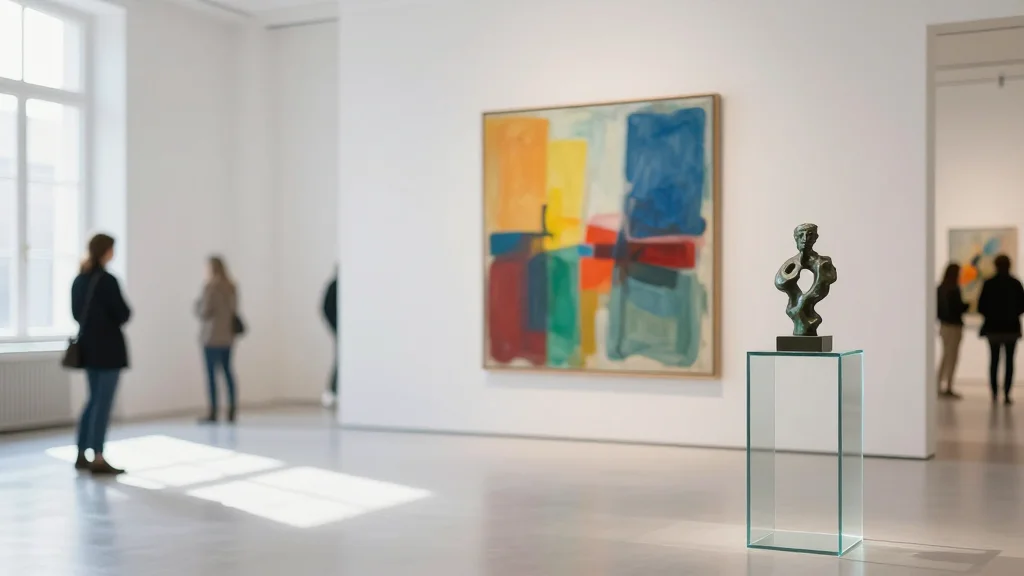
Art Brussels 42nd Edition Draws 139 Galleries, Marks Strong Market Rebound

Why It Matters
Art Brussels’ strong showing demonstrates that European art fairs can rebound quickly after pandemic‑induced contractions, offering a reliable platform for galleries to reach international collectors. The high proportion of returning galleries signals confidence in the market’s stability, while the emphasis on living artists and gender diversity reflects shifting curatorial priorities that could influence programming across the continent. The fair’s ability to attract younger buyers suggests a generational shift in purchasing power, potentially reshaping price dynamics and encouraging more experimental and digital‑native practices. As collectors increasingly seek experiences that blend spectacle with substance, fairs that invest in immersive installations—like Mabesoone’s entrance work—may set new standards for audience engagement.
Key Takeaways
- •139 galleries from 26 countries participated, 65% returning
- •More than 500 artists exhibited, majority living and many women
- •Prime section hosted 83 galleries, the largest segment of the fair
- •Organizers introduced a redesigned layout for a slower, clearer visitor journey
- •Returning exhibitors highlighted Brussels as a strategic meeting point for collectors
Pulse Analysis
Art Brussels’ 2026 edition illustrates a broader recalibration of the European fair ecosystem. After a period of contraction, the fair leveraged a curated mix of legacy institutions and emerging spaces to rebuild confidence. The 65% return rate is a quantitative barometer of that trust, suggesting that galleries view Brussels not merely as a regional stop but as a hub capable of delivering meaningful sales and networking opportunities.
The emphasis on living artists and gender balance aligns with a global push toward more inclusive representation. By foregrounding these metrics, the fair differentiates itself from competitors that still lean heavily on historical canon. This strategy may attract a younger, more socially conscious collector base, which is already evident in the reported sales to younger buyers. The presence of immersive installations at the entrance also signals a shift toward experiential consumption, where the fair experience itself becomes part of the artwork.
Looking ahead, Art Brussels’ success could catalyze a ripple effect across neighboring fairs in Paris, London and Berlin. If the model of a redesigned, slower‑pace layout coupled with a strong emphasis on contemporary, diverse voices proves profitable, other organizers may adopt similar tactics to capture the attention of a fragmented, experience‑driven market. The next edition will test whether this momentum can sustain higher attendance figures and translate into higher secondary market activity, setting a benchmark for post‑pandemic recovery in the art world.
Art Brussels 42nd Edition Draws 139 Galleries, Marks Strong Market Rebound
Comments
Want to join the conversation?
Loading comments...