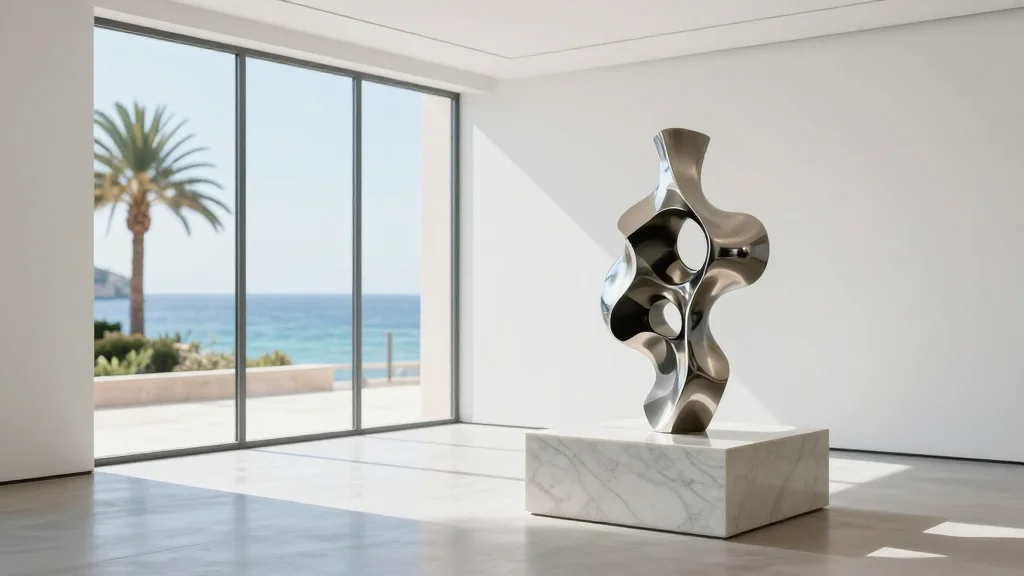
Art Cologne Heads to the Beach with Revived Mallorca Edition
Why It Matters
The revival signals Mallorca’s emergence as a credible European art‑fair destination, expanding market access for galleries and collectors beyond traditional German and French hubs. It also showcases how tourism‑driven economies can diversify into high‑value cultural offerings.
Key Takeaways
- •Art Cologne revives Mallorca edition after 15-year hiatus
- •88 galleries show, 32 Spanish, 26 German, others international
- •New generation of local galleries drives island’s art ecosystem
- •Fair splits into classic Gran Saló and experimental Parkour sections
- •Mallorca’s luxury tourism and German visitor base boost fair viability
Pulse Analysis
Art Cologne, the world’s longest‑running art fair, is leveraging its storied brand to re‑enter the Spanish market after a 15‑year gap. The original 2007 foray faltered when the island’s gallery ecosystem was still nascent, but today the fair’s director Daniel Hug sees a mature, internationally connected scene ready for a high‑profile platform. By anchoring the event at Palma’s Palau de Congressos, the organizers blend the fair’s German roots with a Mediterranean flair, positioning the edition as a bridge between Central European collectors and Southern European creators.
Mallorca’s cultural renaissance has been fueled by a wave of younger galleries such as Galería Fermay, Florit Florit, and La Bibi + Reus, which now sit alongside established names like Baró Galeria and Kewenig. The island’s reputation as a luxury travel hotspot—particularly among German tourists who treat it as a de‑facto "17th state"—provides a ready audience of high‑net‑worth collectors. Easy three‑hour flights from major European cities, abundant boutique hotels, and pleasant April weather create a logistical sweet spot, allowing galleries to showcase work in a setting that blends leisure with serious market activity.
The dual‑format structure—Gran Saló’s conventional booths and the experimental Parkour area—reflects a broader industry shift toward experiential fair experiences. Collectors can engage with emerging talent in a more fluid environment, while established dealers benefit from the fair’s traditional layout. If the Mallorca edition succeeds, it could inspire other legacy fairs to explore secondary markets, further decentralizing Europe’s art‑fair circuit and offering new growth avenues for galleries seeking exposure beyond the established hubs of London, Paris, and Berlin.
Art Cologne heads to the beach with revived Mallorca edition
Comments
Want to join the conversation?
Loading comments...