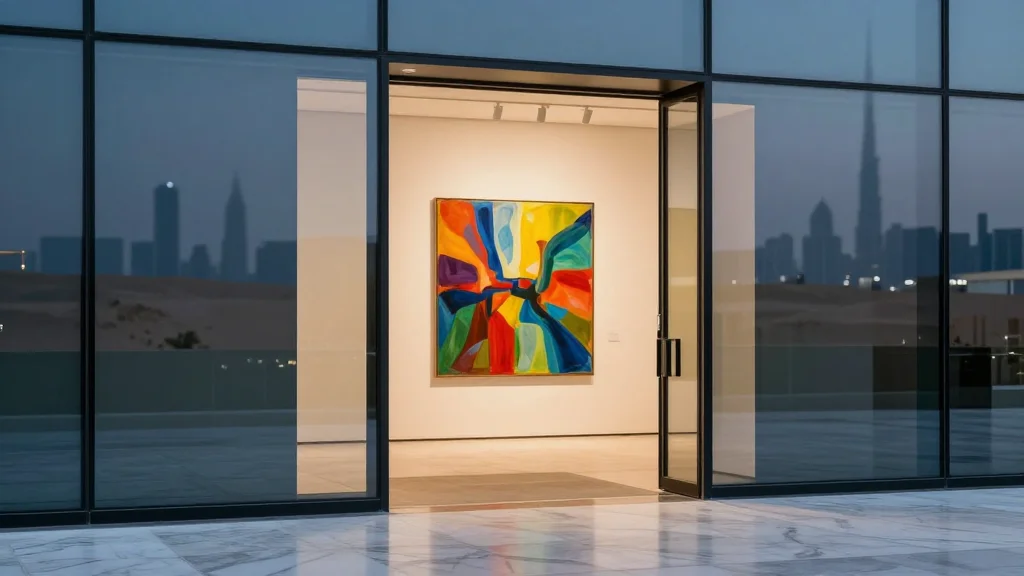
Art Dubai Unveils Updated Gallery List After Postponement, 50 Exhibitors Confirmed

Companies Mentioned
Why It Matters
Art Dubai is the leading platform for contemporary art in the Middle East, and its ability to reorganize after a regional conflict demonstrates the sector’s flexibility. The revised fee model could set a precedent for other fairs facing similar uncertainties, shifting risk from galleries to the fair itself. Moreover, the withdrawal of a sizable cohort of Indian and European galleries highlights how geopolitical events can reshape global art‑fair participation, potentially redistributing market share toward regional players. The enhanced non‑commercial partnerships also signal a strategic pivot toward cultural programming that can survive schedule disruptions. By aligning with institutions like the Sharjah Art Foundation and Art Jameel, Art Dubai reinforces its role as a cultural hub, not just a commercial marketplace, which may attract new sponsors and audiences in the long term.
Key Takeaways
- •Art Dubai 2026 rescheduled to May 15‑17 after postponement due to US‑Israel war in Iran
- •Fair will host 50 regional and international galleries, down from an expected 125
- •New fee structure waives stand costs, charging a sales‑percentage capped at the former fee
- •Around 75 galleries withdrew, including major Western and Indian participants
- •Non‑commercial partners such as Sharjah Art Foundation and Barjeel Art Foundation added to program
Pulse Analysis
Art Dubai’s rapid reconfiguration illustrates a broader trend in the global art‑fair ecosystem: the move toward more flexible, performance‑based business models. By eliminating upfront stand fees, the fair transfers financial risk to galleries, incentivizing them to bring sellable works while protecting the organizer from empty booths. This could become a template for fairs in volatile regions, where political or health crises can abruptly alter attendance.
Historically, Middle Eastern fairs have relied on a mix of regional representation and high‑profile Western galleries to attract collectors. The current withdrawal of many Western and Indian houses may accelerate a shift toward a more regionally anchored market, giving local galleries greater visibility and negotiating power. However, the loss of international dealers could also limit exposure for Middle Eastern artists seeking global collectors, potentially dampening cross‑border sales.
The bolstered non‑commercial collaborations suggest that cultural institutions are becoming essential allies for fairs navigating uncertainty. By embedding exhibitions and programs that are less dependent on sales, Art Dubai can maintain visitor interest and media coverage even if commercial participation fluctuates. This hybrid model—combining a leaner commercial floor with robust cultural programming—could define the next generation of art fairs, balancing financial sustainability with artistic relevance.
Art Dubai Unveils Updated Gallery List After Postponement, 50 Exhibitors Confirmed
Comments
Want to join the conversation?
Loading comments...