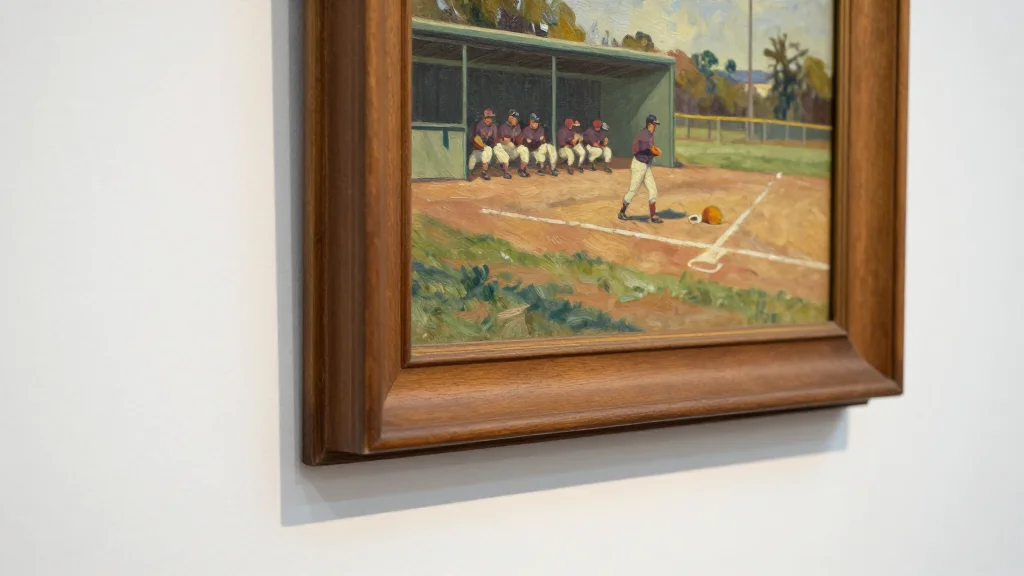
Art Institute of Chicago Secures First Norman Rockwell Painting, ‘The Dugout’

Why It Matters
The acquisition underscores a turning point for how major art institutions treat illustration, a genre historically relegated to commercial contexts. By placing Rockwell’s work alongside canonical fine‑art pieces, the Art Institute signals that cultural relevance and artistic merit can coexist, potentially reshaping acquisition strategies across the sector. For the illustration market, the purchase validates the monetary and scholarly value of works by artists like Rockwell, whose pieces have fetched high prices at auction. Collectors and estates may see increased demand, while museums could feel pressure to diversify their holdings to reflect broader American visual narratives.
Key Takeaways
- •The Art Institute of Chicago acquires Norman Rockwell’s 1948 oil ‘The Dugout’, its first Rockwell work.
- •The painting was donated by former Illinois governor Bruce Rauner and his wife Diana.
- •Curator Sarah Kelly Oehler emphasized the piece’s cultural significance and its fit within American art narratives.
- •Cubs executive Tom Ricketts linked the acquisition to the team’s 150‑year anniversary.
- •The move reflects a growing museum trend to integrate illustration into fine‑art collections.
Pulse Analysis
The AIC’s purchase of ‘The Dugout’ arrives at a moment when the boundaries between fine art and illustration are increasingly porous. Historically, institutions have been reluctant to acquire works tied to mass‑media production, fearing they would compromise scholarly rigor. Yet the commercial success of illustration at auction houses—Rockwell’s pieces regularly achieving seven‑figure sums—has forced a reassessment of what constitutes cultural capital. By securing a high‑profile illustration, the Institute not only diversifies its collection but also taps into a broader audience base that recognizes Rockwell’s name from everyday life.
From a strategic perspective, the acquisition leverages donor relationships. The Rauners, long‑time patrons of Chicago’s cultural scene, likely saw the donation as a legacy project that aligns with civic pride and the Cubs’ anniversary. This synergy between donor intent and institutional narrative can serve as a model for other museums seeking to attract high‑value gifts that also enhance public relevance. However, curators must navigate the risk of over‑reliance on popular appeal, ensuring that scholarly interpretation remains at the forefront.
Looking ahead, the AIC’s decision may catalyze a ripple effect: more museums could pursue illustration works, prompting auction houses to adjust pricing strategies and estates to market their holdings more aggressively. The key challenge will be maintaining a balance between celebrating popular culture and preserving the critical discourse that underpins museum missions. If managed well, this integration could broaden the definition of American art for future generations.
Art Institute of Chicago Secures First Norman Rockwell Painting, ‘The Dugout’
Comments
Want to join the conversation?
Loading comments...