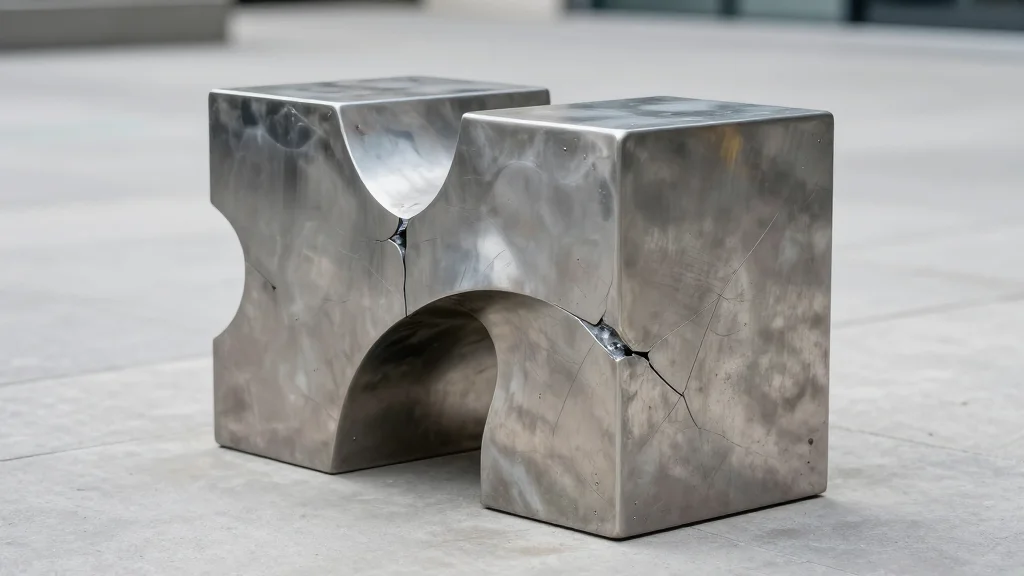
Artist Kat Dressler Condemns Vandalism of 'END ICE' Sculpture on Boston Common

Why It Matters
The vandalism of 'END ICE' spotlights the fragile equilibrium between artistic freedom and public order in an era of heightened political activism. When artworks become rallying points, they attract both admiration and hostility, testing the capacity of law enforcement and municipal agencies to protect cultural expression without stifling dissent. The incident also signals to artists that durability and contingency planning are becoming essential components of public commissions, potentially reshaping the creative process for works intended for contested spaces. Beyond the immediate damage, the episode may influence policy. Legislators could consider new statutes that classify vandalism of public art as a distinct offense, while funding bodies might demand security provisions as a condition of support. These shifts could alter the economics of public art, affecting which projects receive backing and how they are designed, ultimately redefining the role of art in civic discourse.
Key Takeaways
- •Kat Dressler's 'END ICE' sculpture was vandalized during the No Kings rally on Boston Common.
- •Dressler described the damage as an "unexpected form of engagement" but condemned the act.
- •Police delayed filing a report, prompting criticism of law enforcement's handling of protest‑related art damage.
- •Similar attacks on ice sculptures at prior rallies suggest a pattern of conflict over politically charged art.
- •The incident may lead to stricter protection measures and new legal frameworks for public artworks.
Pulse Analysis
The Boston Common incident underscores a broader shift in how public art is perceived in protest environments. Historically, murals and statues have served as static symbols; today, installations like 'END ICE' are deliberately interactive, designed to provoke and survive confrontation. This evolution forces cities to treat art as infrastructure, requiring maintenance budgets, security planning, and legal safeguards akin to public utilities.
From a market perspective, the risk of vandalism could deter private donors who fear their contributions will be defaced, potentially redirecting funds toward more controlled indoor venues. Conversely, artists who embrace the possibility of damage may attract a niche audience that values resilience and the narrative of conflict. The duality creates a new valuation metric: the artistic impact of a piece may now be measured not only by its aesthetic merit but also by its capacity to endure and spark dialogue under duress.
Looking ahead, municipalities are likely to draft clearer policies that delineate responsibilities between police, event organizers, and artists. These guidelines could include rapid‑response teams, insurance mandates, and community liaison programs to pre‑empt disputes. As the legal landscape adapts, we may see a rise in protective technologies—reinforced materials, anti‑graffiti coatings, and even digital monitoring—that preserve the integrity of politically charged works while respecting the democratic right to protest. The 'END ICE' case will serve as a reference point for future debates on the intersection of art, activism, and public safety.
Artist Kat Dressler Condemns Vandalism of 'END ICE' Sculpture on Boston Common
Comments
Want to join the conversation?
Loading comments...