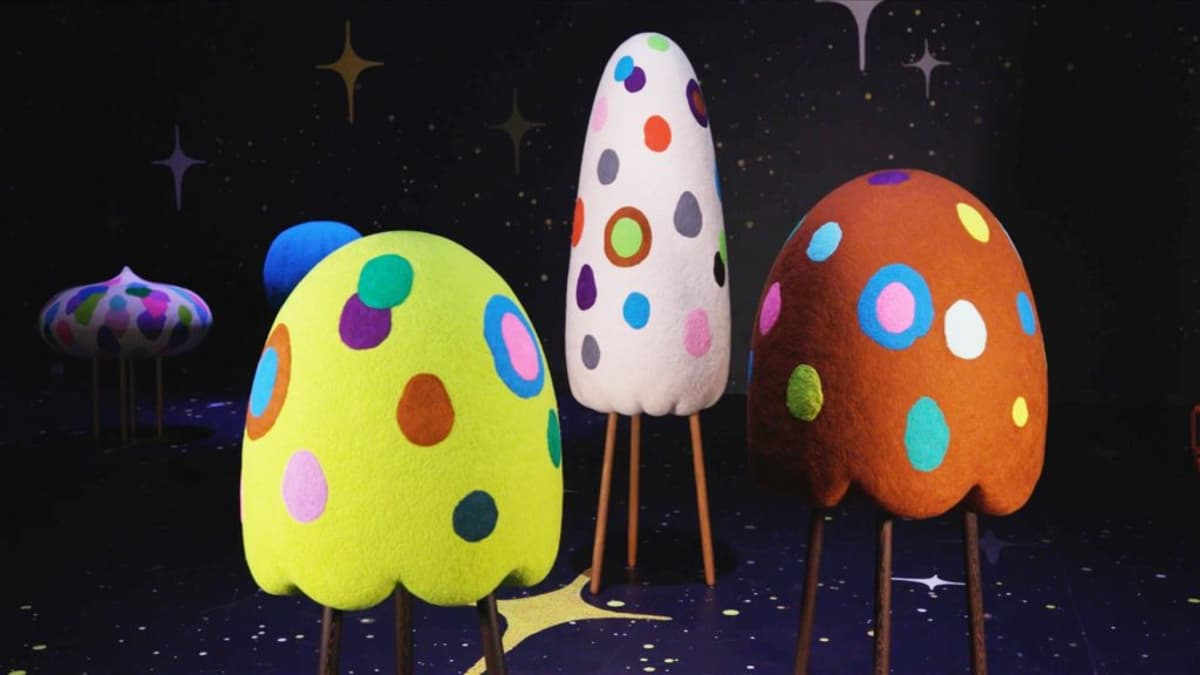
Artist Masako Miki Crafts Modern Take on Ancient Japanese Folklore
Why It Matters
The show demonstrates how contemporary art can bridge heritage and assimilation, offering museums a compelling narrative that attracts diverse audiences and supports inclusive programming.
Key Takeaways
- •Miki’s “Midnight March” reimagines 1,000‑year‑old yōkai as colorful, huggable sculptures.
- •Needle‑felting process is labor‑intensive, causing physical strain but fostering mindfulness.
- •Works comment on immigrant identity, blending Japanese folklore with American cultural assimilation.
- •Museum visitors respond positively, noting both aesthetic charm and deeper cultural narrative.
- •Exhibition underscores growing demand for inclusive, cross‑cultural storytelling in art institutions.
Pulse Analysis
Folklore is experiencing a renaissance in the global art market, as collectors and institutions seek stories that resonate across borders. By translating the ancient "Night Parade of One Hundred Demons" into a contemporary visual language, Masako Miki taps into a growing appetite for culturally rich narratives that can be monetized through limited‑edition prints, merchandise, and high‑profile museum loans. This strategic positioning not only elevates her personal brand but also signals to investors that heritage‑driven projects can generate sustainable revenue streams in an increasingly diversified consumer landscape.
Miki’s choice of needle‑felting—a craft historically associated with textile arts—adds a tactile dimension that appeals to both traditional art buyers and the burgeoning maker‑culture audience. The physically demanding process, which strains shoulders and arms, is framed as a meditative practice, enhancing the perceived authenticity of each piece. In a market where provenance and artist labor are premium factors, such handcrafted intensity can justify higher price points and attract patrons who value experiential depth over mass‑produced works.
For museums, the exhibition offers a blueprint for programming that aligns cultural relevance with financial performance. By spotlighting immigrant narratives and recontextualizing mythic figures, the show draws a broad demographic, increasing foot traffic and ancillary sales such as catalogs and gift‑shop items. Moreover, the inclusive storyline strengthens grant applications and corporate sponsorships aimed at diversity, equity, and inclusion initiatives, positioning institutions as forward‑thinking cultural leaders in a competitive arts ecosystem.
Artist Masako Miki crafts modern take on ancient Japanese folklore
Comments
Want to join the conversation?
Loading comments...