Why It Matters
The issue spotlights how major art exhibitions serve as arenas for geopolitical messaging and cultural resilience, informing collectors, curators, and policymakers about emerging narratives.
Key Takeaways
- •ArtReview explores art's limits amid global conflicts in its April-May issue.
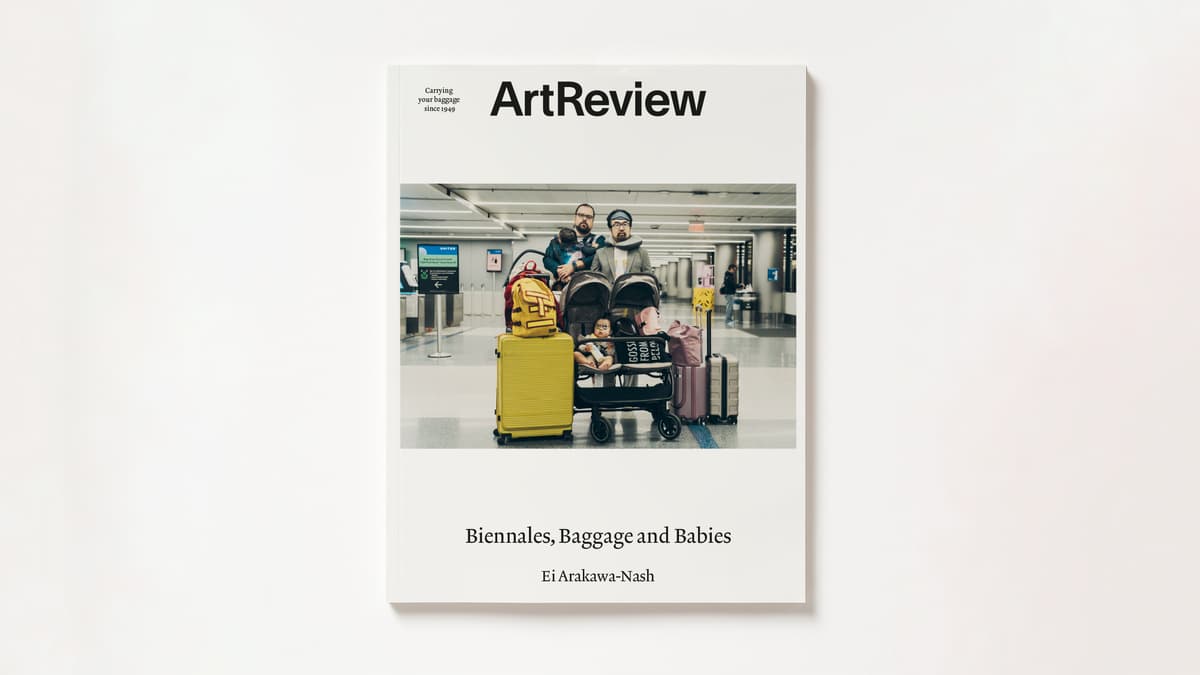
- •Ei Arakawa‑Nash's family performance anchors Japanese Pavilion at the 61st Venice Biennale.
- •Critics link Biennale pavilions to propaganda, soft power, and political tension.
- •Featured artists span Mongolia, Singapore, and US, highlighting diverse cultural narratives.
- •Issue reviews major biennials and essays on archives, resistance, appropriation.
Pulse Analysis
ArtReview’s latest double issue arrives at a moment when the art world is grappling with the dual pressures of creative ambition and geopolitical upheaval. By framing the 61st Venice Biennale as a litmus test for how institutions negotiate boundaries, the magazine positions the exhibition as more than a showcase—it becomes a barometer for cultural diplomacy. The cover portrait of Ei Arakawa‑Nash and his twins underscores a personal narrative that mirrors broader questions about parenthood, administration, and the unpredictable forces that shape artistic production.
Beyond the Venice spotlight, the issue curates a mosaic of voices that span continents and mediums. Mongolian artist Tuguldur Yondonjamts channels oral traditions into animistic performances, while Singapore’s Amanda Heng offers quieter, gender‑focused interventions. Critics such as Oliver Basciano remind readers that national pavilions have long functioned as soft‑power tools, a reality amplified by the contentious presence of Russian, Israeli, and American entries. Collaborative projects—like the planned Japanese‑Korean pavilion partnership—signal a growing appetite for cross‑border dialogue that challenges the traditional nation‑state framework of the Biennale.
For collectors, curators, and cultural strategists, the issue provides actionable insight into shifting market dynamics. Reviews of the Whitney, Sydney, and Shanghai biennials map emerging trends, from high‑definition archival installations to politically charged appropriation. Essays on art in war zones and the future of the archive highlight how resilience and documentation are becoming central to artistic value. By weaving together exhibition analysis, artist profiles, and critical essays, ArtReview equips its professional audience with a nuanced roadmap for navigating an increasingly politicized art ecosystem.
ArtReview April & May 2026 Issue Out Now
Comments
Want to join the conversation?
Loading comments...