At the Venice Biennale, Ukraine’s Pinchuk Art Centre Finds Fragile Moments of Joy Amid Loss
Why It Matters
The pavilion amplifies Ukraine’s narrative on a global stage, illustrating how cultural diplomacy and artistic expression can sustain national identity and draw international support during war. It also demonstrates the therapeutic role of art for veterans and displaced communities.
Key Takeaways
- •Third post‑invasion Biennale focuses on joy amid war
- •Veteran Hlib Stryzhko shares survivor stories through pink scrolls
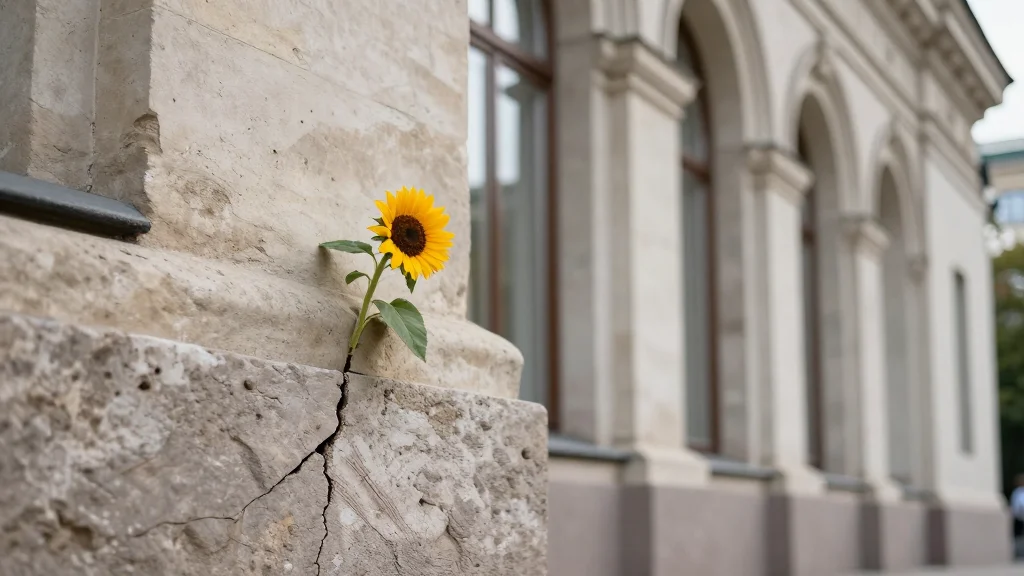
- •Ukrainian artists rescue plants, symbolizing endurance in rubble
- •International works stress that loss and joy are universal
Pulse Analysis
The Venice Biennale, one of the art world’s most prestigious platforms, has become a stage for Ukraine’s cultural resilience through the Pinchuk Art Centre. Until 2020 the centre’s pavilion was synonymous with high‑profile parties and a showcase of artists under 35, drawing celebrities such as Elton John. The Russian invasion in February 2022 forced a dramatic re‑orientation; the pavilion now serves as a critical response to the conflict, with President Volodymyr Zelensky headlining the 2022 opening. This evolution reflects how geopolitical upheaval can reshape artistic programming and amplify national narratives on a global audience.
The current exhibition, “Still Joy — From Ukraine into the World,” weaves together Ukrainian and international voices to explore how joy can survive extreme trauma. Veteran Hlib Stryzhko, a former marine who endured a massive explosion and captivity, curates soldier testimonies printed on glossy pink scrolls, turning personal loss into collective memory. Ukrainian photographer Zhanna Kadyrova’s light‑box series captures bomb‑scarred interiors where a single potted plant persists, a visual metaphor for endurance. Meanwhile, installations like Simone Post’s child‑inspired chandeliers and Ashfika Rahman’s bell sculpture broaden the dialogue, suggesting that grief and pleasure are not confined to any single nation.
Beyond its aesthetic impact, the pavilion functions as cultural diplomacy, keeping Ukraine’s story in the international spotlight and fostering solidarity among artists worldwide. By pairing local narratives with global contributors, the Biennale underscores the universal language of art in confronting war. The exhibition also highlights the therapeutic potential of creative expression for veterans and displaced citizens, offering a model for other institutions seeking to support conflict‑affected communities. As the Biennale draws millions of visitors, the Pinchuk Art Centre’s message of resilient joy reinforces the broader discourse on how art can both document and heal the wounds of war.
At the Venice Biennale, Ukraine’s Pinchuk Art Centre finds fragile moments of joy amid loss
Comments
Want to join the conversation?
Loading comments...