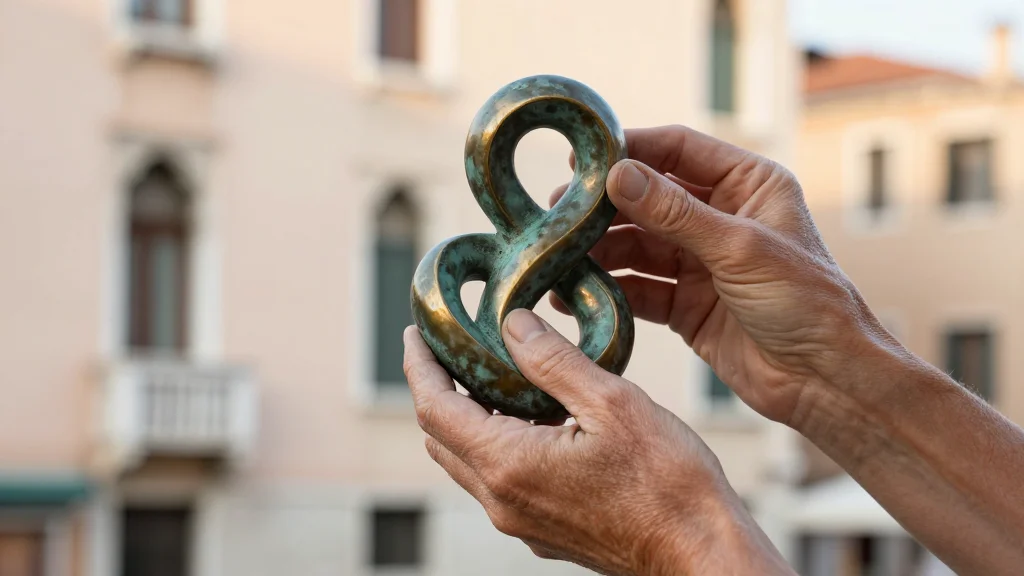
Barbara Chase-Riboud Speaks Out on Declining US Pavilion Spot
Why It Matters
The refusal underscores how political turbulence can jeopardize cultural diplomacy and pressure U.S. institutions to reassess opaque selection mechanisms. It signals growing artist activism against government‑driven cultural narratives.
Key Takeaways
- •Chase‑Riboud rejects US Pavilion amid geopolitical tensions
- •William Eggleston also declines, signaling broader artist dissent
- •Trump-era shift moved selection to State Department appointee
- •Jenni Parido, former pet‑food store owner, leads selection
- •Alma Allen named replacement, reflecting altered curatorial direction
Pulse Analysis
The Venice Biennale, often described as the "Olympics of art," offers nations a high‑profile stage to showcase contemporary creativity. Historically, the U.S. Pavilion has been curated by panels of curators, scholars, and artists appointed by the National Endowment for the Arts, ensuring a degree of peer review and artistic independence. Since the Trump administration redirected the selection authority to the State Department, the process has become more opaque, with appointments reflecting political loyalty rather than curatorial expertise. This shift has sparked debate about the role of government in cultural representation and the potential erosion of artistic credibility.
Barbara Chase‑Riboud’s decision to step away, echoed by William Eggleston, amplifies concerns that the pavilion is being weaponized amid geopolitical strife. Both artists framed their refusals as a moral stance, suggesting that participation could be interpreted as tacit endorsement of a U.S. foreign policy perceived as conflicted. Their public statements have resonated across the art world, prompting galleries, museums, and fellow creators to question whether cultural platforms should be insulated from political agendas or leveraged as tools of soft power.
Looking ahead, the controversy may compel policymakers to revisit the selection framework. Stakeholders are calling for a reinstated, transparent panel that balances artistic merit with diplomatic considerations, potentially restoring the NEA’s advisory role. Such reforms could re‑establish trust among artists and safeguard the Biennale’s reputation as a neutral arena for global dialogue. In an era where cultural capital increasingly influences international perception, the U.S. must navigate the fine line between showcasing talent and avoiding politicized optics.
Barbara Chase-Riboud Speaks Out on Declining US Pavilion Spot
Comments
Want to join the conversation?
Loading comments...