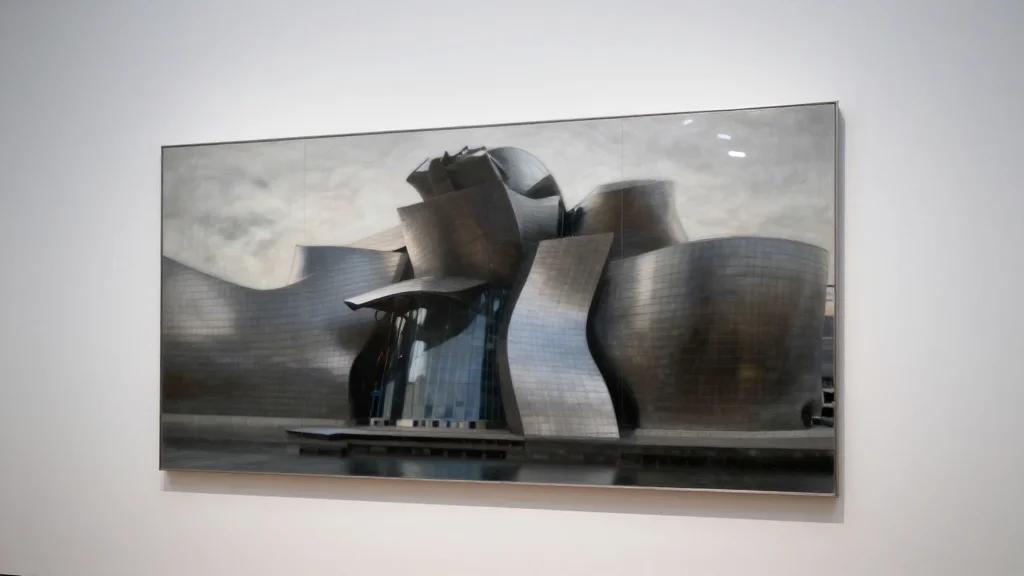
Basque Government Seeks First Loan of Picasso’s “Guernica” To Bilbao by 2026

Why It Matters
The proposed loan of “Guernica” intertwines cultural memory with contemporary politics, illustrating how iconic artworks can become instruments of regional identity and diplomatic outreach. A successful transfer would demonstrate that even the most protected masterpieces can serve as bridges between divided communities, potentially encouraging other institutions to reconsider rigid loan policies. At the same time, the controversy underscores the tension between political ambition and the ethical responsibility of museums to preserve fragile works. The outcome will influence future negotiations over high‑value loans, shaping how cultural institutions navigate the competing demands of public access, historical narrative, and conservation imperatives.
Key Takeaways
- •Basque government petitions for a loan of Picasso’s “Guernica” to Guggenheim Bilbao (Oct 2026‑Jun 2027).
- •First departure of the painting from Madrid’s Reina Sofía since 1992.
- •Imanol Pradales calls the exhibition a “formula for symbolic reparation and historical memory.”
- •Reina Sofía warns that moving the canvas is “strongly discouraged” due to conservation risks.
- •Decision pending from Spain’s Ministry of Culture; outcome could reshape European museum loan practices.
Pulse Analysis
The Guernica loan proposal arrives at a moment when European cultural institutions are reassessing the role of art in public diplomacy. Historically, Spain has guarded its most politically charged works, using them to signal national unity after the Franco era. By entertaining a Basque‑led request, Madrid may be signaling a willingness to acknowledge regional grievances, leveraging cultural heritage to ease longstanding tensions.
From a museum‑management perspective, the case forces a re‑evaluation of risk‑assessment frameworks. Transporting a canvas of Guernica’s size and age requires cutting‑edge climate control, vibration dampening, and security protocols that can cost millions. If the loan proceeds, it could set a new standard for collaborative conservation projects, encouraging institutions to pool resources for shared exhibitions. Conversely, a refusal would reinforce the status quo, preserving the painting’s stability but potentially missing an opportunity to engage broader audiences and generate revenue through high‑profile touring.
Looking ahead, the decision will likely influence how other iconic works—such as Van Gogh’s “Sunflowers” or Da Vinci’s “Annunciation”—are handled in cross‑border loan negotiations. Stakeholders will watch whether political imperatives can outweigh the conservators’ caution, a balance that could redefine the future of cultural exchange in Europe.
Basque Government Seeks First Loan of Picasso’s “Guernica” to Bilbao by 2026
Comments
Want to join the conversation?
Loading comments...