Why It Matters
Buchanan’s practice reframes how institutions address contested histories, offering a model where impermanence itself becomes a form of remembrance. Her work influences contemporary debates on monument removal, public art policy, and the role of African‑American narratives in the museum canon.
Key Takeaways
- •Buchanan’s “Marsh Ruins” use tabby concrete to echo historic slave sites.
- •Venice Biennale 2026 includes her documentation of outdoor anti‑monuments.
- •Retrospective tours Frac Lorraine, highlighting her land‑art legacy.
- •Works blend ancient mound forms with intentional erosion, challenging permanence.
- •Her practice informs contemporary debates on monument removal and memory.
Pulse Analysis
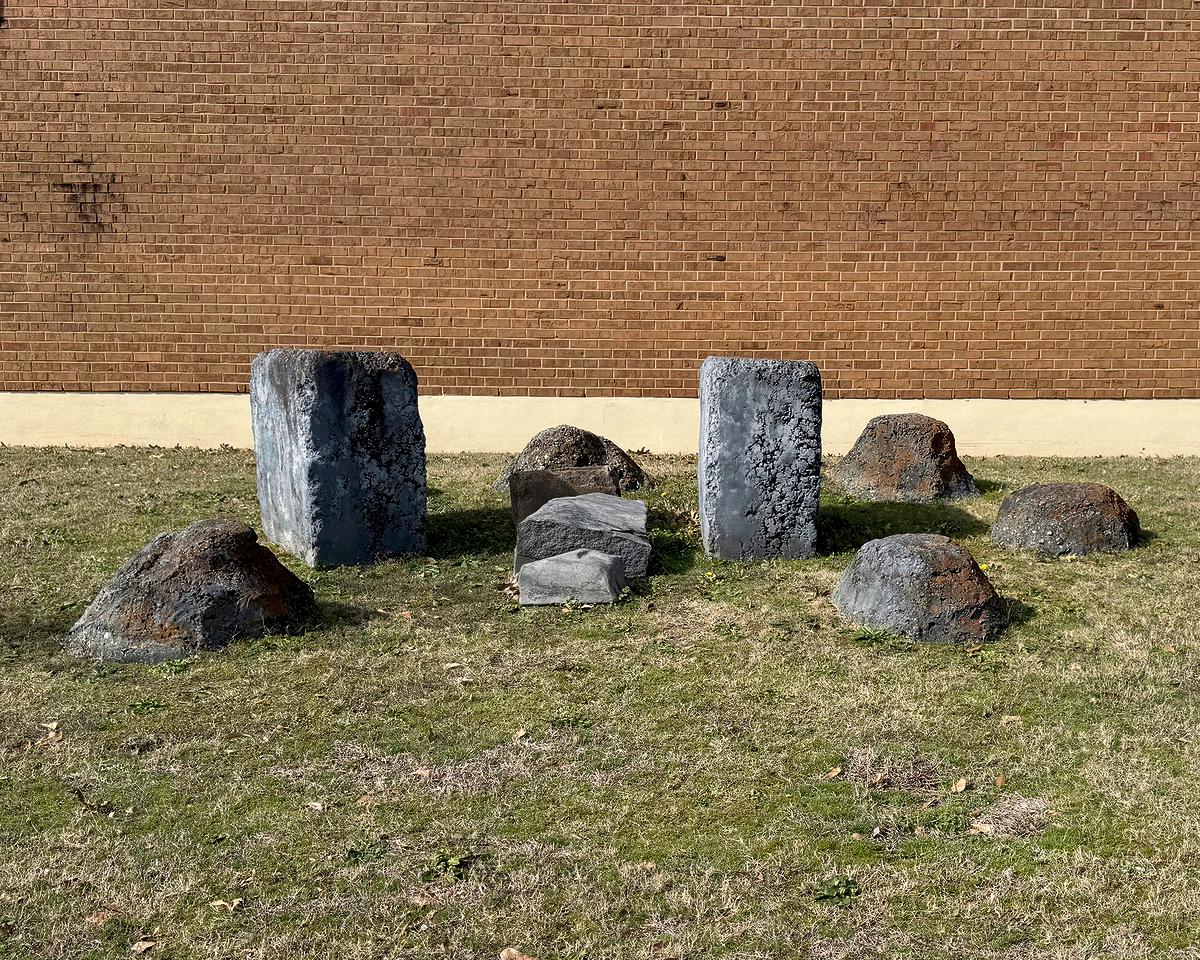
Beverly Buchanan, a Black, queer Southern artist, forged a unique visual language that merged land‑art aesthetics with a deep social conscience. By placing weathered concrete mounds in marshes and low‑income neighborhoods, she created silent markers that reference both the geological past and the erased histories of enslaved peoples. Her use of tabby—a material made from oyster shells—anchors the works in regional building traditions while allowing natural erosion to dismantle the sculptures over time, turning decay into a deliberate narrative device.
The artist’s resurgence on the global stage reflects a broader institutional shift toward inclusive histories. The 61st Venice Biennale’s "In Minor Keys" section showcases archival footage and photographs of Buchanan’s outdoor installations, positioning her alongside contemporary practitioners who question monumentality. Simultaneously, the touring retrospective at Frac Lorraine in Metz brings her Southern interventions to European audiences, prompting cross‑cultural dialogues about memory, landscape, and the politics of public space. Critics note that her understated pieces, such as Unity Stones in Macon, Georgia, function as community amenities, subtly redefining the role of public art beyond aesthetic spectacle.
Buchanan’s legacy resonates amid current debates over the removal of Confederate statues and other contentious monuments. Her philosophy—that ruination can serve as an act of repair—offers an alternative to outright demolition, suggesting that allowing structures to fade can surface suppressed narratives. As museums and city planners grapple with how to honor marginalized histories, Buchanan’s anti‑monuments provide a blueprint for integrating impermanence, regional materiality, and activist intent into future public art commissions.
Beverly Buchanan’s Anti-Monuments
Comments
Want to join the conversation?
Loading comments...