Why It Matters
Biennale Jogja remains a pivotal platform for Southeast Asian contemporary art, shaping regional cultural exchange and testing decolonial curatorial models. Its successes and shortcomings signal how emerging art events can balance global relevance with local engagement.
Key Takeaways
- •Biennale Jogja 18 splits into village immersion phase and conventional city phase
- •Theme *kawruh* seeks rooted, experiential knowledge beyond Western epistemology
- •Works like *Non-dual Mandala* and *Misafafahiyan* showcase multispecies and trans‑national transgender narratives
- •Logistical glitches and low local attendance limit the biennale’s community relevance
- •Despite flaws, *Menggali Cerita* offers politically charged, historically resonant art
Pulse Analysis
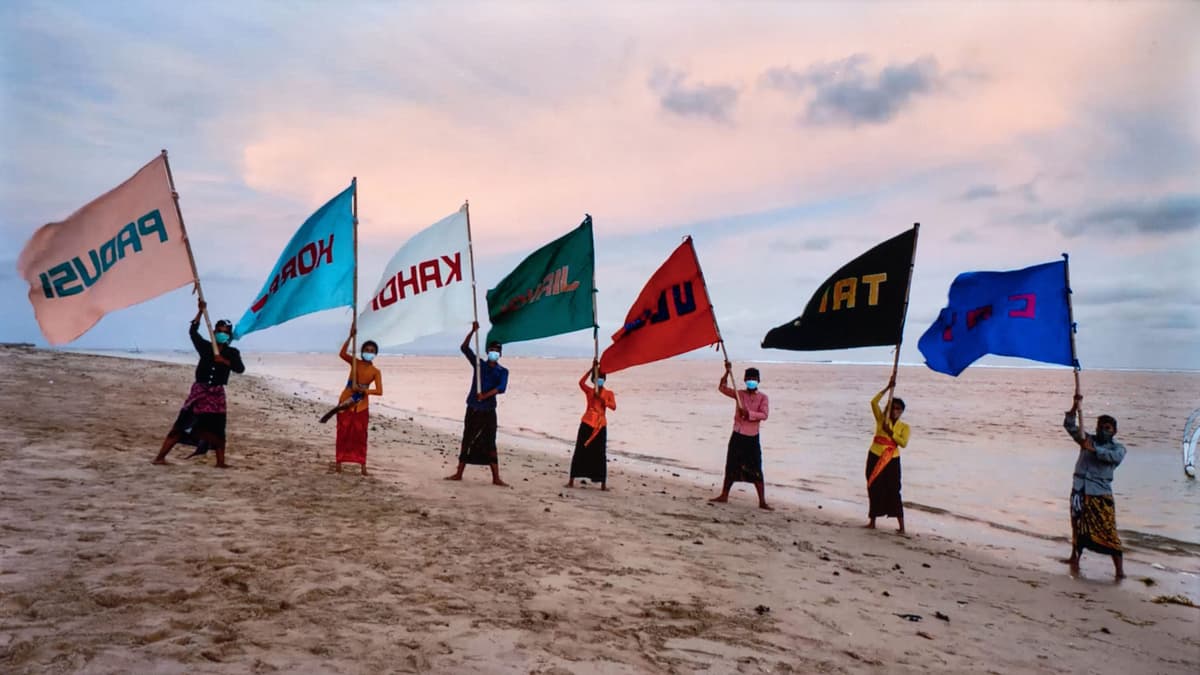
The 18th edition of Biennale Jogja builds on a legacy that began in 1988, positioning Yogyakarta as a hub for South‑South artistic dialogue. By anchoring the program in *kawruh*—a Javanese notion of knowledge cultivated through ritual, agriculture and oral tradition—the curators attempt to foreground embodied, non‑Western ways of knowing. The two‑phase structure, with an initial residency in the rural hamlet of Boro, encourages artists to embed themselves in local practices before presenting their work in a more conventional urban setting, reflecting a broader decolonial turn in contemporary exhibition making.
Among the most compelling works, Faisal Kamadobat’s *Piwulang Suwargi* fuses Islamic and Javanese mythologies in illuminated‑manuscript‑style panels, while Yuta Niwa’s *Non‑dual Mandala* juxtaposes sacred mountain imagery with a bustling banquet of anthropomorphic animals, embodying a multispecies worldview. Trans‑national gender narratives surface in Posak Jodian’s *Misafafahiyan*, which documents Indonesian and Taiwanese transgender performers navigating marginalisation. Imal Malabar’s *Menggali Cerita Lewat Garis* stands out for its haunting charcoal sketches of historical and anonymous figures, linking Indonesia’s anti‑colonial past to contemporary struggles for press freedom.
Despite artistic highlights, the biennale suffers from operational shortcomings: unfinished venues, malfunctioning video installations, and limited public outreach have relegated the event to a niche circuit of international art professionals. This disconnect raises questions about the sustainability of regional biennials that aspire to global relevance while serving local communities. For policymakers and cultural institutions, the experience underscores the need for robust logistical planning and inclusive programming if such events are to fulfill their promise as catalysts for cultural exchange and socio‑political dialogue.
Biennale Jogja 18 Review: Occasional Moments of Brilliance
Comments
Want to join the conversation?
Loading comments...