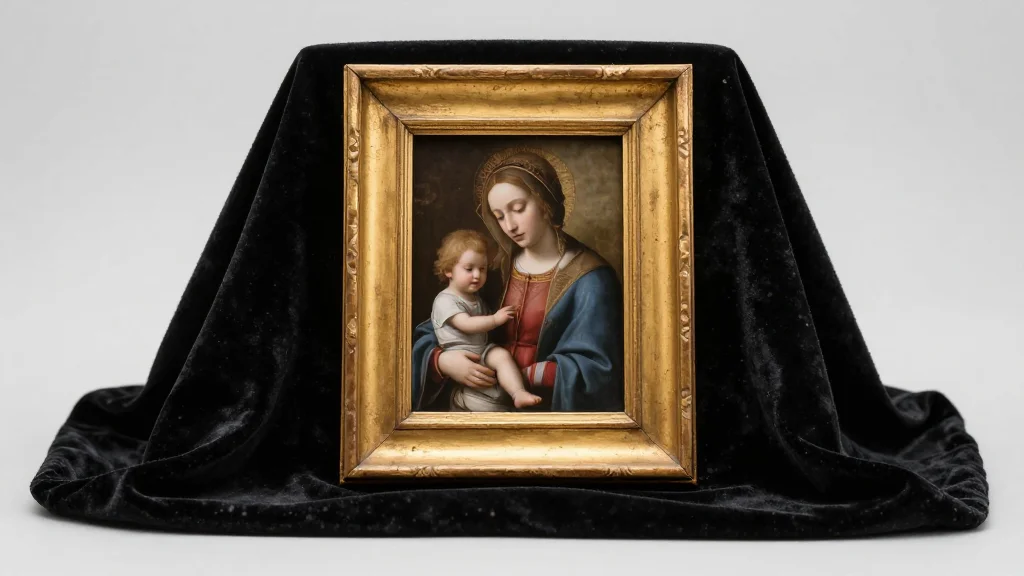
Botticelli Masterpiece Saved by Export Ban, Acquired by Klesch for Ashmolean Loan

Companies Mentioned

Why It Matters
The Botticelli case illustrates how export‑ban mechanisms can mobilise private capital to safeguard cultural heritage without immediate public purchase. It also spotlights the growing role of high‑net‑worth collectors in shaping museum collections, raising questions about long‑term stewardship and public access. As the UK grapples with budget constraints for acquiring masterpieces, partnerships like the Klesch loan may become a template for future heritage preservation. Moreover, the episode underscores the delicate balance between market dynamics and national identity. By keeping a work of Renaissance significance on British soil, the government reinforces cultural continuity, yet reliance on private loans may set a precedent that blurs the line between public trust and private ownership.
Key Takeaways
- •UK export ban enabled the Klesch Collection to purchase Botticelli for ~$13.9 million.
- •The painting will be loaned to the Ashmolean Museum for three years.
- •Valued at £10.2 million in May; previously sold for £9.7 million at Sotheby’s.
- •Ashmolean director Xa Sturgis praised the acquisition and public access.
- •The case revives debate over export‑ban efficacy and private‑collector involvement.
Pulse Analysis
The Botticelli transaction signals a pragmatic shift in how the UK protects its artistic patrimony. Rather than relying solely on state funds to acquire high‑value works, the export‑ban framework now leverages private wealth to meet heritage goals. This hybrid model reduces immediate fiscal pressure on public institutions while preserving public visibility, but it also introduces uncertainty about long‑term custodianship. If the Klesch loan is extended or converted into a permanent donation, the Ashmolean could secure a marquee Renaissance piece without a massive capital outlay, a win for both the museum and the public.
Historically, export bans have been controversial, sometimes prompting legal challenges or prompting sellers to withdraw works from the market altogether. The Klesch deal demonstrates that a well‑structured private acquisition can satisfy the ban’s intent without alienating collectors. However, the reliance on private benefactors may create a tiered system where only works attractive to wealthy patrons receive protection, potentially sidelining less marketable but culturally significant objects.
Looking ahead, the UK’s cultural policy may evolve to formalise loan‑to‑purchase pathways, offering tax incentives or matching funds to encourage private collectors to place works on long‑term public loan. Such mechanisms could balance fiscal realities with the public’s demand for access, ensuring that masterpieces like Botticelli’s Virgin and Child Enthroned remain part of the national narrative for generations.
Botticelli Masterpiece Saved by Export Ban, Acquired by Klesch for Ashmolean Loan
Comments
Want to join the conversation?
Loading comments...