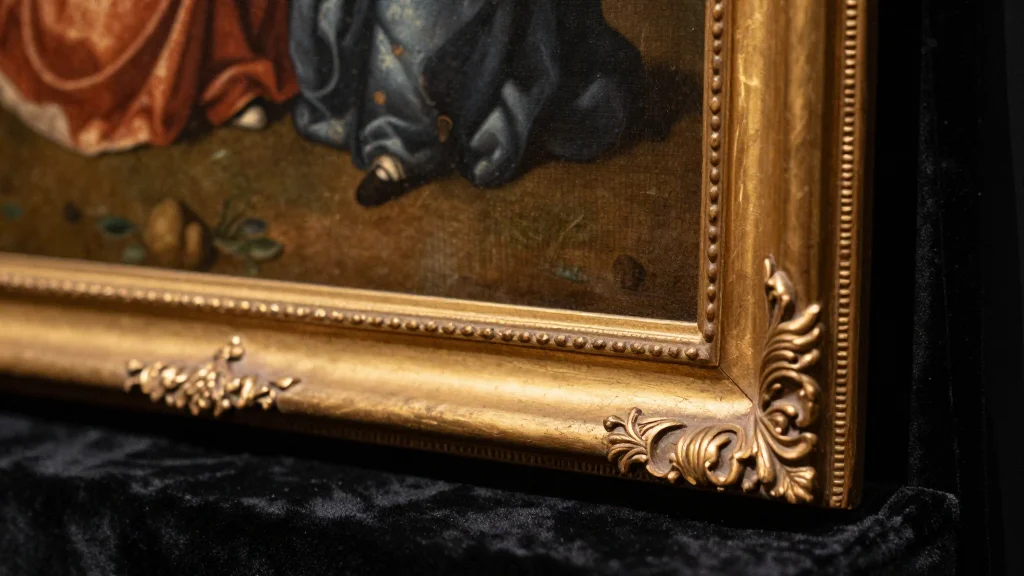
Botticelli Under UK Export Ban Purchased by Klesch Collection
Companies Mentioned
Why It Matters
The acquisition preserves a culturally significant Renaissance work for public audiences while highlighting the role of private collectors in supporting national heritage. It also underscores the effectiveness of UK export controls in retaining high‑value art domestically.
Key Takeaways
- •Klesch Collection buys Botticelli for £10.2 m (~$13 m)
- •Painting will be loaned to Ashmolean Museum for three years
- •UK export bar prevented the work from leaving the country
- •Recommended price £9.96 m plus reclaimable VAT of £272k
- •Klesch Collection also holds Caravaggio, Rubens, and Dou works
Pulse Analysis
The United Kingdom’s export licensing regime, administered by the Department for Culture, Media and Sport, serves as a gatekeeper for artworks deemed of national importance. By imposing a temporary bar on Botticelli’s *Virgin and Child Enthroned*, officials forced a market correction that aligned the sale price with the recommended £9.96 million valuation, ensuring the piece remained within public reach. This mechanism not only protects cultural heritage but also signals to collectors that high‑profile works will be scrutinized before crossing borders.
Private collectors like the Klesch Collection have become pivotal partners for museums, bridging funding gaps and expanding exhibition possibilities. Their decision to acquire the Botticelli and loan it to the Ashmolean for three years illustrates a growing model where ownership stays private while public access is guaranteed. Such arrangements enrich regional institutions, attract visitors, and foster scholarly research without the long‑term financial burden of outright purchase. The Klesch’s broader portfolio—including Caravaggio, Rubens, and a $7 million Gerrit Dou—demonstrates a strategic focus on European Old Masters that complements public collections.
From a market perspective, the transaction reaffirms the resilience of the high‑end Renaissance segment despite broader economic headwinds. The final sale price of £9.7 million (≈ $12.3 million) reflects robust demand for provenance‑rich works, while the export bar’s recommended price and VAT rebate illustrate how fiscal policy can influence final valuations. As more institutions rely on private‑public collaborations, we can expect similar interventions to shape future sales, preserving cultural assets while sustaining a vibrant, globally competitive art market.
Botticelli under UK export ban purchased by Klesch Collection
Comments
Want to join the conversation?
Loading comments...