Brazil’s ‘Comigo Ninguém Pode’ Pavilion Opens at Venice Biennale 2026

Why It Matters
The debut of *Comigo Ninguém Pode* at the Venice Biennale marks a watershed moment for Brazil’s cultural diplomacy, using art to confront and reinterpret colonial legacies on a global platform. By foregrounding the toxic yet protective symbolism of the Dieffenbachia plant, the exhibition challenges audiences to reconsider narratives of power, spirituality, and identity, potentially reshaping how Brazilian art is perceived internationally. Moreover, the pavilion’s focus on performative rewriting of history aligns with a wider movement in contemporary art that privileges marginalized voices and ecological consciousness, signaling a shift in curatorial priorities at major institutions. Beyond its symbolic weight, the pavilion could have tangible market implications. Both Rosana Paulino and Adriana Varejão have seen increasing demand from collectors; a high‑visibility Biennale showing may accelerate sales, museum acquisitions, and future commissions. The exhibition also sets a precedent for other national pavilions to adopt socially engaged themes, potentially influencing the programming strategies of future Biennales and other global art fairs.
Key Takeaways
- •Brazil’s national pavilion opened at the 2026 Venice Biennale under the title *Comigo Ninguém Pode*.
- •Artists Rosana Paulino and Adriana Varejão lead the exhibition, focusing on performative rewrites of colonial histories.
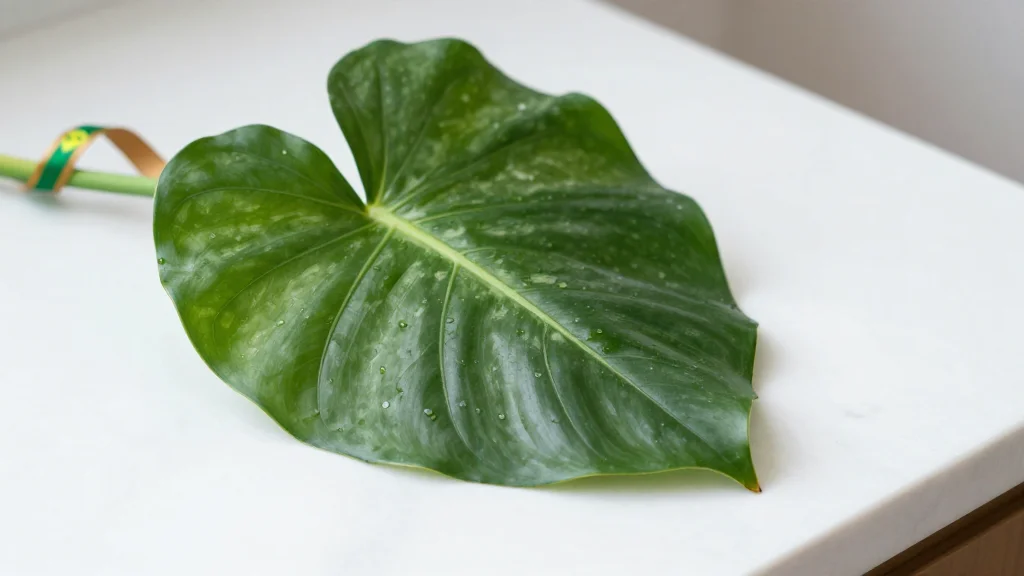
- •The Dieffenbachia plant’s symbolism—both protective and toxic—anchors the show’s exploration of spirituality and resistance.
- •Installation‑based approach includes large‑scale sculptures, historic works, and newly commissioned pieces.
- •The pavilion’s thematic boldness may boost market interest in Brazilian contemporary art and influence future Biennale programming.
Pulse Analysis
Brazil’s decision to foreground a confrontational, historically rooted exhibition at the Venice Biennale reflects a strategic use of soft power. By leveraging the global visibility of the Biennale, Brazil is not merely showcasing artistic talent but also positioning itself as a thought leader in post‑colonial discourse. This aligns with a broader trend where nations employ cultural institutions to shape international narratives, especially as geopolitical tensions push countries to seek influence beyond traditional diplomatic channels.
Historically, Brazil’s pavilions have oscillated between celebratory showcases of aesthetic innovation and more politically charged statements. *Comigo Ninguém Pode* marks a decisive turn toward the latter, echoing the success of earlier socially engaged projects such as the 2019 São Paulo Biennial’s focus on Afro‑Brazilian identity. The exhibition’s integration of mythic flora and performative interventions resonates with a global appetite for art that merges ecological concerns with cultural memory, a synergy that collectors and institutions are increasingly rewarding.
Looking ahead, the pavilion’s impact will be measured by both critical reception and market response. If the exhibition garners strong reviews and drives sales for Paulino and Varejão, it could catalyze a wave of similar projects from other emerging economies seeking to assert their narratives at major art events. Conversely, if the thematic boldness is perceived as overly didactic, it may prompt a recalibration toward more subtle curatorial approaches. Either outcome will inform how national pavilions negotiate the balance between artistic expression and diplomatic messaging in the coming decade.
Brazil’s ‘Comigo Ninguém Pode’ Pavilion Opens at Venice Biennale 2026
Comments
Want to join the conversation?
Loading comments...